

Are you tired of finding twigs and feathers scattered around your porch or garden? When birds start building nests in unwanted places, it can cause damage and create a big mess.
But how do you stop them without harming these little creatures? You’re about to discover simple, effective ways to keep birds from making your space their home. Keep reading, and you’ll learn easy tips you can use right away to protect your property and enjoy peace of mind.
Why Birds Build Nests Near Homes
Birds often choose to build nests near homes because these locations offer safety, food, and shelter. Understanding why birds are attracted to your property can help you find better ways to discourage them without harm. Have you ever noticed how some spots around your house seem perfect for a bird’s nest? Let’s look at the reasons behind their choices.
Safe Shelter From Predators
Birds look for places where their eggs and chicks won’t be easily attacked. Your home’s eaves, vents, or window ledges can provide a secure hiding spot. These areas are often high and hard for cats or larger birds to reach.
Easy Access To Food Sources
Your garden, bird feeders, or compost piles offer a steady supply of food. Birds build nests close to these resources to save energy when feeding their young. Have you placed feeders or left food scraps outside? This might be inviting more birds than you realize.
Availability Of Building Materials
Twigs, leaves, and even human-made items like string or paper are found near homes. Birds use these materials to create strong nests. If your yard has plenty of these, it becomes an attractive nesting site.
Warmth And Shelter From Weather
Buildings provide warmth and protection from rain and wind. Nesting near your home helps birds keep their eggs and chicks safe from harsh weather. Do you notice nests under roof overhangs or inside porches? These spots offer a cozy microclimate.
Quiet And Low Disturbance Areas
Birds prefer places with minimal noise and human activity. If you have a quiet corner in your yard or an unused shed, it may seem like a peaceful nesting spot. Are you aware of quieter zones around your home that birds might be using?
Credit: www.callnorthwest.com
Common Nesting Spots To Watch
Birds can be surprisingly creative when choosing where to build their nests. Knowing their favorite spots helps you act before they settle in. Watch these common nesting areas carefully to stop unwanted nests early.
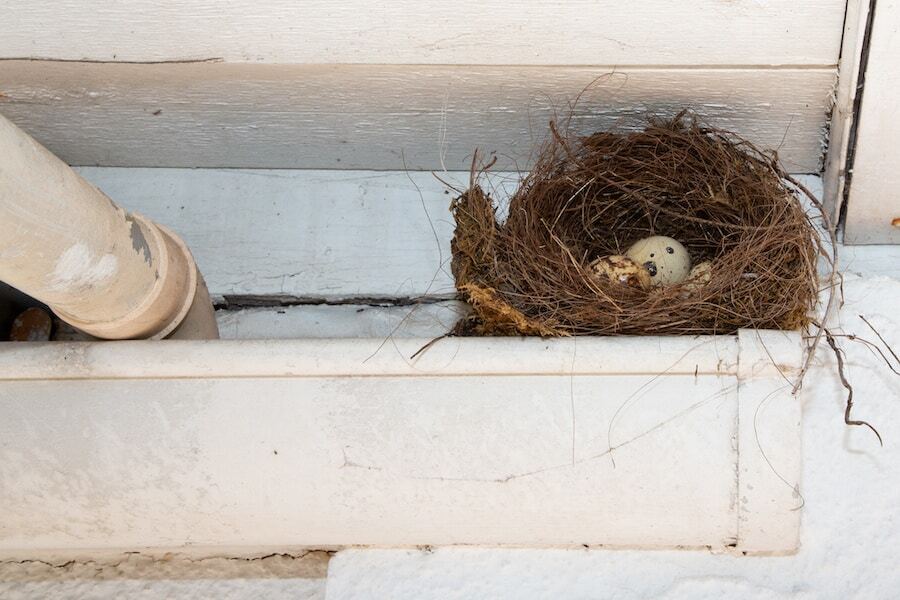
Under Eaves And Roof Overhangs
Birds like eaves because they offer shelter from rain and predators. These spots are usually high and hard to reach, making them perfect for nesting. Check these areas regularly, especially in spring, and remove any nesting materials you find.
In Gutters And Downspouts
Gutters collect twigs and leaves, which attract birds looking for a safe place. Nests here can block water flow and cause damage. Keep gutters clean and install mesh guards to prevent birds from entering.
On Window Ledges And Door Frames
Window ledges and door frames provide a flat surface that birds find ideal for building nests. They often choose spots close to human activity because predators are less likely to come near. Remove early signs of nesting and consider installing deterrents like shiny tape.
Inside Vents And Chimneys
Birds seek enclosed spaces like vents and chimneys for security. These areas also stay warm, which helps eggs hatch. Use vent covers or chimney caps to block access and check these spots before the nesting season starts.
In Shrubs And Bushes Near Your Home
Dense shrubs offer birds natural cover and protection. Nesting here can bring birds very close to your living space. Trim bushes regularly and remove any nests as soon as you spot them to discourage birds from settling in.
Have you noticed any unusual spots around your home where birds might start building? Watching these common areas closely can save you from dealing with established nests later.
Safe Deterrents To Keep Birds Away
Stopping birds from building nests can protect your property without harm. Safe deterrents help keep birds away gently and effectively. These methods avoid injury and respect nature while discouraging nesting.
Using safe deterrents creates an environment birds find unwelcoming. Birds will look elsewhere for a better spot. These solutions work well for gardens, balconies, and outdoor spaces.
Reflective Objects
Shiny surfaces confuse and scare birds. Reflective objects move with the wind, creating flashes of light. Common choices include:
- CDs or old DVDs hung from strings
- Reflective tape strips
- Mirrors angled to catch sunlight
These items disturb birds’ vision and make nesting less appealing.
Bird Spikes
Bird spikes block landing spots without causing harm. They are easy to install on ledges and rails. The spikes make surfaces uncomfortable but not painful. Birds quickly learn to avoid spiked areas.
Decoy Predators
Fake owls or hawks scare birds naturally. These decoys mimic real threats. Move them occasionally to keep birds cautious. Position decoys where birds try to nest most.
Ultrasonic Bird Repellers
Ultrasonic devices emit sounds birds dislike. These sounds are silent to humans. They discourage birds from settling nearby. Keep devices clean and place them correctly for best results.
Netting And Screens
Bird netting stops birds from reaching nesting spots. It acts as a physical barrier. Use fine mesh to prevent small birds from entering. Secure nets tightly to avoid gaps.

Credit: www.reddit.com
Preventive Measures For Long-term Control
Keeping birds from building nests around your home requires more than just quick fixes. Long-term control depends on preventive measures that discourage birds from settling in the first place. These strategies help maintain a bird-free zone without harming the animals or creating constant hassle for you.
Install Physical Barriers
Birds look for safe and cozy spots to build nests. You can make these spots inaccessible by adding physical barriers like bird spikes, netting, or mesh screens. These tools block common nesting areas such as ledges, vents, and gutters.
Think about where birds tried to nest before. Adding barriers early can prevent them from returning. You don’t have to cover every inch—focus on key spots they prefer.
Remove Attractive Nesting Materials
Birds gather twigs, leaves, and other soft materials to make their nests comfortable. If you remove these materials from your yard and surroundings, you reduce the chances of birds sticking around. Keep your outdoor space clear of debris and garden waste.
Ask yourself: what’s making my yard inviting to birds? Sometimes, a simple cleanup is all it takes to send a clear message. Keeping the area tidy discourages birds from settling in.
Use Visual And Sound Deterrents
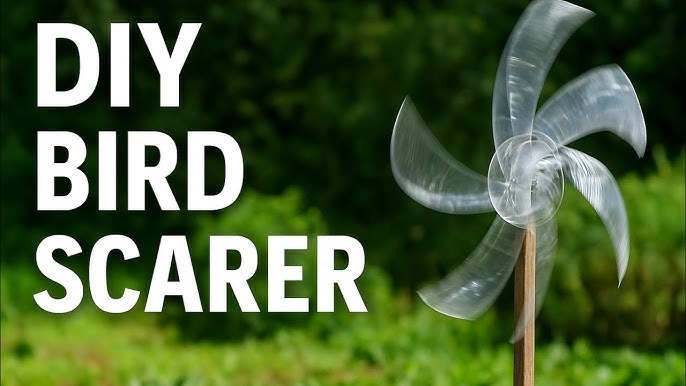
Birds can be startled by certain sights and sounds, which makes them avoid those areas. Reflective tapes, shiny objects, or decoy predators like fake owls can scare birds away. Similarly, sound devices emitting distress calls or predator noises can keep them at bay.
Remember, these deterrents work best when you change their position regularly. Birds get used to static setups quickly, so keep them guessing. How often do you think you should move these deterrents to stay effective?
Maintain Regular Outdoor Maintenance
Routine inspection and maintenance of your property can prevent birds from finding new nesting spots. Check gutters, vents, and eaves frequently, and remove any beginnings of nests immediately. This stops birds from investing time in building a home there.
Think of it like a habit: regular checks save you from bigger problems later. If you spot a nest early, you can gently remove it before it grows. Your consistent effort is your best defense.
Credit: www.youtube.com
Frequently Asked Questions
How Can I Prevent Birds From Nesting?
To prevent birds from nesting, remove nesting materials promptly. Use bird spikes or nets to deter them. Install reflective items or wind chimes to scare birds away. Ensure any potential nesting spots are sealed off or blocked. Regularly inspect and maintain these deterrents for effectiveness.
What Scents Repel Birds From Nesting?
Birds dislike strong scents like peppermint, garlic, and cinnamon. Use essential oils with these scents around potential nesting sites. Soak cotton balls in these oils and place them strategically. Replace them regularly to maintain their potency. This can discourage birds from settling in those areas.
Do Fake Predators Deter Nesting Birds?
Yes, fake predators like owls or hawks can deter birds from nesting. Place them in visible areas near potential nesting sites. Move them occasionally to maintain effectiveness. Combine with other deterrents for best results. Birds avoid areas they perceive as high-risk for predators.
Are There Legal Restrictions On Stopping Birds?
Yes, some birds are protected by law, like migratory species. Before taking action, check local wildlife regulations. Obtain necessary permits if required. Always use humane methods to deter birds. Consult local wildlife agencies for guidance to ensure compliance and protect bird populations.
Conclusion
Stopping birds from building nests takes patience and care. Use gentle methods to keep them away without harm. Check your property often to remove early nesting materials. Simple barriers or smells can discourage birds from settling. Protect your space while respecting nature’s needs.
Small steps make a big difference over time. Stay consistent and observe what works best. You can keep birds from nesting where you don’t want them. Keep your environment clean and safe for everyone.