
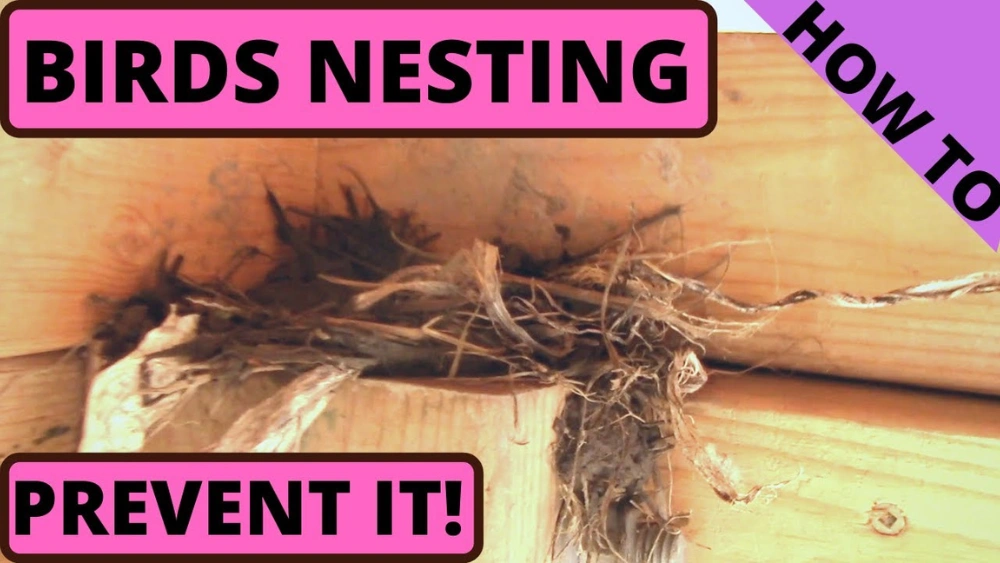
Are you tired of finding bird nests cluttering your porch every spring? Birds may seem charming, but their nests can cause mess, damage, and even attract unwanted pests.
You want to enjoy your outdoor space without worrying about cleaning up twigs and feathers all the time. The good news is, there are simple and effective ways to stop birds from building nests right where you don’t want them.
Keep reading, and you’ll discover easy tips that protect your porch while keeping birds at a safe distance—no harm done.

Credit: www.yahoo.com
Common Birds That Nest On Porches
Birds often choose porches for nesting because these spots offer shelter and safety. Understanding which birds are likely to build nests can help you prevent unwanted guests. Some birds prefer porches due to the quiet and protection they provide.
Knowing common porch-nesting birds helps you identify and address the problem early. Each bird species has different nesting habits and preferences. Awareness allows you to use the best prevention methods.
House Sparrows
House sparrows are small, social birds. They like to build nests in sheltered corners of porches. They use twigs, grass, and feathers for their nests. These birds are common in urban and suburban areas.
European Starlings
European starlings are medium-sized birds with shiny black feathers. They nest in cavities and gaps around porches. Starlings often take over nests made by other birds. Their nests can be messy and noisy.
American Robins
American robins are larger birds with red chests. They build nests on porch railings or ledges. Robins use mud, grass, and leaves to create their nests. They usually return to the same spot each year.
Barn Swallows
Barn swallows are sleek birds with long tails. They prefer to build cup-shaped nests under porch eaves. Swallows use mud pellets and grass for their nests. Their nests stick to vertical surfaces like walls or beams.
Wrens
Wrens are tiny birds with loud songs. They nest in small crevices or boxes on porches. Wrens use moss, feathers, and hair to build cozy nests. They can fit into very tight spaces.
Why Birds Choose Porches
Birds often choose porches as ideal spots for building nests. Porches offer shelter from wind and rain. They provide a safe place away from many predators. Birds find porches comfortable and quiet. The structure of porches supports nests well.
Warmth is another reason birds like porches. Sunlight hits porches, keeping the area warmer. This helps eggs and chicks stay warm. Porches also have good access to food sources nearby. This makes it easier for parent birds to feed their young.
Protection From Weather
Porches shield birds from harsh weather elements. Roofs block heavy rain and snow. Walls reduce strong winds. This creates a stable environment for nests. Birds prefer this safe and dry space.
Safety From Predators
Porches are harder for predators to reach. Enclosed spaces keep cats and larger animals away. Birds feel secure when nesting on porches. This reduces the risk to eggs and chicks.
Easy Access To Food
Porches are often near gardens or trees. Birds find insects and seeds close by. This saves time and energy. Parents can quickly return to feed their chicks.
Stable Nesting Surfaces
Porches have flat and steady surfaces. Birds can build nests without risk of falling. Railings and corners provide extra support. This makes porches perfect for nesting.
Physical Barriers To Deter Nesting
Physical barriers offer a strong defense against birds nesting on your porch. These solutions block access and make the area uncomfortable for birds. They protect your space without causing harm to the birds. Installing physical barriers is a practical way to keep your porch clean and free from nests.
Netting And Screens
Netting and screens act as a shield that stops birds from reaching your porch. Use fine mesh netting to cover open areas where birds like to build nests. Screens can be placed around beams, rafters, or corners. These barriers prevent birds from entering tight spaces. Choose durable materials that withstand weather and stay secure.
Spikes And Slopes
Spikes and slopes make surfaces uncomfortable for birds to land or nest. Install bird spikes on ledges, railings, and beams. The spikes do not hurt birds but stop them from perching. Slopes change flat surfaces into angled ones, making it hard to build nests. Both options reduce the chance of birds settling on your porch.
Decoys And Reflective Objects
Decoys and reflective objects scare birds away by creating a sense of danger. Place fake owls or hawks near nesting spots. These predators discourage birds from settling. Hang shiny objects like CDs or aluminum foil strips. The light reflections confuse birds and make the area less inviting. Move these items often to keep their effect strong.
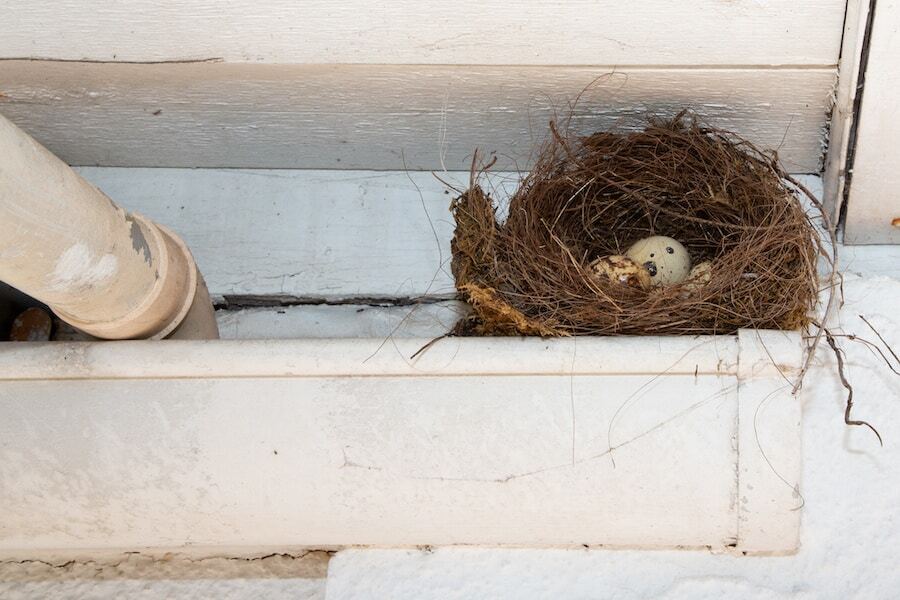
Credit: www.callnorthwest.com
Maintenance And Cleaning Tips
Keeping your porch free from bird nests requires consistent maintenance and cleaning. These efforts not only discourage birds but also keep your space hygienic and pleasant. Let’s dive into practical tips you can apply right away.
Remove Existing Nests Safely
Before starting any removal, check local laws—some birds are protected and their nests cannot be disturbed during breeding season. Use gloves and a mask to protect yourself from dust and droppings. Gently remove nests and dispose of them in sealed bags to prevent attracting more birds.
If you find eggs or baby birds, pause and observe. Sometimes waiting a few weeks until the birds leave is safer and more humane. Have you ever rushed a nest removal only to have birds return quickly? Timing matters more than you might think.
Regular Porch Inspection
Schedule weekly checks of your porch, especially under eaves, railings, and corners where birds like to settle. Look for signs of nesting materials like twigs or feathers early before a full nest is built. Small disturbances during early stages can discourage birds from returning.
Use a flashlight to inspect dark, hidden areas. You might spot nests that are easy to miss during daylight. How often do you walk around your porch just to look up and check these tricky spots?
Minimize Food And Shelter
Birds nest where they find easy food and shelter. Keep your porch free of crumbs, pet food, and open trash bins. Even bird feeders should be placed away from your porch to avoid attracting them too close.
Trim back nearby bushes or trees that provide cover. Clear clutter like stacked wood or unused furniture where birds can hide. Think about what you can remove or rearrange today to make your porch less inviting to birds.

Credit: www.reddit.com
Frequently Asked Questions
How Can I Stop Birds From Nesting On My Porch?
To stop birds from nesting on your porch, use deterrents like bird spikes or netting. Regularly clean the area to remove any nesting materials. Consider installing visual deterrents like shiny objects or fake predators. Ensuring there’s no food source nearby can also help keep birds away.
What Materials Prevent Birds From Nesting?
Materials like bird spikes, netting, and reflective tape can prevent birds from nesting. Bird spikes create an uncomfortable landing area. Netting blocks access to potential nesting spots. Reflective tape startles birds with its movement and shine. These materials are effective and humane bird deterrents.
Are There Safe Bird Repellent Options?
Yes, safe bird repellents include visual deterrents like reflective tape and fake predators. Natural sprays made with essential oils can also deter birds. These options are non-toxic and environmentally friendly. Ensure any product used is safe for both birds and the surrounding environment.
Do Wind Chimes Deter Birds From Nesting?
Wind chimes can deter birds from nesting due to their noise and movement. Birds prefer quiet, stable environments for nesting. The unpredictable sound and motion of wind chimes create an uninviting atmosphere. Place them in areas where birds frequently attempt to build nests.
Conclusion
Preventing birds from nesting on your porch keeps your space clean and safe. Use simple tools like mesh, spikes, or noise makers to deter them. Regularly check and remove early signs of nesting. Stay consistent with these steps for best results.
Enjoy a bird-free porch without harming the birds. Small efforts make a big difference over time. Keep your porch inviting for you, not for birds.