
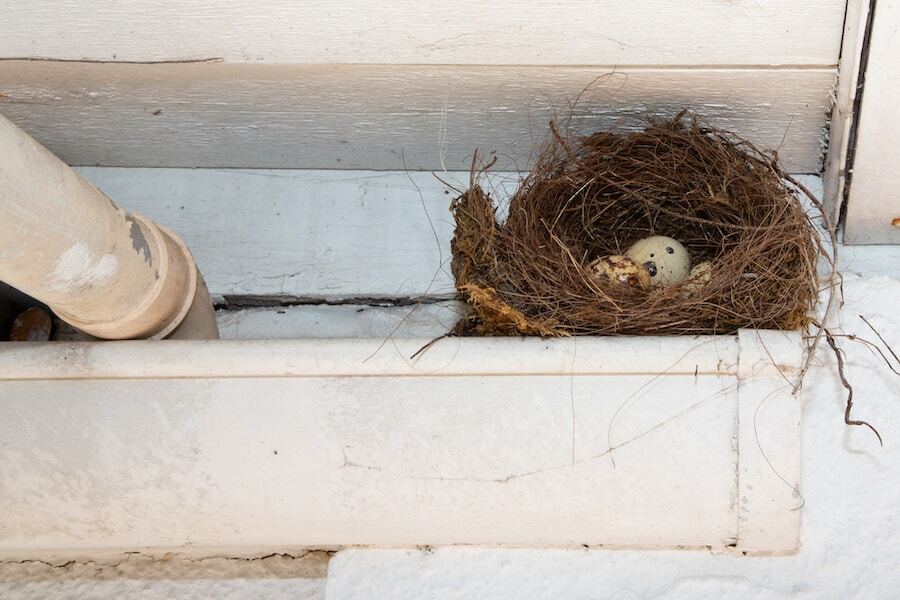
Are you dealing with birds building nests where you don’t want them? Nesting birds can cause damage to your property and create a lot of unwanted mess.
You might be wondering how to get rid of them safely and effectively without harming the birds or breaking any rules. This guide will give you simple, practical steps you can take right now to protect your space and keep those nesting birds away for good.
Keep reading—you’ll find easy solutions that really work.
Signs Of Nesting Birds
Noticing birds nesting around your home can be surprising. It’s more than just seeing a few birds flying by; there are clear signs that tell you they’ve chosen your property to raise their young. Recognizing these signs early helps you decide what action to take, especially if the nesting might cause issues.
Common Bird Species That Nest
Different birds have different nesting habits, and knowing which species you’re dealing with can help you identify the signs. Pigeons often build messy nests on ledges or under eaves. Sparrows prefer small crevices or vents, while swallows use mud to create cup-shaped nests on walls or under roofs.
Have you spotted small twigs, leaves, or bits of string gathered around your windows or gutters? These materials often point to sparrows or finches setting up home. Recognizing the bird type can guide how to handle the situation since some species are protected by law.
Identifying Nest Locations
Birds tend to pick sheltered, quiet spots that protect their eggs and chicks. Check under roof overhangs, inside vents, attic spaces, or even in shrubs near your house. Listen for constant chirping or fluttering sounds, especially in the early morning or late afternoon.
Look for droppings or feathers around these areas as additional clues. If you find a collection of soft materials like grass or feathers tucked into a nook, that’s a strong sign a nest is present. Have you ever found an unexpected nest while cleaning a corner of your porch?
Impact Of Nesting On Property
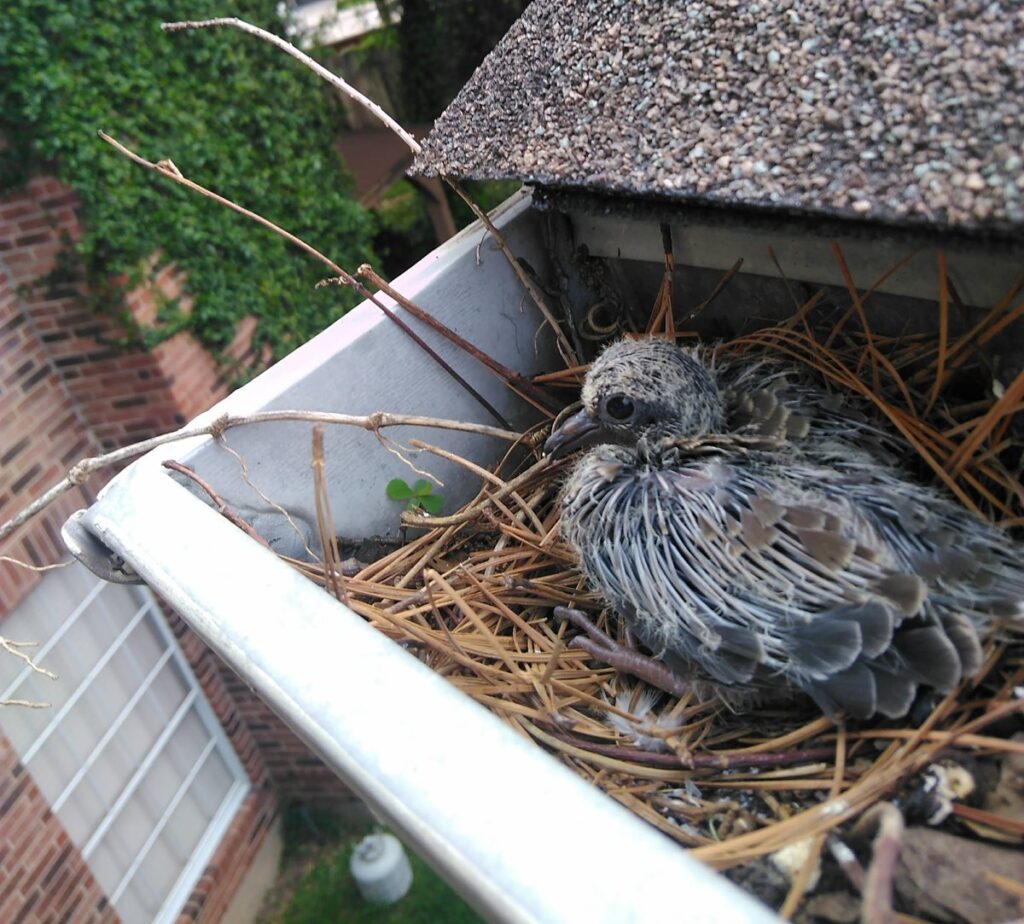
Nesting birds can cause damage that might not be obvious right away. Their droppings are acidic and can eat away paint or metal surfaces. Nests built in vents or chimneys block airflow and can become fire hazards.
Besides physical damage, nests can attract other pests like mites or insects that pose health risks. You might wonder if leaving a nest alone will cause problems later. Early detection can prevent costly repairs and keep your home safe.
Credit: www.crittercontrol.com
Safe Bird Deterrent Methods
Safe bird deterrent methods help keep birds away without causing harm. These methods use gentle ways to stop birds from nesting in unwanted places. They protect your space while respecting wildlife. Using safe deterrents can prevent damage and keep birds safe at the same time.
Visual Deterrents
Visual deterrents use sights to scare birds off. Reflective tape and shiny objects work well. Birds dislike sudden flashes of light and moving reflections. Hanging old CDs or aluminum foil strips can help. Fake predators like plastic owls or hawks also scare birds. Move these items regularly to keep birds from getting used to them.
Sound-based Solutions
Sound-based solutions use noises to keep birds away. Ultrasonic devices emit high-pitched sounds birds dislike. These sounds are mostly silent to humans. Recorded predator calls can scare birds too. Use sound devices only during the day. Avoid loud noises that might disturb neighbors or pets.
Physical Barriers
Physical barriers block birds from nesting spots. Netting is a popular choice for covering trees and roofs. Bird spikes prevent birds from landing on ledges. Install wire mesh over vents and chimneys. Make sure barriers do not trap or hurt birds. Regularly check and maintain barriers for best results.
Humane Nest Removal Techniques
Humane nest removal techniques protect birds while keeping your space safe. These methods focus on moving nests without harm and preventing future nesting. Respect for wildlife and local laws is essential for success.
Timing And Legal Considerations
Many bird species are protected by law. Removing nests during breeding season is often illegal. Always check local regulations before acting. The best time to remove nests is after young birds leave. Avoid disturbing eggs or chicks. Acting at the right time helps protect birds and avoids fines.
Relocation Tips
Relocate nests gently to a nearby safe area. Use gloves to protect yourself and the birds. Move the nest carefully to avoid damage. Place it in a sheltered spot away from predators. Watch the birds to ensure they accept the new location. Do not try to move active nests with eggs or chicks.
Cleaning And Prevention
Clean the area after nest removal to discourage new nests. Remove sticks, leaves, and other nesting materials. Use natural repellents like vinegar or peppermint oil. Seal openings and cracks where birds enter. Install bird deterrents such as spikes or nets. Regular maintenance helps keep birds away humanely.

Credit: www.familyhandyman.com
Preventing Future Nesting
Stopping birds from nesting on your property before they start saves a lot of hassle. Preventing future nesting is about making your space less inviting and harder to access for birds. It’s easier to keep them away than to remove nests later.
Maintaining Property
Keep your property clean and free of debris like sticks and leaves that birds use for nests. Regularly check roof edges, gutters, and vents where birds like to settle. Fix any holes or gaps in walls and eaves to block easy entry points.
I once noticed sparrows nesting under my porch light because I left a gap in the siding. Sealing it shut stopped them from coming back the next season. What small spots could birds be using around your home?
Using Repellents Regularly
Bird repellents work best when applied consistently. You can use safe sprays, gels, or visual deterrents like shiny tape and predator decoys. Rotate the types of repellents to prevent birds from getting used to them.
After trying a scarecrow for a few weeks, I switched to reflective tape. The birds quickly lost interest once the tape caught the sunlight and moved in the wind. How often do you change your deterrent methods to keep them effective?
Modifying Habitats
Changing the environment around your home discourages birds from nesting. Trim tree branches that overhang roofs and remove dense shrubs near walls. Avoid planting berry-producing bushes close to your house since they attract birds.
Removing a thick bush near my window reduced visits from nesting birds dramatically. It made me think: which parts of your yard might be too inviting for birds looking for a home?

Credit: swibirds.org
Frequently Asked Questions
How Can I Safely Remove Nesting Birds?
To safely remove nesting birds, wait until the young have left the nest. Use humane deterrents like bird spikes or netting. Avoid disturbing active nests to comply with wildlife protection laws and ensure bird safety.
What Are Effective Methods To Prevent Birds From Nesting?
Effective prevention includes sealing entry points, installing bird spikes, and using reflective or sound deterrents. Regularly clean potential nesting areas. These methods discourage birds from building nests near your home or property.
Are There Legal Restrictions On Removing Bird Nests?
Yes, many bird species are protected by law. Removing active nests without permission can be illegal. Always check local wildlife regulations before taking action to avoid penalties and protect bird populations.
How Do I Identify If Birds Are Nesting On My Property?
Look for nests in eaves, vents, or trees. Listen for bird calls and watch for frequent bird visits. Early identification helps in timely and safe nest management.
Conclusion
Removing nesting birds can be challenging, but it’s manageable with care. Focus on humane and effective methods. Use deterrents like reflective objects or bird spikes. Regularly check and seal entry points. Consider professional help if needed. Remember, birds are protected by laws, so always respect their presence.
Prioritize their safety along with your convenience. By understanding their habits, you can keep your space bird-free. Keep your home peaceful and bird-friendly. Balance is key. A little effort goes a long way. Your home remains yours, and birds find a safe place elsewhere.