
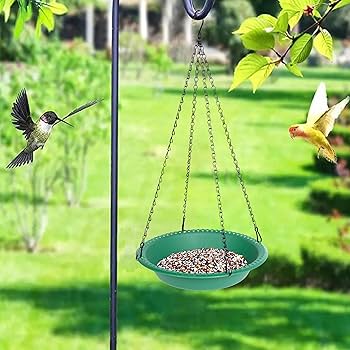
Is your bird feeder swinging wildly in the wind, spilling seeds everywhere? You’re not alone.
Many bird enthusiasts face the same issue, and it can be frustrating. Not only does it waste food, but it can also scare away the very birds you’re trying to attract. Imagine watching your feathered friends enjoying a peaceful meal without the hassle of a swinging feeder.
Sounds perfect, right? In this guide, you’ll discover simple yet effective ways to keep your bird feeder steady, ensuring a tranquil dining experience for your avian visitors. Keep reading to transform your backyard into a serene bird haven.
Credit: dengarden.com
Causes Of Feeder Swinging
Understanding why your bird feeder swings is key to keeping it steady. Swinging feeders not only spill seeds but can also scare away birds. Identifying the causes helps you find the right solution to enjoy peaceful birdwatching.
Wind And Weather Effects
Strong winds are the most common reason feeders swing wildly. Even a gentle breeze can cause movement if the feeder hangs freely. Rain and storms add weight or shift the feeder, making it sway more than usual.
Have you noticed how feeders near open spaces react differently than those in sheltered spots? Placing your feeder where it’s shielded from direct wind can reduce swinging significantly.
Bird Activity Impact
Birds landing and hopping on the feeder can cause sudden jerks and swings. Larger birds like cardinals or woodpeckers tend to create more movement than small finches. Multiple birds visiting at once also increase swinging as they push and pull.
Think about your feeder’s design—does it allow birds to perch comfortably without causing imbalance? Sometimes, feeders with wider perches or multiple feeding ports minimize movement from bird activity.
Hanger And Mount Issues
Loose or flexible hangers let the feeder sway more easily. Thin wires or strings that stretch under weight contribute to constant swinging. Mounts attached to unstable branches or poles amplify this problem.
- Check if the hanger is sturdy and tight.
- Ensure the mounting point is solid and doesn’t bend.
- Consider adding weight or a stabilizer near the hanger.
Have you inspected your feeder’s hanging mechanism lately? Small adjustments here often stop swinging without major changes.
Credit: www.outdoorguide.com
Choosing The Right Location
Choosing the right location for your bird feeder is key to stopping it from swinging. The spot you select affects how much the feeder moves in the wind or when birds land on it. A good place can keep the feeder steady and make it easier for birds to feed calmly.
Sheltered Spots
Pick a place protected from strong winds. Areas near walls, fences, or dense bushes work well. These spots block gusts that cause swinging. Avoid open spaces where wind can push the feeder back and forth. A sheltered spot also gives birds a safe feeling.
Stable Mounting Points
Choose a solid place to hang or attach the feeder. Tree branches that do not sway much are ideal. Poles or hooks firmly fixed into the ground or wall help keep the feeder steady. Avoid thin, flexible branches or loose hooks. Stability here means less swinging and happier birds.
Using Stabilizing Accessories
Using stabilizing accessories helps reduce bird feeder swinging effectively. These tools keep the feeder steady during wind or when birds land. Stabilizing accessories are simple yet practical solutions for a calm feeding area. They improve bird safety and seed retention by minimizing feeder movement.
Weighting Techniques
Adding weight to the feeder base lowers swinging. Attach small weights like metal washers or fishing weights to the bottom. Use a weight that is heavy enough to stabilize but not too heavy to damage the feeder. Secure weights with waterproof tape or strong string. This method creates balance and reduces movement caused by wind or bird activity.
Support Rods And Braces
Support rods or braces add extra stability to feeders hanging from poles or branches. Install rods vertically or horizontally near the feeder to limit swinging. Use metal or sturdy plastic rods for long-lasting support. Braces can be fixed between the feeder and its hanging point. This setup forms a steady frame that stops the feeder from swinging freely.
Diy Solutions To Reduce Swinging
Keeping your bird feeder steady can be a real challenge, especially on windy days or when active birds land on it. Swinging feeders can spill seeds and frustrate your feathered visitors. Luckily, you don’t need expensive gadgets to fix this problem; simple DIY solutions can make a big difference.
Adding Baffles
Baffles are barriers that block wind or movement, helping to stabilize your feeder. You can easily add a baffle above or below your feeder using materials like plastic, metal, or even wood.
Mounting a dome-shaped baffle above your feeder prevents squirrels and reduces swinging caused by wind. Alternatively, placing a cylindrical baffle below the feeder stabilizes it by adding weight and reducing bounce.
- Use a plastic plant saucer as a simple baffle.
- Secure it tightly so it doesn’t shift with the wind.
- Make sure it doesn’t block bird access or visibility.
Securing With Cables Or Chains
Another effective way to reduce swinging is by anchoring your feeder with cables or chains. This limits movement while still allowing birds to feed comfortably.
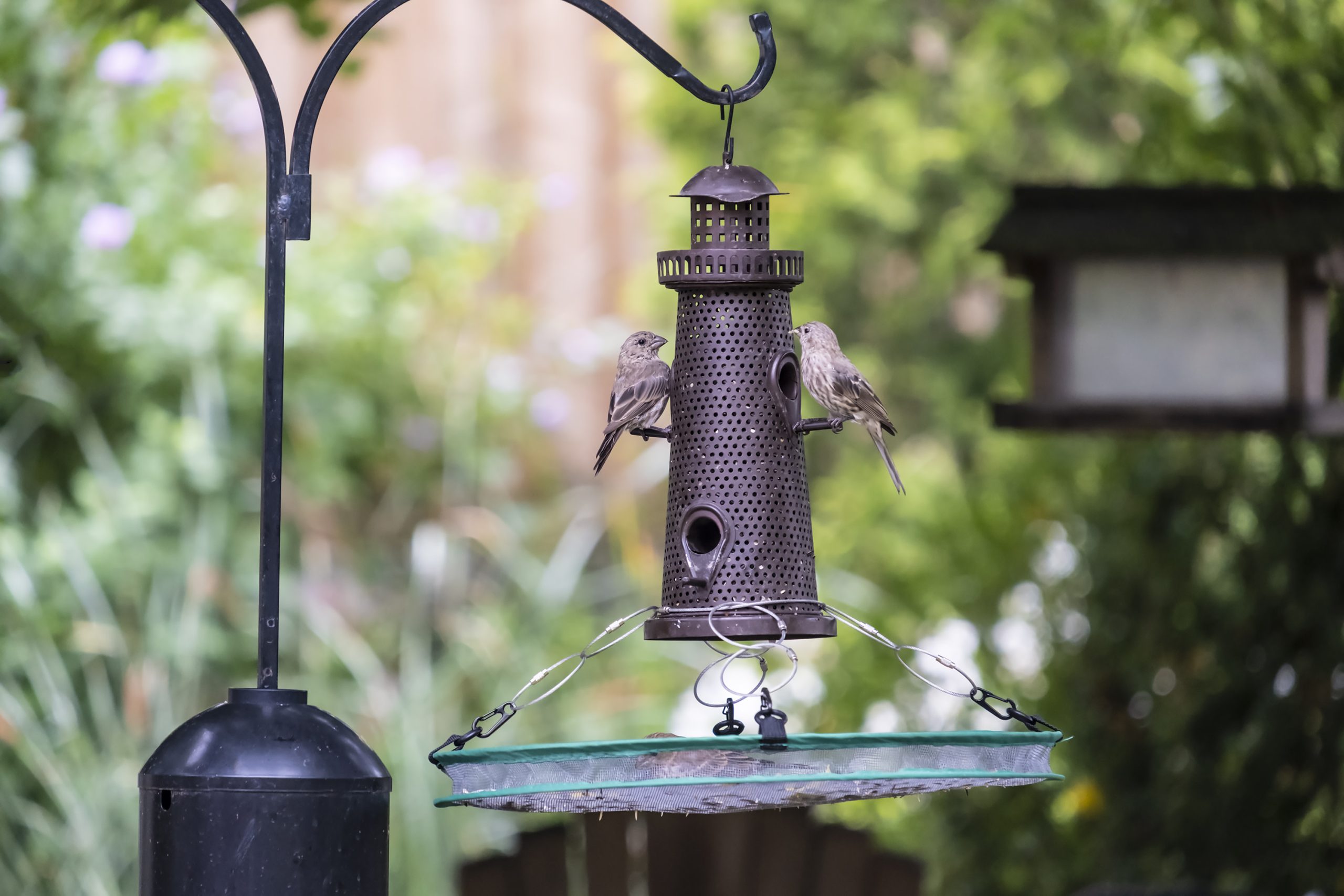
You can attach two cables on either side of the feeder and connect them to fixed points like tree branches or poles. This creates tension that holds the feeder steady.
- Choose weather-resistant cables or chains to avoid rust.
- Adjust the length so the feeder isn’t too tight or too loose.
- Check regularly for wear and replace as needed.
Have you ever noticed how much calmer your yard feels when the feeder stops swinging? Taking just a few minutes to apply these fixes can make your birdwatching experience more enjoyable and less messy. What DIY solution will you try first to keep your feeder steady?
Credit: everythingwildlife.co.uk
Frequently Asked Questions
How Can I Stop My Bird Feeder From Swinging?
To stop swinging, secure the feeder with a stabilizing weight or attach a baffle below. Use sturdy, non-flexible hanging materials to reduce movement from wind or birds.
What Materials Help Stabilize A Swinging Bird Feeder?
Use heavy-duty chains or coated steel cables. Avoid thin ropes or strings, as they easily allow swinging in wind or when birds land.
Can Adding A Baffle Prevent Feeder Swinging?
Yes, baffles help reduce swinging by blocking wind. Place a baffle above or below the feeder for better stability and protection.
How Does Location Affect Bird Feeder Swinging?
Hang feeders in sheltered areas like near walls or trees. Avoid open, windy spots to minimize swinging caused by gusts.
Conclusion
Keeping your bird feeder steady helps birds feed safely and comfortably. Use simple tricks like adding weight or using stabilizers. Choose a quiet spot away from strong winds. Check your feeder often to keep it secure. A steady feeder brings more birds to your yard.
Enjoy watching birds without the constant swinging. Small changes make a big difference for happy visitors. Try these tips and see the peaceful bird feeding yourself.