
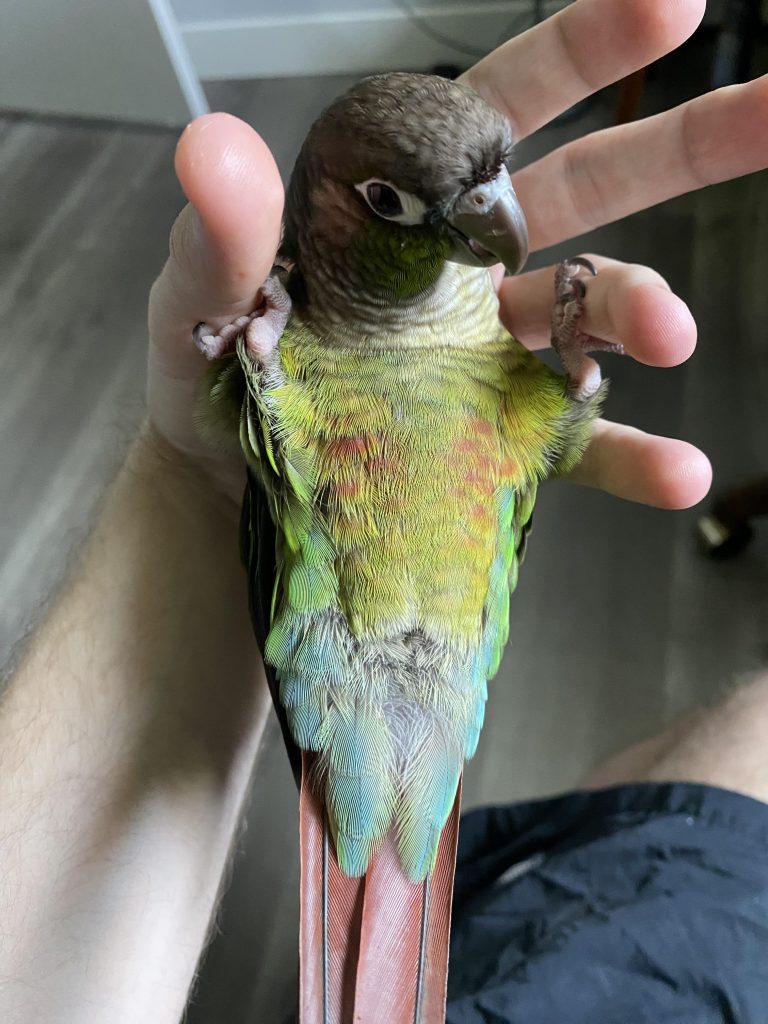
Have you ever watched your bird rubbing his beak on his perch and wondered why he does it? It might seem like a simple habit, but there’s more to this behavior than meets the eye.
Understanding why your feathered friend does this can help you care for him better and keep him happy and healthy. Keep reading to discover the surprising reasons behind this common bird behavior and what it means for your pet’s well-being.

Credit: www.reddit.com
Beak Maintenance And Grooming
Beak maintenance and grooming are essential habits for birds to keep their beaks healthy and functional. You might notice your bird rubbing its beak on its perch often, which is not just a random behavior but a vital part of its daily care routine. Understanding why this happens can help you better support your feathered friend’s well-being.
Natural Beak Sharpening
Birds use their beaks for many tasks, from eating to climbing, so keeping the beak sharp and smooth is crucial. Rubbing the beak on a perch helps wear down any overgrowth naturally. This prevents the beak from becoming too long or misshapen, which could make eating difficult.
Have you ever noticed how some perches feel rough while others are smooth? Birds tend to choose rough surfaces because they aid in grinding down the beak. Providing your bird with a variety of perch textures can encourage this healthy behavior and reduce the need for manual beak trimming.
Removing Debris And Dirt
Just like your hands get dirty, your bird’s beak collects food particles, dust, and other debris throughout the day. Rubbing the beak on its perch acts like a natural cleaning tool to remove stuck-on dirt. This keeps the beak hygienic and prevents bacterial build-up.
Imagine if your bird couldn’t clean its beak properly—this could lead to infections or discomfort. You can help by regularly checking your bird’s beak and perch cleanliness. Offering perches with varied textures and easy-to-clean materials supports your bird’s grooming routine effectively.

Credit: www.reddit.com
Communication And Behavior
Birds use their beaks for more than just eating. When your bird rubs its beak on the perch, it’s often a form of communication and behavior signaling. Understanding these actions can help you connect better with your feathered friend and meet its needs more effectively.
Marking Territory
Birds have scent glands near their beaks that leave subtle marks when they rub their beak on objects. This behavior helps them mark their territory and signal ownership.
If your bird consistently rubs its beak on the perch, it might be telling others, “This is my spot.” This is especially common in multi-bird households or outdoor aviaries.
Have you noticed if your bird does this more often when new birds or people are around? It’s a way to establish boundaries without aggression.
Seeking Attention
Sometimes, rubbing the beak is a way your bird seeks your attention. It’s a gentle, persistent gesture that can mean, “Look at me” or “I want interaction.”
When your bird rubs its beak and then looks at you, try responding with a soft voice or a scratch under the chin. This can strengthen your bond and encourage positive social behavior.
Does your bird do this more when you’re busy or when it’s feeling lonely? Recognizing this can help you provide the right kind of engagement at the right time.
Health Indicators
Birds use their beaks for many tasks, from eating to grooming. Observing how your bird rubs its beak on the perch can reveal important health signs. This behavior might point to underlying issues or discomfort. Paying attention to these cues helps keep your bird healthy.
Signs Of Beak Problems
Rubbing the beak too often may signal a problem. Look for these signs:
- Cracks or chips on the beak surface
- Unusual beak shape or overgrowth
- Discoloration or rough texture
- Difficulty eating or holding food
These signs indicate your bird may need a vet check. Beak problems can affect eating and overall health.
Stress And Discomfort Signals
Beak rubbing might show stress or discomfort. Birds often use this as a calming action. Notice if your bird:
- Rubs beak more than usual
- Shows other stress signs like feather plucking
- Changes behavior or becomes quiet
- Seems restless or agitated
Stress can affect your bird’s well-being. Creating a calm environment helps reduce these signals.
Environmental Factors
Environmental factors play a significant role in why your bird might rub his beak on his perch. Birds use their beaks not only for eating but also for grooming and interacting with their surroundings. The nature of their environment can encourage or discourage this behavior, so understanding these factors can help you make your bird’s habitat more comfortable and engaging.
Perch Texture And Material
The texture and material of the perch can greatly influence beak-rubbing behavior. Birds often rub their beaks to remove dirt, food particles, or old beak layers, and a rough or uneven surface can help with this natural maintenance.
If your bird’s perch is too smooth or made from a slippery material, your bird might not get enough friction to effectively clean or sharpen his beak. On the other hand, very rough or abrasive materials can cause discomfort or even damage. Finding the right balance is key.
Have you tried different perch materials like natural wood, rope, or synthetic options? Observing your bird’s reaction to these can provide clues about his preferences and needs.
Habitat Enrichment
Your bird’s environment should be stimulating and varied to prevent boredom and encourage healthy behaviors. If the habitat lacks toys, perches, or interesting textures, your bird might rub his beak on the perch out of boredom or to self-soothe.
Adding a variety of perches with different shapes and materials can keep your bird engaged and promote natural behaviors. Items like cuttlebones, mineral blocks, or chew toys can also provide safe outlets for beak rubbing and grinding.
Think about how you can make your bird’s living space more dynamic. Are there spots where he can explore new textures or practice beak care in a fun way? Your bird’s behavior can tell you a lot about what his environment might be missing.

Credit: www.reddit.com
Frequently Asked Questions
Why Do Birds Rub Their Beaks On Perches?
Birds rub their beaks on perches to clean and sharpen them. This behavior, known as “feaking,” removes debris and keeps their beaks in optimal condition. It also helps birds maintain their beak shape, which is essential for feeding and grooming.
Is Beak Rubbing A Sign Of Illness In Birds?
Beak rubbing is generally a normal behavior and not a sign of illness. However, excessive rubbing or changes in behavior might indicate a health issue. If you notice anything unusual, it’s best to consult with an avian veterinarian to ensure your bird’s well-being.
How Often Should Birds Rub Their Beaks?
Birds typically rub their beaks several times a day. This behavior is a natural part of their grooming routine. If your bird is rubbing excessively or less frequently, observe for any health changes and consider seeking advice from a vet.
Do All Bird Species Rub Their Beaks?
Most bird species engage in beak rubbing as part of their grooming habits. It helps them maintain their beak’s cleanliness and sharpness. While the frequency might vary, it’s a common behavior across many bird species.
Conclusion
Birds rub their beaks on perches for many reasons. It helps keep their beaks clean and sharp. Sometimes, it is a way to show comfort or stress. Watching this behavior can tell you a lot about your bird’s mood. Offering safe perches encourages healthy beak care.
Pay attention to how often your bird does this. It can help you notice changes in health or feelings. Understanding this simple habit helps you bond with your bird better. Keep observing, and your feathered friend will stay happy and healthy.