
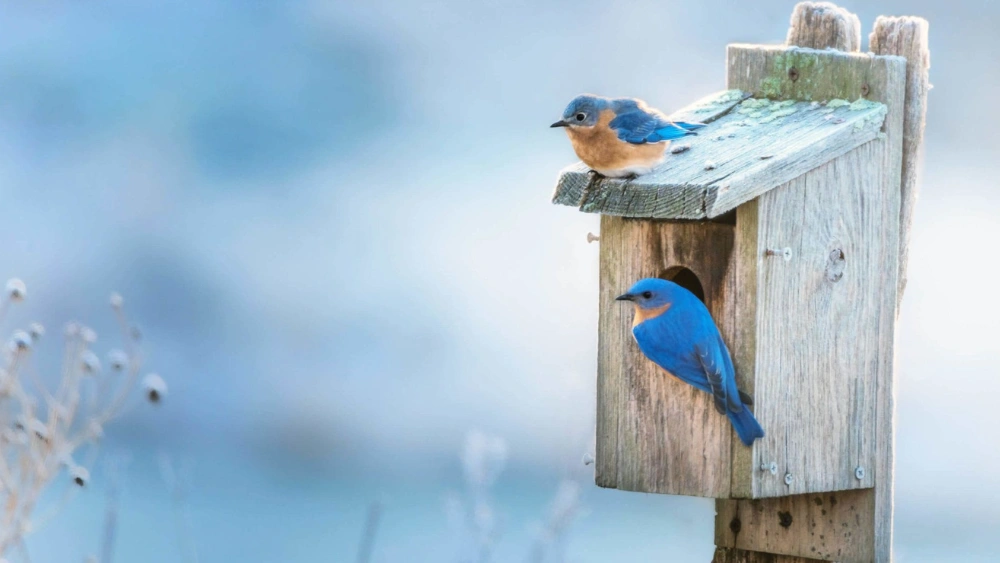
Are you ready to invite a splash of color and a song of joy into your backyard? Placing a bluebird house can transform your outdoor space into a vibrant sanctuary, attracting these beautiful birds with their mesmerizing melodies.
It’s not just about hanging a box; it’s about creating a welcoming haven that meets their needs and encourages them to stay. You’ll discover how a few simple steps can make a world of difference for these charming creatures. With the right guidance, you can enjoy the beauty and benefits of having bluebirds right in your backyard.
Read on to learn exactly how to position and set up a bluebird house to ensure these delightful birds feel right at home.

Credit: www.amazon.com
Choosing The Right Location
Choosing the right location for a bluebird house is crucial to attracting these charming birds to your yard. The spot you pick can either invite bluebirds to nest comfortably or discourage them entirely. Understanding their preferences helps you create a welcoming environment that supports their natural behaviors.
Ideal Habitat Conditions
Bluebirds prefer open areas with short grass or sparse ground cover where they can easily spot insects. Placing the house near a meadow, lawn, or pasture increases the chances of attracting them. Avoid dense woods or heavy shrubbery because bluebirds like clear sightlines for hunting and safety.
Consider the height of the house. Mount it about 4 to 6 feet off the ground to balance protection and accessibility. Make sure the location gets plenty of sunlight during the day but some afternoon shade to keep the nest cool.
Avoiding Predators
Predators like cats, raccoons, and snakes pose a big threat to bluebird nests. You want to minimize their access by choosing a spot away from thick bushes or tree branches where they can hide and launch attacks. Keep the area around the house clear of clutter and dense vegetation.
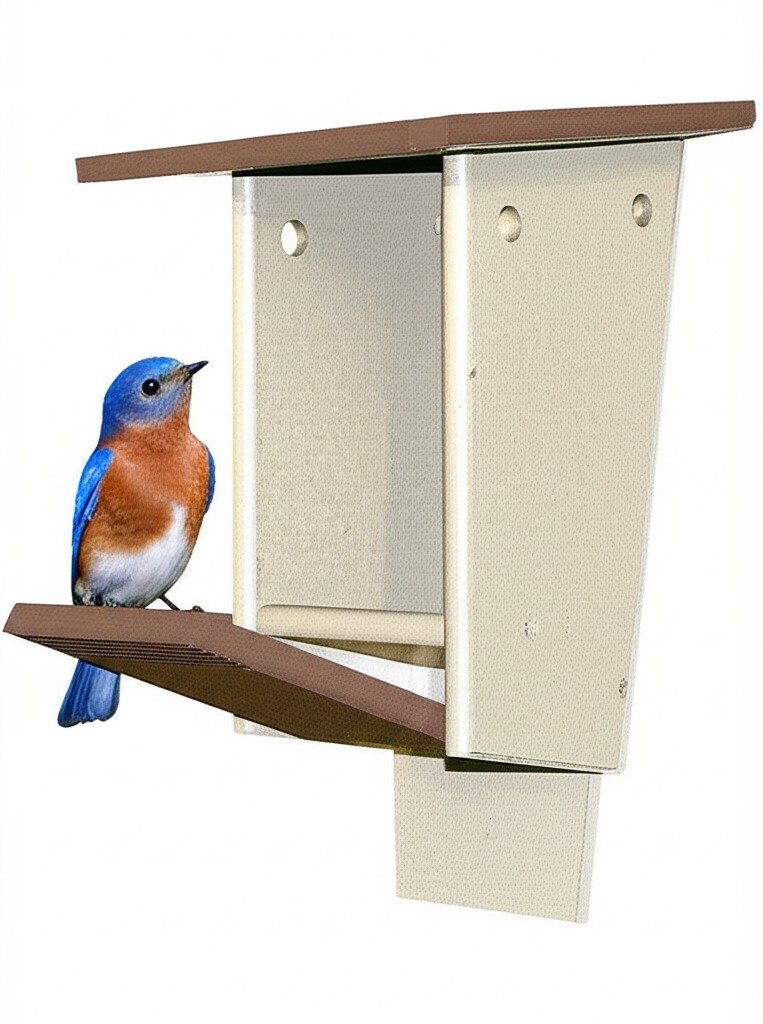
Installing a predator guard on the post can also help keep unwanted visitors away. Think about the surrounding environment—do you see any places where predators might hide or climb? Adjust your location choice accordingly to create a safer nesting site.
Credit: www.dutchcrafters.com
Optimal Height And Orientation
Choosing the right height and direction for a bluebird house helps attract more birds. Bluebirds feel safer and more comfortable when their home is placed just right. This section explains how to find the best spot for your bluebird house.
Recommended Mounting Height
Mount the bluebird house at a height between 4 and 6 feet above the ground. This height keeps the nest safe from most predators. It also allows bluebirds easy access to enter and exit. Avoid placing the house too low or too high. Low spots risk predators like cats and raccoons. Very high spots may be hard for bluebirds to reach.
Best Direction To Face
Face the bluebird house entrance toward the east or southeast. This direction catches the morning sun. The sun helps warm the house early in the day. Avoid facing the box west or north to block cold winds. Shelter from strong winds helps keep eggs and chicks safe. A little shade in the afternoon also prevents overheating.
Mounting Techniques And Materials
Mounting your bluebird house correctly is key to attracting bluebirds and keeping them safe. The right techniques and materials ensure the house stays stable through weather changes and prevents predators from causing harm. Let’s look at how you can securely install your bluebird house and which materials will give you the best results.
Secure Installation Methods
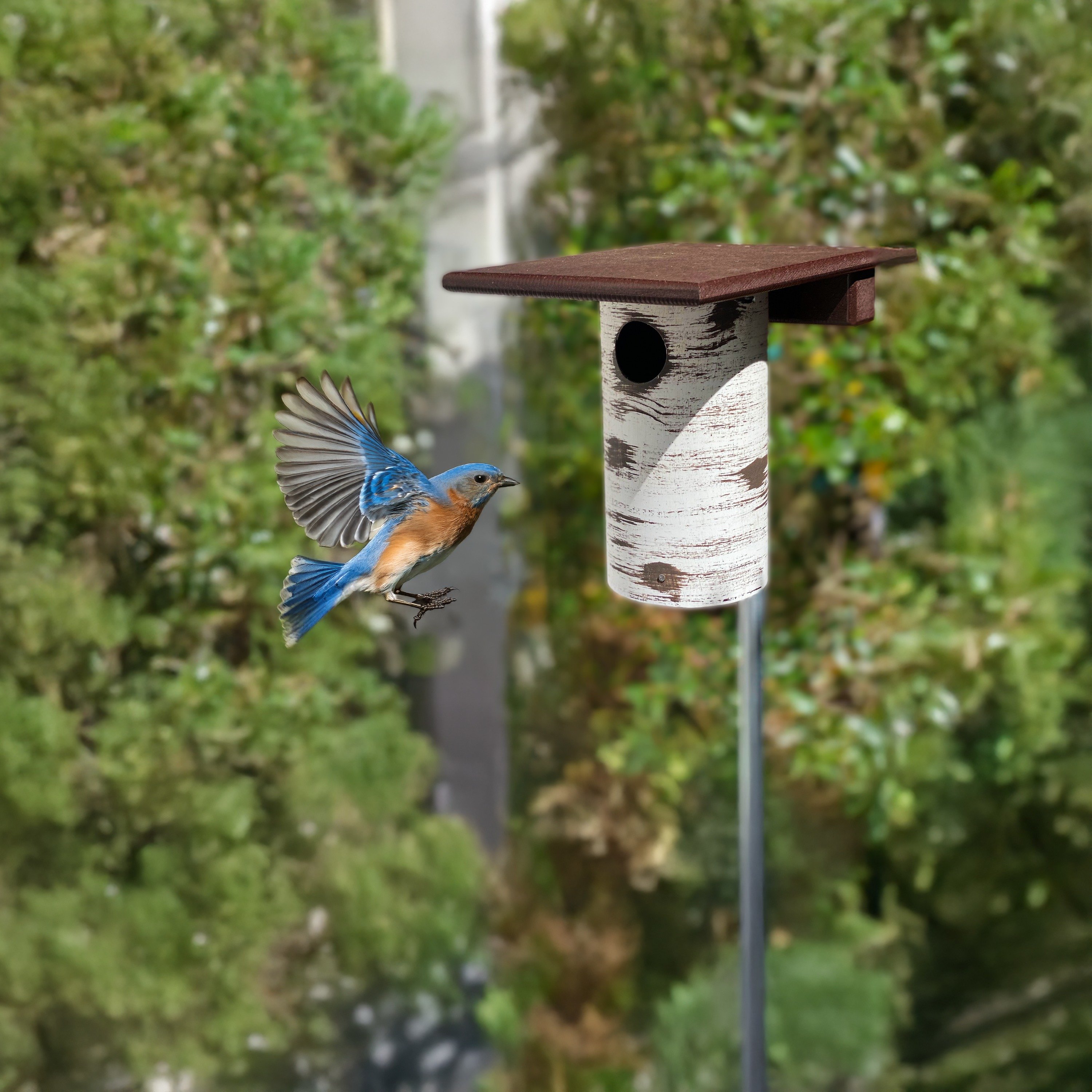
Choose a mounting method that keeps the house steady and at the right height, usually 4 to 6 feet above the ground. You can attach the house directly to a wooden post using screws or bolts for a solid hold.
Another effective option is to mount it on a metal pole with a predator guard. This guard prevents raccoons or snakes from reaching the nest. You might also consider hanging the house from a sturdy tree branch using heavy-duty cable ties or chains, but make sure it doesn’t swing in strong winds.
Have you thought about how easy it will be to check or clean the house? Mounting it on a post with a removable panel or hinged side can make maintenance simpler. Stability matters most—so avoid flimsy hooks or nails that could fail during storms.
Durable Materials To Use
Wood is the best material for bluebird houses because it breathes and provides natural insulation. Cedar and pine are popular choices since they resist rot and last for years outside.
Try to avoid treated wood or plywood, as chemicals can harm the birds. Using stainless steel or galvanized screws and nails prevents rust and keeps the house secure for longer.
Adding a weatherproof sealant only on the roof or edges helps protect the house without sealing the whole surface, which could trap moisture inside. Have you checked your local hardware store for natural, bird-safe finishes? It’s a small step that makes a big difference for your feathered guests.
Credit: www.dutchcrafters.com
Maintenance And Monitoring
Maintaining and monitoring a bluebird house helps ensure bluebirds thrive. Regular care keeps the house safe and attractive for nesting. Watching for signs of activity shows if birds use the house successfully. These simple tasks support bluebird populations and add joy to your garden.
Regular Cleaning Tips
Clean the bluebird house at least once a year. The best time is late fall, after birds leave. Remove old nests and debris to prevent parasites and disease. Use gloves for hygiene and safety. Wash with a mild bleach solution: one part bleach to nine parts water. Rinse well and let dry completely before reassembling. Avoid cleaning during nesting season to protect eggs and chicks. Check for damage and fix any cracks or loose parts. Clear nearby vegetation to improve house visibility and airflow.
Signs Of Successful Nesting
Look for fresh nesting material inside the house. Soft grasses or pine needles often indicate active use. Listen for bird songs or chick calls near the house. Watch for adult bluebirds entering and leaving frequently. Observe if eggs or chicks appear through the entrance hole. Note that bluebirds usually nest in spring and early summer. Successful fledging means chicks leave the house safely. Record these signs to track bluebird activity each year.
Frequently Asked Questions
How High Should A Bluebird House Be Placed?
Place a bluebird house 4 to 6 feet above the ground. This height deters predators and attracts bluebirds. Ensure it’s mounted securely on a pole or post for stability.
What Location Is Best For A Bluebird House?
Choose an open area with short grass and few trees nearby. Avoid placing the house near busy roads or dense woods. Bluebirds prefer open spaces for easy hunting and spotting predators.
How Do I Clean A Bluebird House?
Clean the house after each nesting season. Remove old nests and debris to prevent parasites. Use a mild bleach solution, rinse well, and dry before reinstallation.
Should The Bluebird House Face A Specific Direction?
Face the house entrance away from prevailing winds. Ideally, point it east or southeast. This orientation protects from harsh weather and provides morning sunlight.
Conclusion
Placing a bluebird house is simple and rewarding. Choose a quiet spot with open space nearby. Mount the house 4 to 6 feet high on a sturdy post. Face the entrance away from strong winds and direct sun. Keep the area clean to attract bluebirds and keep predators away.
Watch and enjoy as bluebirds make your house their home. Small steps help support these beautiful birds. Happy birdwatching!