
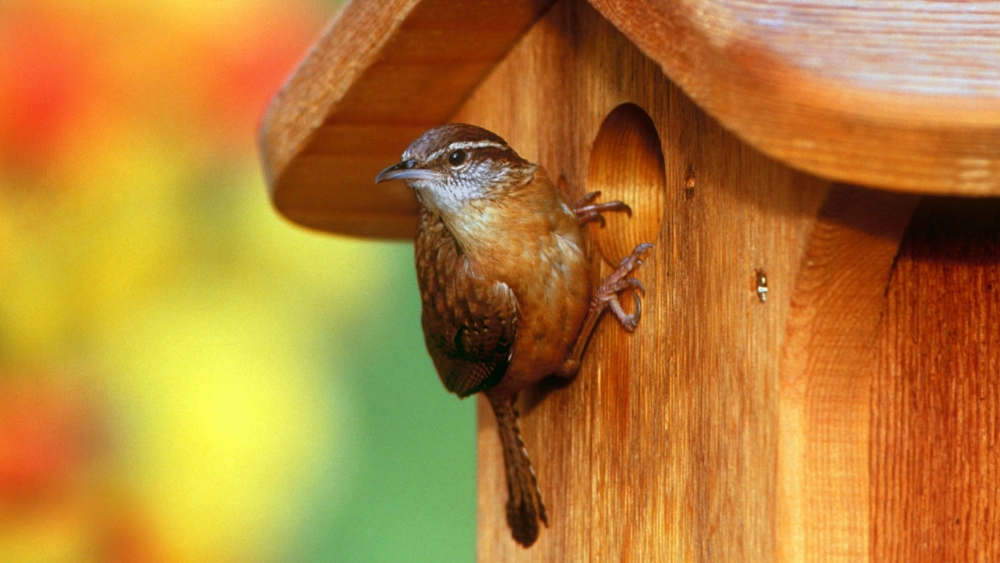
Have you ever found a house wren nest tucked away in a corner of your backyard or nestled in an inconvenient spot around your home? If so, you’re not alone.
These tiny, energetic birds often build their nests in the most unexpected places, leaving you with a tough decision. Should you move the nest or leave it be? Understanding the right course of action is crucial—not just for the birds, but for your peace of mind as well.
You’ll discover the answers to your pressing questions about house wren nests. We’ll explore whether it’s possible to safely relocate them, the legal implications, and the best practices for coexisting peacefully with these charming avian neighbors. By the end, you’ll be equipped with the knowledge to make an informed decision, ensuring both your satisfaction and the safety of the wrens. So, if you’re curious about how to handle this delicate situation, keep reading to learn more!
House Wren Nest Behavior
House wrens are small birds known for their lively behavior and resourceful nesting habits. Understanding their nest behavior helps in deciding if moving their nest is possible. These birds build intricate nests and fiercely protect their young. Their habits reflect adaptability and strong instincts to survive and reproduce.
Nesting Habits
House wrens build nests using twigs, grass, and other small materials. They line their nests with feathers or soft plant fibers. The female usually does the construction alone. Nests contain many layers to protect eggs and chicks. House wrens may reuse old nests or build new ones nearby.
They are very territorial during nesting season. House wrens defend their nest from other birds and predators. They sing loudly to mark their territory. Disturbing their nest can cause stress or abandonment.
Preferred Locations
House wrens prefer hidden and sheltered places for nesting. Common sites include tree cavities, birdhouses, or dense shrubs. They often use man-made structures like mailboxes or eaves. Locations near water sources and food supply are favored. Nests are usually low to the ground but can be higher.
The birds choose spots with easy access and safety. They avoid open or highly exposed areas. Nest placement helps protect against weather and threats. Understanding these preferences is key when considering moving a nest.

Credit: www.reddit.com
Legal Protections For House Wrens
House wrens are small birds that enjoy building nests in many places. Their nests play a key role in their life cycle and survival. Because of this, many laws protect these birds and their homes. Moving a house wren nest without understanding these laws can cause problems. Knowing the legal protections helps keep the birds safe and avoids fines.
Wildlife Protection Laws
House wrens are protected under federal wildlife laws. These laws make it illegal to disturb their nests during the breeding season. Disturbing means moving, damaging, or destroying the nest. The Migratory Bird Treaty Act is one key law that protects house wrens. It covers most native birds and their nests. Violating this law can lead to fines or penalties.
Permits And Regulations
In some cases, moving a house wren nest may be allowed. This usually requires special permits from wildlife authorities. Permits ensure that any action taken will not harm the birds. Local or state rules may also apply. These rules can differ depending on your location. Always check with local wildlife offices before moving a nest. This keeps the process legal and safe for the birds.
Safe Nest Relocation Tips
Relocating a House Wren nest requires care and respect for the birds’ safety. You need to know the right time and the best way to handle the nest to avoid harming the eggs or chicks. Understanding these details helps you protect these lively birds and avoid causing them stress or abandonment.
When To Move A Nest
Timing is critical when moving a House Wren nest. The best time is before the female starts laying eggs or very early in the nesting process.
Moving a nest with eggs or chicks can cause the parents to abandon it. If you notice the nest has no eggs or young birds, that’s your window to act safely.
Ask yourself: Is the nest in immediate danger, like a construction site or heavy foot traffic? If yes, it justifies the risk of moving it promptly.
How To Handle The Nest
Handle the nest gently to keep it intact. Use clean hands or gloves to avoid transferring your scent, which may deter the parents from returning.
Try to move the nest to a similar environment—similar height, shelter, and protection from wind and predators.
- Use a small box or container to support the nest during the move.
- Secure the nest so it doesn’t fall apart or get jostled.
- Place the relocated nest within a short distance of the original spot to increase chances of parental return.
Have you noticed how sensitive birds are to disturbance? A careful, minimal approach can make all the difference.

Credit: windingpathways.com
Alternatives To Moving A Nest
Moving a House Wren nest can be risky and stressful for the birds. Luckily, there are other ways to support these tiny architects without disturbing their home. You can help create new spaces or gently discourage nesting in unwanted spots.
Creating New Nesting Sites
Providing alternative nesting spots encourages House Wrens to settle elsewhere. You can put up birdhouses designed specifically for wrens. Place these boxes in quiet areas, about 5 to 10 feet off the ground, near shrubs or trees.
Make sure your birdhouse has a small entrance hole, around 1 to 1.25 inches wide, to keep out bigger birds. Adding natural materials like twigs nearby can attract wrens faster. Have you tried setting up multiple boxes to see which one they prefer?
Sometimes, offering several options reduces the chance they will nest where you don’t want. You might even notice wrens inspecting and choosing their favorite spot, which can be rewarding to watch.
Deterrents And Prevention
If you want to keep House Wrens from nesting in a particular area, gentle deterrents work better than moving a nest. Wrens dislike shiny or reflective objects, so hanging small mirrors or aluminum foil strips can discourage them.
Motion-activated sprinklers or gentle noise makers can also keep wrens away without harm. Blocking access to tight crevices or sealing holes in your home’s exterior prevents unwanted nesting.
Have you considered trimming back dense shrubbery near your house? This reduces attractive nesting spots. Remember, the goal is to guide wrens, not to harm them or their young.

Credit: www.reddit.com
Frequently Asked Questions
Can You Relocate A House Wren Nest Safely?
Yes, relocating a House Wren nest is possible but tricky. It should be done carefully to avoid harming eggs or chicks. Ideally, consult wildlife experts before moving a nest to ensure legal and safe practices.
When Is The Best Time To Move A House Wren Nest?
The best time to move a House Wren nest is before eggs are laid. Moving after eggs or chicks appear can cause abandonment. Early intervention during nest-building stages increases success and minimizes stress on the birds.
Is It Legal To Move A House Wren Nest?
Laws vary by location, but often moving nests with eggs or chicks is illegal. House Wrens are protected under the Migratory Bird Treaty Act in the U. S. Always check local wildlife regulations before attempting to move a nest.
How Do House Wrens React To Nest Relocation?
House Wrens may abandon relocated nests if disturbed too much. They prefer undisturbed, familiar nesting spots. Gentle, minimal disturbance increases the chance they will accept the new location.
Conclusion
Moving a house wren nest takes careful thought and care. Birds rely on their nests for safety and raising young. Disturbing a nest can cause stress or harm. It’s best to avoid moving nests during breeding season. If you must, act quickly and gently.
Watch for local laws about protecting wild birds. Respect nature’s work and keep the environment safe. Helping wildlife means giving them space and time. Remember, patience often works better than rushing or forcing change.