
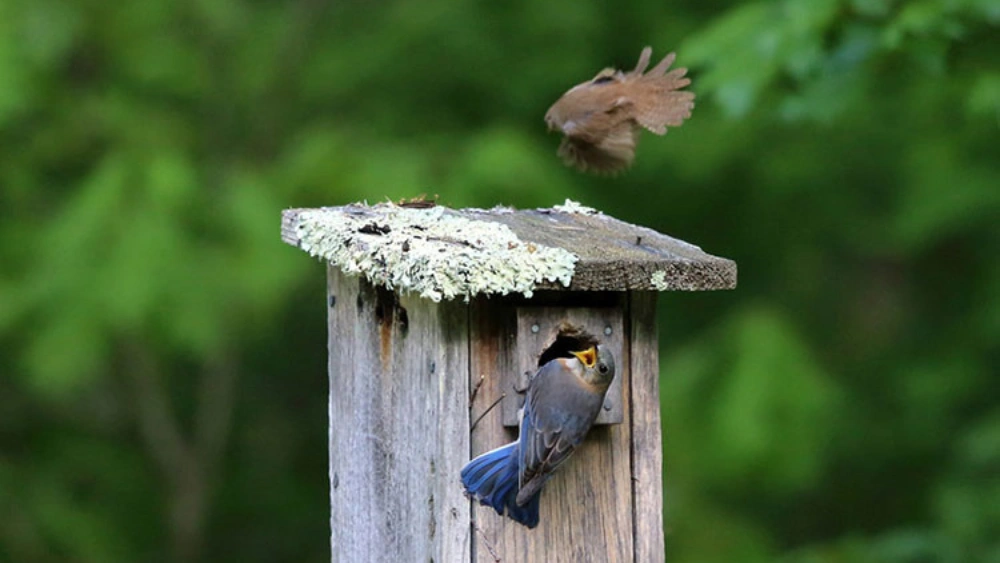
Are you excited to welcome bluebirds into your yard but worried about house wrens taking over their nest boxes? You’re not alone.
House wrens are known for being very aggressive and can quickly chase bluebirds away from their homes. If you want to protect your bluebird boxes and give these beautiful birds the space they deserve, you need the right strategies. You’ll discover simple, effective ways to keep house wrens out and make sure your bluebird guests feel safe and comfortable.
Keep reading to learn how to create the perfect environment for bluebirds without the worry of unwelcome visitors.
Choosing The Right Bluebird Box
Choosing the right bluebird box plays a crucial role in keeping house wrens out. The correct design and placement make your bluebird box less appealing to unwelcome visitors while inviting bluebirds to stay. Paying attention to size and location can protect your feathered friends without extra effort.
Box Size And Entrance Hole
The size of the box and the entrance hole diameter are key factors. Bluebirds prefer an entrance hole around 1.5 inches wide. A hole too large can invite house wrens, which are smaller and more aggressive.
Boxes with a 1.25 to 1.5-inch hole create just the right fit for bluebirds. I once used a box with a 2-inch hole and noticed house wrens quickly took over. After switching to the recommended size, the bluebirds returned and stayed.
Also, the interior space should be roomy enough for bluebirds but not too large. A floor size of about 5×5 inches works well. This discourages wrens, who prefer tighter spaces.
Placement And Height
Where you put your bluebird box affects which birds move in. Bluebirds like open areas with some perches nearby. Avoid dense shrubs or thick branches that house wrens use for cover.
Mount your box at a height between 4 and 6 feet. This height range reduces predation risk and limits wren access. I noticed placing boxes higher than 6 feet sometimes made wrens more persistent.
Face the entrance away from prevailing winds and heavy shade. Sunlight helps bluebirds feel comfortable, while shaded boxes may attract wrens seeking cooler spots.
- Choose open, sunny locations with some nearby perches
- Mount boxes 4-6 feet above ground
- Keep entrance hole to 1.25-1.5 inches diameter
- Ensure the interior floor is around 5×5 inches
Have you considered how small changes in box size or placement might change which birds visit your yard? Experimenting with these details can make a big difference in welcoming bluebirds and keeping house wrens out.
Credit: nestwatch.org
Design Features To Deter House Wrens
Keeping house wrens out of bluebird boxes can be a challenge, but smart design choices can make a big difference. By adjusting specific features of your nest boxes, you can create an environment that bluebirds find welcoming while discouraging wrens. These changes focus on the shape, size, and function of the box.
Entrance Hole Modifications
The size and shape of the entrance hole play a crucial role in controlling which birds can access the box. Bluebirds prefer an entrance hole about 1.5 inches in diameter, while house wrens can squeeze through smaller openings.
You can:
- Reduce the hole size to exactly 1.5 inches to block wrens but allow bluebirds in.
- Use a round hole instead of a slit or irregular shape, as wrens adapt better to varied shapes.
- Add a metal or hard plastic guard around the hole to keep it from enlarging over time due to pecking.
Have you noticed wrens nesting despite your efforts? Checking and adjusting the hole size regularly can save your bluebird nesting success.
Ventilation And Drainage
Proper airflow and water drainage help maintain a healthy nest environment. Bluebirds prefer dry, well-ventilated boxes, while wrens are less picky and often tolerate damp conditions.
To improve ventilation and drainage:
- Drill small holes near the top of the box for air to circulate.
- Ensure the box floor has drainage holes to prevent water buildup.
- Position the box where sunlight can help keep it dry and discourage wrens.
Have you ever found a soggy nest inside a box? Fixing ventilation and drainage could be the key to making the space less attractive to wrens.
Maintenance And Monitoring
Keeping house wrens out of your bluebird boxes takes more than just setting up the right entrance size; ongoing maintenance and regular monitoring are key. By staying proactive, you can catch wren activity early and prevent them from taking over the space meant for bluebirds. This not only helps protect your bluebird population but also ensures your nest boxes remain inviting and safe.
Regular Cleaning
Cleaning your bluebird boxes at least once a year is essential. Remove old nesting material and debris to discourage wrens from nesting again. A clean box gives bluebirds a fresh start and reduces the risk of parasites and diseases.
Try cleaning in late fall or early winter when both wrens and bluebirds are less likely to be using the boxes. Use gloves and a mild bleach solution to scrub the interior, then rinse well and let it dry completely before reinstalling.
Checking For Wren Activity
Make it a habit to check your boxes frequently during the breeding season. Look for signs such as small twigs piled inside or tiny feathers that don’t match bluebirds. House wrens often build multiple nests, even in boxes they don’t end up using, so spotting early signs can save the box for bluebirds.
If you find wren nests starting to form, gently remove them and clean the box again. Ask yourself: Are you checking often enough to catch these early signs before wrens claim the box? Frequent visits can make all the difference in protecting your bluebird habitat.

Credit: www.amazon.com
Additional Deterrent Methods
Placing small sticks near the entrance can discourage wrens from entering bluebird boxes. Using predator decoys nearby also helps keep wrens away effectively.
To keep house wrens from taking over bluebird boxes, it’s crucial to explore additional deterrent methods. While physical barriers are a good start, there’s more you can do to create an environment that’s less inviting for these persistent little birds. By implementing strategic tactics, you can enhance the safety of your bluebird habitats and ensure they’re thriving. Let’s dive into some practical approaches that can make a real difference.Using Decoys Or Repellents
Decoys can serve as an effective way to keep house wrens at bay. Consider installing a mock predator, like a plastic owl or snake, near your bluebird boxes. These visual deterrents can create an illusion of danger, discouraging wrens from settling in. Repellents are another option. Spraying a non-toxic, bird-safe repellent around the nesting boxes can make the area less attractive to wrens. Ensure that any product you use is harmless to both birds and the environment. Have you ever tried using decoys in your garden? You might be surprised at how effective they can be!Habitat Management
Managing the surrounding habitat plays a crucial role in deterring house wrens. Trim back dense vegetation near the bluebird boxes to reduce cover for wrens. This makes the area less appealing for them to nest. Additionally, consider spacing out your bluebird boxes. Too many boxes in close proximity can invite competition and conflict. By spacing them out, you reduce the chances of wrens overtaking the area. Think about what might make your yard a more exclusive spot for bluebirds. Sometimes, small changes can have a big impact on who calls your garden home.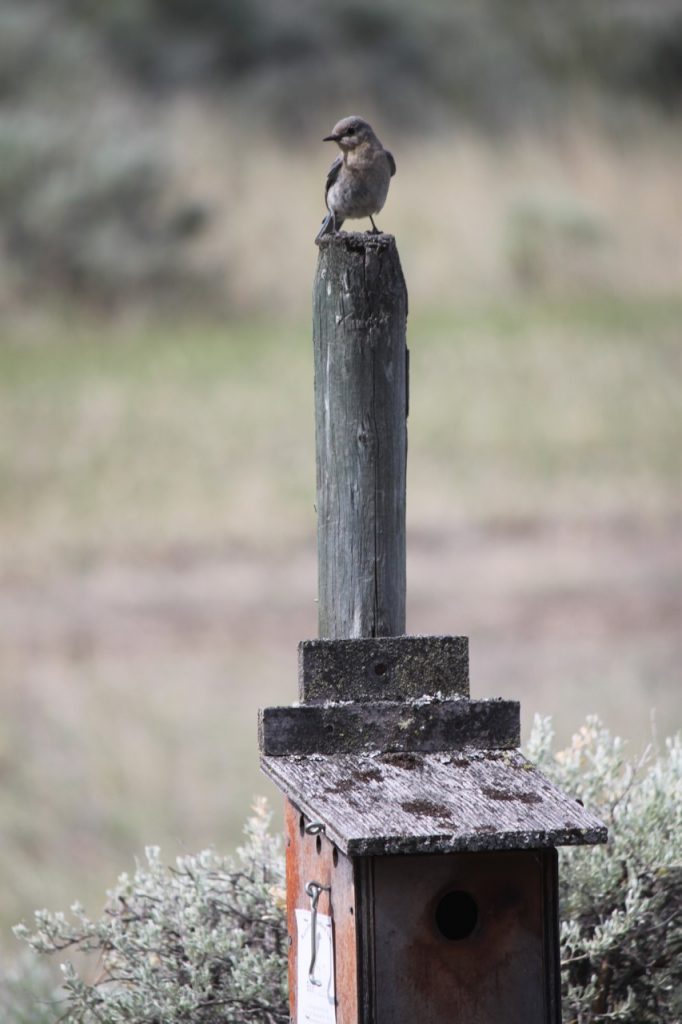
Credit: nestwatch.org
Frequently Asked Questions
How Do House Wrens Invade Bluebird Boxes?
House wrens enter through the entrance hole to build nests. They can take over if the hole is large or unprotected. Wrens are aggressive and may remove bluebird eggs or chicks once inside.
What Size Entrance Hole Prevents House Wrens?
A 1. 5-inch diameter hole is ideal for bluebirds. This size restricts house wrens, which prefer larger openings. Using this hole size helps keep wrens out and attracts only bluebirds.
How Can I Modify Bluebird Boxes To Deter Wrens?
Install a predator guard or a smaller entrance hole. Regularly check and clean the box to remove wren nests early. Position boxes away from dense shrubs where wrens like to hide.
Are There Natural Repellents For House Wrens?
No proven natural repellents effectively keep wrens out. Instead, focus on physical modifications to the box and habitat management. Keeping the area clear of dense vegetation helps reduce wren presence.
Conclusion
Keeping house wrens out of bluebird boxes takes patience and care. Use the right box size and entrance hole to help bluebirds. Clean boxes regularly to avoid unwanted nests. Place boxes in open areas away from dense shrubs. Watch your boxes often to catch problems early.
Small changes can make a big difference for bluebirds. Protect their homes, and enjoy their cheerful songs. Simple steps help bluebirds thrive in your yard.