
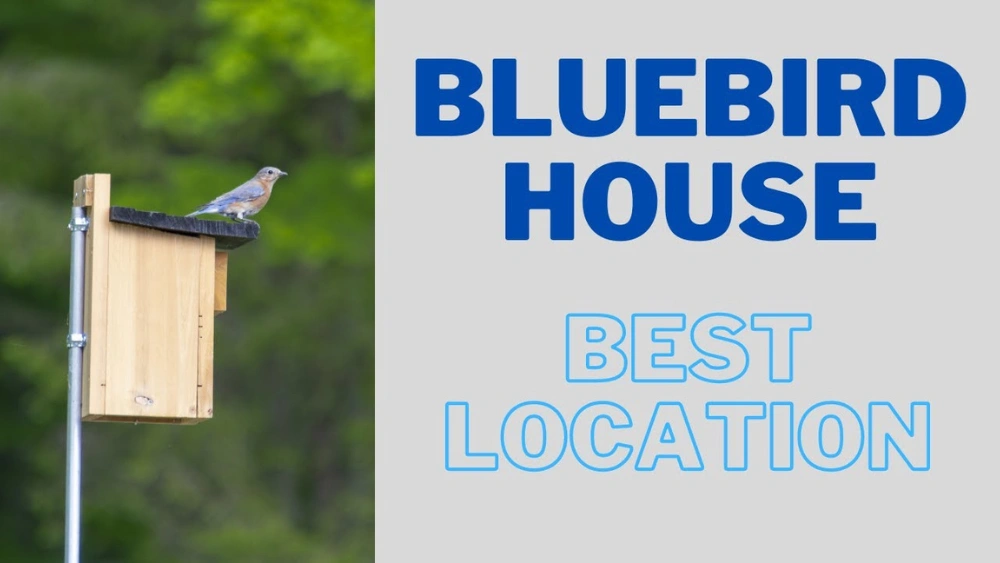
If you want to attract bluebirds to your yard, placing their house at the right height is crucial. You might wonder, how far off the ground should a bluebird house be to keep them safe and happy?
Getting this detail right can mean the difference between watching these beautiful birds thrive or seeing an empty nest. You’ll discover the perfect height to hang your bluebird house and why it matters so much for your feathered friends. Keep reading to make sure your bluebird house becomes a welcoming home!
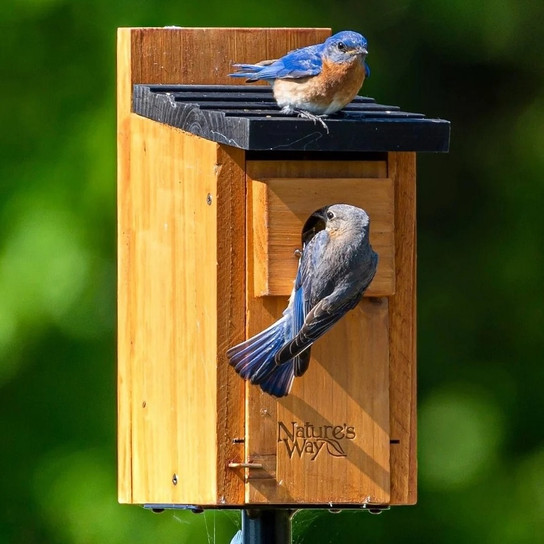
Credit: www.birdwatchingdaily.com
Ideal Height Range
Choosing the right height for a bluebird house is important for the bird’s safety and comfort. Bluebirds prefer their homes off the ground to avoid predators and disturbances. The ideal height range helps protect the birds while making it easy for them to access the house. Proper placement also encourages bluebirds to nest and thrive in your yard.
Minimum Height
Bluebird houses should be at least 4 feet off the ground. This height keeps them safe from cats, snakes, and other ground predators. It also reduces the chance of flooding or moisture damage. Placing the house too low may scare the birds away or make them vulnerable.
Maximum Height
The bluebird house should not be higher than 10 feet. Above 10 feet, birds may find it hard to enter or leave. It can also make monitoring and cleaning difficult for you. Keeping the house within this range balances safety and accessibility for the birds and the homeowner.
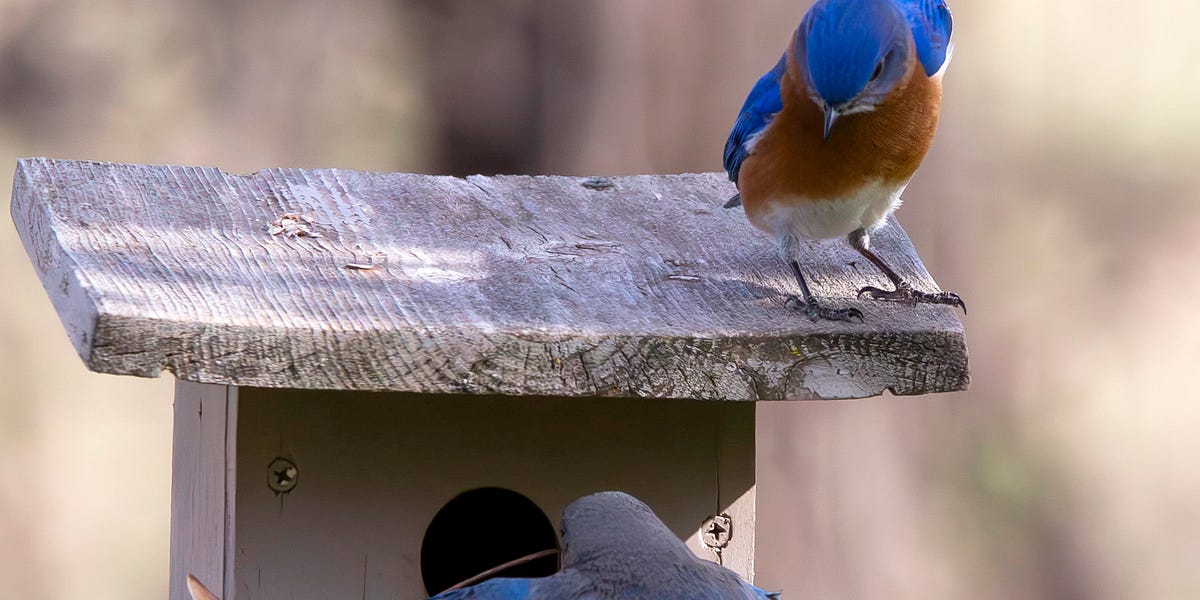
Credit: kellyjbostian.substack.com
Factors Affecting Height Choice
Choosing the right height for your bluebird house is more than just a number on a pole. Several factors influence this decision, each affecting the safety and success of the birds that will call it home. Understanding these factors helps you create an inviting and secure environment for bluebirds.
Predator Protection
Predators like cats, snakes, and raccoons pose a real threat to bluebird nests. Placing the house too low makes it easy for these animals to reach the nest. Ideally, mounting the house at least 4 to 6 feet off the ground can reduce the risk of predators climbing or jumping onto it.
Adding a predator guard or baffle below the house further improves safety. Have you noticed how some houses near trees attract more predators? Keeping the house away from branches or structures that predators can use as bridges also helps.
Visibility And Safety
Bluebirds prefer open spaces where they can spot threats early. Mounting the house too high or too low may reduce their ability to see approaching dangers. Placing the house around 5 feet off the ground in an open area strikes a balance between visibility and accessibility.
Think about your own experience watching birds—you likely notice them more when they’re within your line of sight. Clear sightlines allow bluebirds to feel safe and encourage nesting. Avoid placing houses near dense shrubs or clutter, which can limit visibility and increase risk.
Installation Tips
Installing a bluebird house at the right height and in the right way is essential for attracting bluebirds and keeping them safe. Proper installation not only protects the birds from predators but also ensures their comfort during nesting. Paying attention to the details of mounting and avoiding common errors can make a big difference in your success.
Mounting Options
You have several choices for mounting your bluebird house, each with its pros and cons. Pole mounting is popular because it keeps the house away from predators like cats and raccoons. Using a metal pole with a predator guard adds extra security.
Another option is mounting the house on a fence post or a tree. However, trees can be riskier since they provide easy access for snakes and squirrels. If you choose a tree, place the house on a smooth, predator-resistant surface and away from dense branches.
Consider the stability of your mounting option. A wobbly house can scare away bluebirds. Make sure the mount is sturdy enough to withstand wind and weather. Have you checked if your mounting spot faces open fields? Bluebirds prefer open spaces where they can spot insects easily.
Avoiding Common Mistakes
One common mistake is installing the house too low. Bluebird houses should be between 4 to 6 feet off the ground to balance safety and accessibility. Too low, and predators can reach it; too high, and bluebirds might avoid it.
Another error is placing the house near feeders or birdbaths. Bluebirds prefer quiet, undisturbed areas. Keep the house at least 20-30 feet away from these spots to reduce stress and competition.
Don’t forget to angle the entrance hole away from prevailing winds and direct sunlight. Too much sun can overheat the nest, while wind can disturb the birds. Have you noticed where the breeze usually comes from around your yard? Use that knowledge to position the house wisely.
Finally, avoid using paint or chemicals inside the house. Bluebirds prefer natural wood and clean air. Keeping the interior simple and clean will encourage them to make it their home.
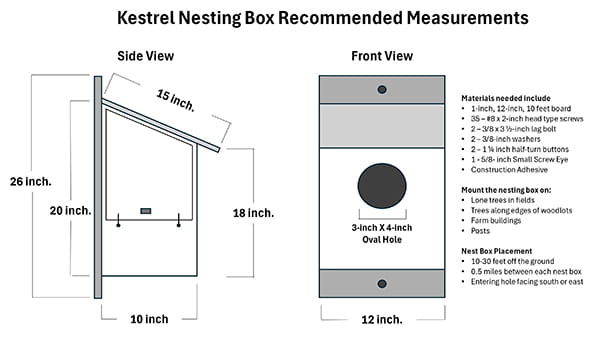
Credit: www.saskatchewan.ca
Monitoring And Adjustments
Keeping an eye on your bluebird house is key to ensuring it stays at the right height and location. Monitoring allows you to catch any issues early and make quick adjustments that keep bluebirds safe and comfortable. It’s not just about putting the house up once and forgetting it; small changes can make a big difference over time.
Signs To Reposition
Watch for signs that your bluebird house might need moving. If you notice predators like cats or snakes frequently near the box, it could be too low or in an unsafe spot. Also, if the house is shaded too much or gets soaked in rain, that’s a signal to adjust its height or angle.
Another clear sign is when the bluebirds themselves avoid the house or fail to nest. This could mean the box is too close to the ground or near too much human activity. Don’t hesitate to raise it higher or shift it to a quieter spot in your yard.
Seasonal Considerations
Seasons affect where and how high your bluebird house should be. In colder months, placing the box slightly lower and more sheltered can protect birds from harsh winds. During warmer seasons, higher placement with good airflow helps keep the nest cool.
Think about how the sun moves and where shade falls throughout the year. Adjusting the house a few inches or changing its orientation can improve comfort for the bluebirds. Have you checked your bluebird house’s position as seasons change?
Frequently Asked Questions
How High Should A Bluebird House Be Placed?
A bluebird house should be placed 4 to 6 feet above the ground. This height deters predators and provides an optimal view. Ensure the house is mounted on a pole or post for stability. Avoid placing it too low to prevent easy access by predators.
What Direction Should A Bluebird House Face?
Bluebird houses should ideally face east. This orientation protects the entrance from prevailing winds and harsh weather. An eastern-facing house also captures morning sunlight, which warms the birds. This direction helps create a welcoming environment for bluebirds.
Can Bluebird Houses Be Placed In Trees?
It’s best not to place bluebird houses in trees. Trees provide easy access for predators such as snakes and squirrels. Instead, mount the house on a pole or post in an open area. This setting provides safety and visibility for bluebirds.
How To Protect A Bluebird House From Predators?
Use predator guards on mounting poles to protect bluebird houses. These guards prevent snakes and raccoons from climbing. Ensure the house is at least 4 feet above the ground. Regularly monitor and maintain the house for any signs of predators.
Conclusion
Placing a bluebird house at the right height helps keep birds safe. About 4 to 6 feet above the ground works best. This height protects them from predators and gives easy access. Remember, a good home means happy bluebirds. Check your house often and keep it clean.
This way, you help bluebirds thrive in your yard. Simple steps make a big difference for these beautiful birds. Enjoy watching them build nests and raise their young. Bluebirds need our care, and the right house height is key.