Are you ready to add a touch of nature to your photography sessions? Creating a bird’s nest photography prop might be just the thing you need.
Imagine capturing stunning images with a rustic, natural feel that instantly draws the eye. With the right materials and a bit of creativity, you can make a beautiful prop that enhances your photos and brings out the charm in every shot.
This guide will walk you through each step, making it easy for you to craft your very own bird’s nest prop. By the end of this article, you’ll have a unique and enchanting addition to your photography toolkit. Curious to see how you can elevate your photography game? Let’s get started!
Materials Needed
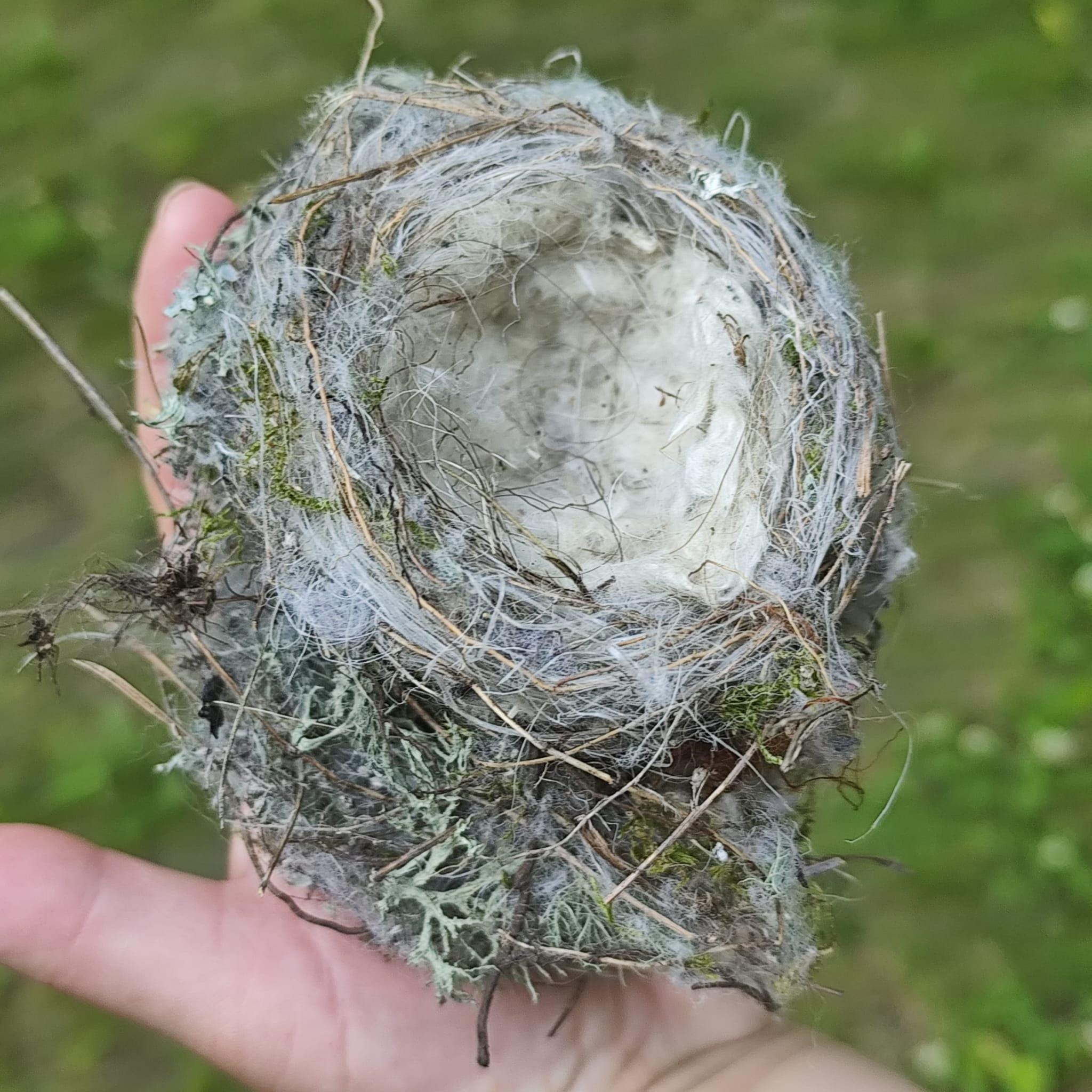
Gathering the right materials is the first step to creating a charming bird’s nest prop for your photography. The quality and choice of materials directly affect the authenticity and appeal of your final piece. Have you ever noticed how small details can make or break a prop’s realism?
Natural Twigs And Branches
Start with thin, flexible twigs. These form the base and structure of your nest. Look for twigs that are slightly curved and easy to bend without breaking.
You can find these in your backyard or local park. Avoid using freshly cut twigs as they might be too soft and prone to snapping during assembly.
Dried Grass And Moss
Dried grass adds texture and softness to the nest. Collect it from open fields or garden edges. Moss works well to fill gaps and give the nest a natural, earthy look.
Be sure the grass and moss are dry to prevent mold. If you don’t have access to natural sources, craft stores often sell realistic dried grass and moss.
Floral Wire And Hot Glue
Floral wire helps you secure the twigs and grass in place. Choose thin wire that is easy to twist but strong enough to hold the shape. Hot glue is excellent for attaching smaller pieces and reinforcing weak spots.
Both tools allow you to adjust and fix the nest as you build it. Have you used floral wire before? It’s a handy material for all sorts of crafts.
Soft Nesting Materials
- Feathers
- Yarn or cotton balls
- Small pieces of fabric
These materials create a cozy interior for your nest. They add softness and visual interest, making your prop look inviting and real. Pick colors and textures that complement your photography theme.
Decorative Eggs Or Faux Birds
Adding eggs or tiny bird figurines can bring your nest to life. You can buy realistic faux eggs at craft stores or make your own using clay or painted stones. Consider the size and color to match your nest’s style.
Have you thought about using themed eggs to tell a story in your photo? This small touch can make a big impact.
Credit: www.etsy.com
Step-by-step Construction
Creating a bird’s nest photography prop can add a charming and natural touch to your photos. Building it yourself lets you customize the size, shape, and materials to fit your style perfectly. Ready to get your hands a little messy and craft something truly unique?
Gathering Natural Materials
Start by collecting twigs, dried grass, and small branches. Look for materials with different textures and colors to make your nest look authentic. Avoid anything too brittle—flexible twigs work best and hold their shape easily.
Have you ever noticed how birds choose soft lining inside their nests? You can mimic this by adding moss or dried leaves at the end. These elements add depth and comfort, making your prop look more realistic.
Shaping The Base Structure
Use a circular mold or simply shape the twigs with your hands to form a sturdy base. Twist and weave the twigs around each other tightly to create a firm frame. Don’t rush this part; a solid base ensures your nest holds its shape during photoshoots.
If your twigs are too stiff, soak them in water for a few minutes to make bending easier. Have you tried gently heating them over a candle flame? It can make the twigs more pliable without breaking.
Adding Soft Lining And Details
Once the base is ready, layer your soft materials inside the nest. Place moss, feathers, or even cotton balls to create a cozy feel. This lining not only looks good but also cushions any props or subjects inside the nest.
Consider adding small decorative touches like faux eggs or tiny flowers to personalize your prop. What small detail could make your photos stand out and tell a story?
Securing The Nest For Stability
Use hot glue or floral wire to hold loose pieces in place. This keeps your nest intact through multiple shoots without falling apart. Be careful not to over-glue; you want the nest to maintain a natural look.
Try placing your finished nest on different surfaces like wood or moss to see how it interacts with the background. How does the nest’s stability change on uneven grounds? Testing this will save you surprises during your shoot.
Styling Tips For Realistic Look
Styling a bird’s nest photography prop to look real takes careful attention. Small details create natural charm and authenticity. Texture, color, and arrangement play key roles in achieving a lifelike appearance.
Using natural materials and subtle accents makes the nest believable. The goal is to mimic nature without overdoing it. Balance simplicity and detail to keep the nest visually appealing yet realistic.
Choose Natural Materials
Use twigs, dried grass, and small leaves for the base. These items add texture and depth. Avoid plastic or overly bright materials that look fake. Collect materials from outside or craft stores for best results.
Layer With Soft Elements
Add feathers, moss, or cotton to create softness inside the nest. This mimics the way birds line their nests for comfort. Place these materials loosely to avoid a crowded look.
Mix Colors Naturally
Combine browns, greens, and muted tones. Use subtle variations to reflect nature’s imperfect palette. Avoid bright or uniform colors that stand out unnaturally in photos.
Arrange With Care
Build the nest with a rounded shape and uneven edges. Let twigs stick out slightly to add realism. Avoid perfect symmetry; nature rarely forms perfect circles.
Add Small Details
- Place tiny eggs or seed pods inside the nest.
- Include small bits of bark or dried flowers.
- Lightly dust the nest with a bit of dirt or sand for texture.

Credit: www.amazon.com
Using The Nest In Photoshoots
Using the birds nest prop in photoshoots creates a soft, natural look. It adds charm and warmth to baby and nature-themed photos. The nest offers a cozy spot for subjects to rest, making photos more inviting and cute.
It works well with newborns, toddlers, and even small pets. The nest can highlight a theme of new life or springtime. Proper placement and lighting help the nest stand out in images.
Positioning The Nest For Best Angles
Place the nest on a flat surface for stability. Try different angles like top-down or side views. Use natural light from windows to brighten the nest. Avoid harsh shadows that hide details.
Adding Props To Enhance The Scene
- Soft blankets or moss inside the nest add texture.
- Small flowers or feathers create a delicate, natural feel.
- Neutral colors keep the focus on the nest and subject.
- Use simple props to avoid clutter in the photo.
Ensuring Safety And Comfort
Check the nest for sharp edges or loose pieces. Use soft padding inside to keep babies comfortable. Never leave a child unattended in the nest. Keep the setup clean and secure during the shoot.
Using Different Backgrounds
Try plain or nature-inspired backdrops to match the nest’s vibe. Wooden surfaces or grass mats work well. Avoid busy backgrounds that distract from the nest. Consistent colors help create a calm mood.

Credit: www.theinspirationalnook.com
Frequently Asked Questions
What Materials Are Best For Making A Bird’s Nest Prop?
Natural twigs, raffia, moss, and dried grass work best. These materials create an authentic, rustic look. Avoid synthetic items to keep the prop realistic and safe for photography.
How Do I Assemble A Bird’s Nest For Photography?
Start by shaping twigs into a circular base. Weave moss and raffia inside for texture. Secure with glue or floral wire. Let it dry before use to maintain shape.
Can I Customize The Bird’s Nest Size And Shape?
Yes, you can adjust size and shape easily. Use thicker twigs for larger nests and thinner ones for smaller props. Customize according to your photography theme or subject.
How To Keep The Bird’s Nest Prop Durable?
Use sturdy materials and secure them tightly. Apply a light spray of clear sealant to protect from moisture. Store the prop in a dry, cool place to maintain durability.
Conclusion
Creating a birds nest prop adds charm to your photography. It brings a natural, warm feel to your photos. You can use simple materials found at home or outside. Handmade props give your shots a personal touch. Practice making nests to improve your skills.
Enjoy the process as much as the results. This small effort makes your photos stand out. Try making different nest styles for variety. Your creativity turns simple props into beautiful art. Keep experimenting and have fun with your photography!