
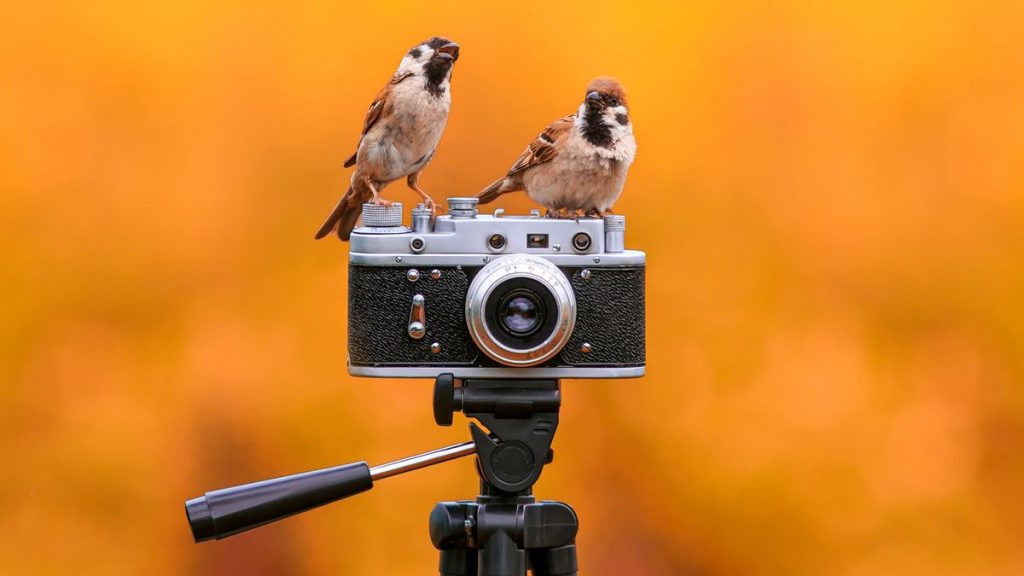
Are you struggling to capture sharp, stunning photos of birds in action? Using a tripod can change everything for your bird photography.
It helps you steady your camera, get clearer shots, and follow fast-moving birds with ease. But how do you use a tripod the right way to make your bird photos truly stand out? Keep reading, and you’ll discover simple tips and tricks that will instantly improve your shots and make your photography experience much smoother.
Your next great bird photo is closer than you think!

Credit: photzy.com
Choosing The Right Tripod
Choosing the right tripod can make or break your bird photography experience. It’s not just about holding your camera steady; it’s about matching your gear to your shooting style and environment. Think about where you’ll be shooting most often and what kind of birds you want to capture. This will help you decide which tripod suits you best.
Materials And Weight
The material of your tripod affects both its weight and durability. Aluminum tripods are common, affordable, and sturdy, but they can be heavy to carry all day. Carbon fiber tripods weigh less and absorb vibrations better, making them a favorite among bird photographers who hike long distances.
I once carried an aluminum tripod on a 5-mile trek and felt every ounce after a few hours. Switching to carbon fiber made a noticeable difference in my stamina and patience during long waits.
Ask yourself: How far will you travel with your tripod? If you hike often, lighter carbon fiber is worth the investment.
Height And Stability
Your tripod should comfortably reach eye level or higher without straining your back. A tripod that’s too short forces awkward angles and can tire you quickly. But height isn’t everything; stability is crucial when using heavy telephoto lenses.
Look for tripods with a solid base and thick legs that lock firmly in place. Some models feature spiked feet or rubber tips to grip different terrains better. If your tripod wobbles even slightly, your bird shots will blur at longer exposures.
Consider: Would you rather carry extra weight for stability, or risk shaky shots with a lighter setup?
Portability Considerations
Portability goes beyond weight. How compact your tripod folds and how easy it is to attach to your backpack matters. Some tripods fold into tight bundles or have detachable legs, making them easier to pack into small spaces.
Also think about the tripod head. Ball heads are lightweight and quick to adjust but may not lock as securely. Pan-tilt heads offer precise control but add bulk. I found that a versatile, lightweight ball head saved me time when birds appeared suddenly.
Reflect on your typical shooting spots: Will you be moving frequently or setting up in one place for hours? Your tripod’s portability should match your rhythm.

Credit: www.youtube.com
Setting Up Your Tripod
Setting up your tripod correctly is essential for sharp bird photography. A steady tripod keeps your camera stable during long waits and quick shots. Proper setup also helps you stay ready for sudden bird movements.
Take a moment to adjust your tripod before you start shooting. This ensures smooth operation and better photos. Follow these steps to set your tripod firmly and comfortably.
Leveling On Uneven Ground
Birdwatching spots often have uneven surfaces. Adjust tripod legs independently to keep it stable. Extend shorter legs more on slopes or rocks. Use the built-in bubble level if available. Make sure the tripod does not wobble before placing your camera.
Adjusting Height And Angles
Set the tripod height to match your shooting position. Lower the tripod for ground-level shots or raise it for eye-level views. Tilt the center column or tripod head to frame the bird perfectly. Avoid overextending legs for better stability. Keep the setup balanced to prevent tipping over.
Securing Your Camera
Attach your camera firmly to the tripod head plate. Use a quick-release plate for fast mounting and removal. Tighten all screws and locks to avoid camera shake. Check the camera’s position before focusing or zooming. A secure camera ensures crisp images even with long lenses.
Techniques For Sharp Bird Shots
Capturing sharp bird photos demands more than just setting your camera on a tripod. It requires fine-tuned techniques that reduce every bit of movement and ensure precise focus. These techniques help you freeze the beauty and details of birds even in challenging conditions.
Using Remote Shutter Release
Pressing the camera button can cause tiny shakes, blurring your shot. A remote shutter release lets you trigger the camera without touching it, eliminating this source of vibration.
Wireless remotes or wired cables both work well. Try using a timer if you don’t have a remote—it’s a simple trick that still helps reduce shake.
Have you noticed how much steadier your shots become when you don’t press the shutter directly? It makes a real difference in sharpness.
Minimizing Vibrations
Even the strongest tripod can transmit vibrations from wind or ground movement. Placing your tripod on solid, stable ground is key.
Adding weight to the tripod’s center column—like hanging your camera bag from it—helps steady the setup. Avoid extending the tripod’s center column fully; lower it for more stability.
Use a tripod with sturdy legs and rubber feet to reduce slipping. Have you tried shielding your tripod from wind using natural barriers like bushes or rocks?
Optimal Focus And Framing
Birds are often small and quick, so precise focus is essential. Use single-point autofocus to target the bird’s eye, where sharpness matters most.
Take time to compose your shot carefully. Leave space in the frame in the direction the bird is looking or flying to create balance.
Try manual focus if autofocus struggles with branches or leaves in the background. How often do you experiment with different focus modes to get the sharpest results?

Credit: www.youtube.com
Maintaining And Transporting Your Tripod
Keep your tripod clean and dry to avoid damage during bird photography trips. Carry it in a padded bag for easy transport and quick setup. Adjust legs carefully on uneven ground to maintain stability and capture sharp images.
Maintaining and transporting your tripod is crucial for ensuring its longevity and performance in bird photography. A well-cared-for tripod not only guarantees stability but also enhances your overall shooting experience. Let’s dive into some practical tips to keep your trusty tripod in top-notch condition.Cleaning After Outdoor Use
After a day of photographing birds in the wild, your tripod may be covered with dust, mud, or even saltwater. Begin by gently wiping it down with a damp cloth to remove surface dirt. For stubborn spots, a soft brush can help dislodge grime without scratching. Consider using compressed air to blow out any sand or grit trapped in the leg joints. This prevents wear and tear over time. Remember to dry off your tripod thoroughly to prevent rust, especially if you’ve been near water.Safe Carrying Tips
Transporting your tripod safely is just as important as cleaning it. Always use a dedicated tripod bag for travel. This not only protects the tripod but also makes it easier to carry. When hiking to your birding spot, securely attach the tripod to your backpack. Look for backpacks with built-in straps designed for tripods. This keeps your hands free and reduces the risk of accidental drops.Regular Maintenance
Regular maintenance ensures your tripod remains in excellent working condition. Check the tightness of screws and bolts periodically. Loose parts can lead to instability, which is the last thing you want when capturing that perfect shot. Lubricate any moving parts as needed. Use a silicone-based lubricant to keep joints smooth without attracting dust. Regularly inspecting and maintaining your tripod can save you from unexpected mishaps during your bird photography adventures. Taking these steps not only prolongs the life of your equipment but also keeps you ready for those spontaneous moments with nature. So, how will you ensure your tripod is adventure-ready for your next birding expedition?Frequently Asked Questions
How Do I Set Up A Tripod For Bird Photography?
To set up a tripod, extend its legs fully and lock them securely. Adjust the height to eye level and ensure stability on uneven ground. Attach your camera firmly to the tripod head and check for smooth movement to track birds easily.
What Is The Best Tripod Height For Bird Photography?
The ideal tripod height matches your eye level or the bird’s typical height. This helps capture natural angles and reduces strain. Adjustable tripods allow flexibility for different environments, enhancing your ability to photograph birds from various perspectives.
How Can I Stabilize My Tripod In Windy Conditions?
Use tripod leg weights or hang a heavy bag from the center column hook. Spread the legs wide for a stable base. Position the tripod low to the ground if possible. These steps prevent shaking and blur in your bird photos.
Which Tripod Head Is Best For Bird Photography?
A ball head or a pan-tilt head works best for bird photography. They offer smooth, quick adjustments to track moving birds. Choose a head that supports your camera weight and allows fluid, precise control for sharp images.
Conclusion
Using a tripod helps keep your camera steady and clear. It lets you focus on the bird without shaking. Adjust the height and angle for the best view. Practice setting it up quickly in different places. Patience is key to capturing great bird photos.
Keep trying, and your pictures will improve over time. A tripod makes bird photography easier and more fun. Give it a go on your next birdwatching trip. You will see the difference in your photos.