
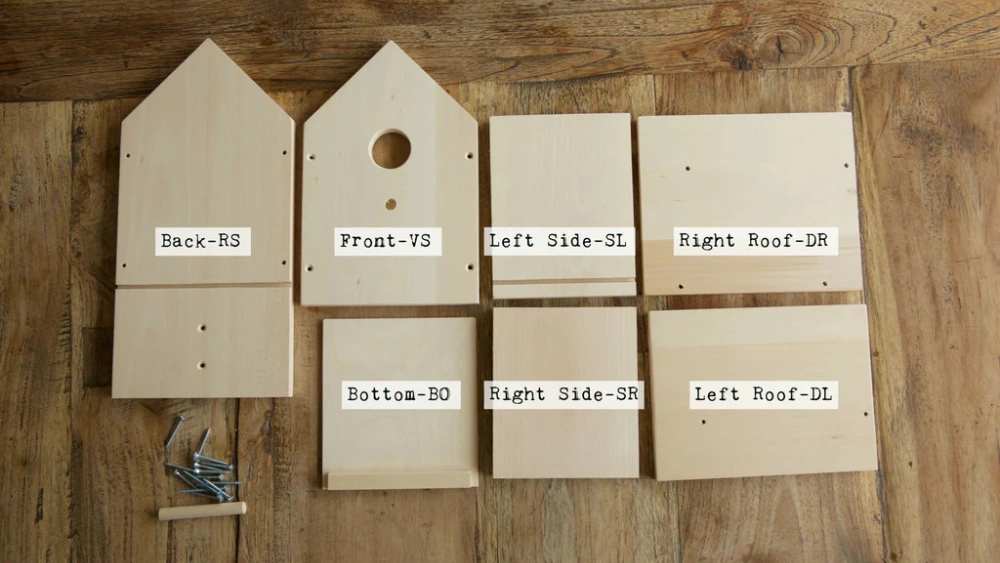
If you love watching birds build their nests, you can help them by putting out nesting material. But how do you do it right?
Giving birds the perfect materials at the right time can make all the difference. You’ll learn simple and effective ways to offer nesting supplies that birds will actually use. Keep reading to discover easy tips that will turn your yard into a cozy home for your feathered friends.
Choosing Safe Nesting Materials
Choosing safe nesting materials is key to helping birds build secure homes. Birds need soft, clean, and natural materials for comfort and protection. Providing the right materials supports their nesting success and health.
Some materials can harm birds or make nests unsafe. It is important to understand which options are safe and which to avoid. This guide explains natural and synthetic choices and highlights harmful substances.
Natural Vs Synthetic Options
Natural materials come from plants and animals. Examples include:
- Grass
- Leaves
- Feathers
- Wool
- Hair
- Tiny twigs
Natural materials are soft and breathable. Birds prefer these because they are familiar and safe.
Synthetic materials are man-made. Some examples are:
- String
- Plastic fibers
- Yarn
Synthetic options may cause problems. They can tangle birds or trap moisture. Use synthetic materials only if they are safe and clean.
Avoiding Harmful Substances
Some materials are dangerous to birds. Avoid anything with chemicals or sharp parts. These include:
- Plastic bags
- Fishing lines
- Metal wires
- Colored threads with dyes
- Sticky substances
Also, avoid materials treated with pesticides or chemicals. These can poison birds or their chicks.
Provide clean, dry, and natural materials. Change them often to keep nests safe and fresh.

Credit: www.howweplayandlearn.com
Best Locations To Place Materials
Choosing the right spot to place nesting materials helps birds find and use them easily. Birds prefer areas that feel safe and close to their homes. Placement affects how often birds visit and build nests.
Materials left in good locations attract more birds and support their nesting needs. Think about places where birds already spend time or feel protected from threats.
Near Birdhouses And Feeders
Birds visit birdhouses and feeders regularly. Placing nesting materials nearby makes it simple for them to collect what they need. It saves energy and time during nest building.
Keep materials within a few feet of the birdhouse or feeder. Avoid blocking entrances or paths. This helps birds stay safe and comfortable.
Sheltered And Quiet Spots
Birds prefer calm and protected areas for nesting. Choose spots shielded from strong wind, rain, and loud noises. These places feel safer and reduce stress for birds.
Look for spots under bushes, tree branches, or near walls. Avoid open spaces where birds may feel exposed to predators.
Timing For Offering Nesting Supplies
Timing is key when offering nesting materials to birds. Providing supplies too early or too late can reduce their usefulness. Birds begin preparing nests as temperatures rise and days grow longer. Recognizing this natural rhythm helps you support local bird populations effectively.
Spring And Early Summer Focus
Spring marks the start of nesting season for many birds. Early summer continues this busy period. Offer clean, safe materials during these months. Common nesting materials include soft grasses, feathers, and small twigs. Avoid sticky or synthetic items that can harm birds.
Keep supplies fresh and dry to attract birds. Place materials near existing nests or bird feeders. This increases the chance birds will find and use them. Timing your offerings to coincide with breeding seasons yields the best results.
Monitoring Bird Activity
Watch for signs that birds are building nests. Listen for increased bird songs and calls. Observe if birds carry twigs or grass to a specific spot. These behaviors suggest readiness to nest.
Adjust the amount of nesting material based on bird activity. Remove old or unused materials to avoid mold. Keep the area clean to prevent pests. Active monitoring helps you provide the right support at the right time.

Credit: www.amazon.com
Maintaining And Refreshing Materials
Keeping nesting materials in good condition is key to helping birds build safe and cozy homes. If you want birds to keep visiting your yard, you need to pay attention to the quality of what you offer them. Regularly checking and refreshing the materials can make a big difference in attracting and supporting local bird families.
Keeping Materials Dry And Clean
Wet or dirty nesting materials can harm birds by spreading bacteria or mold. Always store your supplies in a dry place before putting them out. If you notice materials are damp or covered in dirt, remove them immediately to protect the birds’ health.
Have you ever seen birds avoid a certain spot? It might be because their nesting materials were dirty or soggy. Keeping things clean shows you care and encourages birds to stay around.
Replacing Old Or Contaminated Supplies
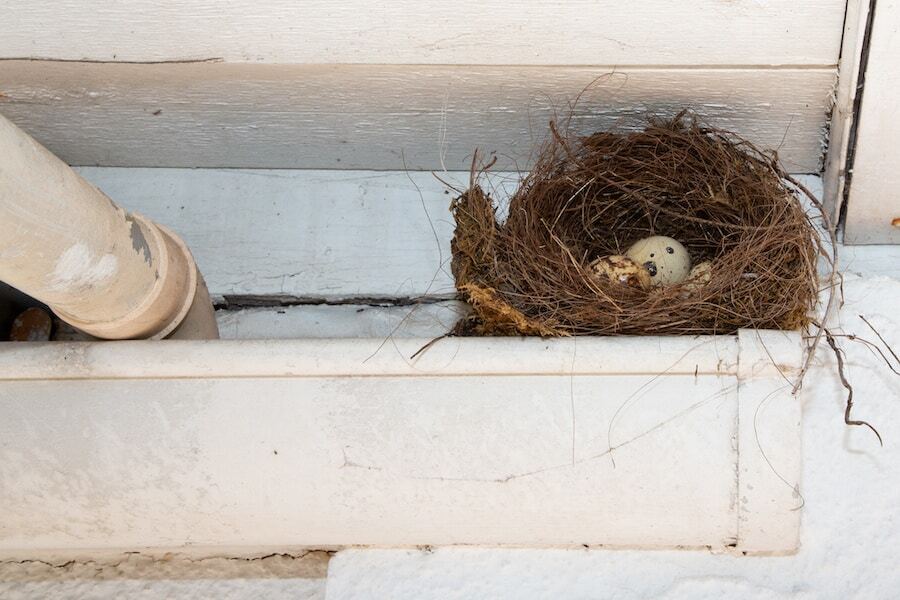
Over time, nesting materials can break down or become unsafe. Replace old supplies regularly to give birds fresh options. This helps prevent parasites and keeps nests sturdy and comfortable.
Try setting a schedule to check your nesting materials every few weeks. Swap out any worn or contaminated pieces with new ones. This small effort can lead to a big impact on the success of local bird families.
Credit: www.callnorthwest.com
Frequently Asked Questions
What Materials Are Safe For Bird Nesting?
Use natural fibers like cotton, wool, and dry grass. Avoid synthetic or treated materials. These are safe and easy for birds to use.
When Is The Best Time To Put Out Nesting Material?
Provide nesting materials early spring to early summer. This timing matches most birds’ breeding seasons, helping them build nests efficiently.
How Should I Place Nesting Material For Birds?
Scatter materials in small piles or hang in mesh bags. Place them near bird feeders or shrubs for easy access and safety.
Can Nesting Material Attract Unwanted Pests?
Yes, some materials can attract pests like rodents. Use clean, dry, natural fibers to minimize this risk and keep the area tidy.
Conclusion
Providing nesting material helps birds build safe homes. Soft twigs, dry grass, and feathers work well. Place materials where birds visit often. Avoid using anything sharp or harmful. Watch quietly from a distance to see birds gather. This simple act supports nature and brings joy.
Enjoy the beauty of birds building nests nearby. Small efforts can make a big difference for wildlife. Keep offering fresh materials through the nesting season. Nature’s helpers need our care and attention.