
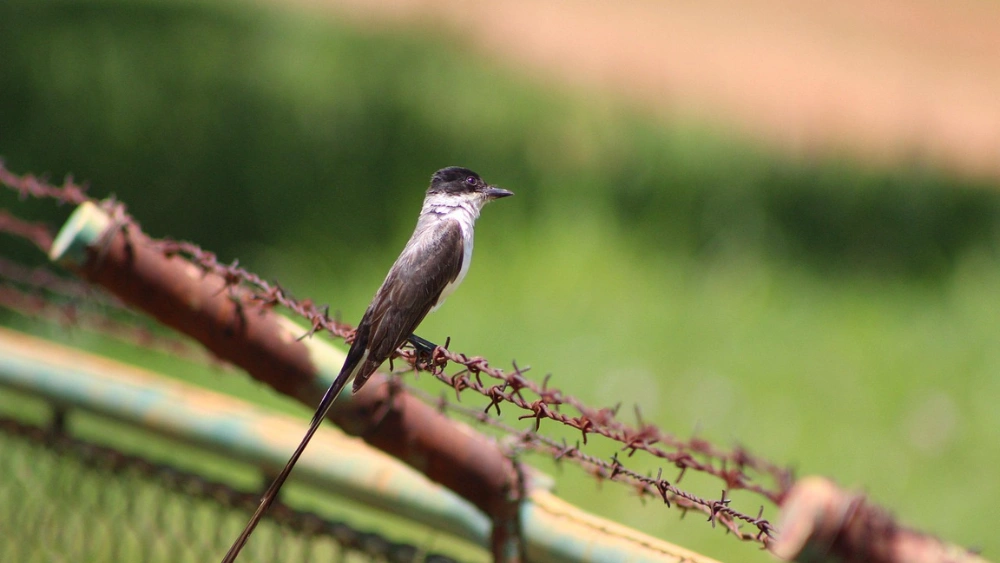
Are you tired of waking up to the sound of birds perching on your windowsill or balcony? Or perhaps you’re concerned about the mess they leave behind?
You’re not alone. Many people struggle with finding effective ways to keep birds from making themselves at home on their property. But imagine a world where you can enjoy your outdoor space without the constant presence of these feathered guests.
This guide is crafted just for you, offering practical and humane solutions to keep birds at bay. By the end of this article, you’ll have a toolkit of strategies that will not only protect your space but also bring you peace of mind. Ready to discover how you can transform your environment? Let’s dive in!
Common Bird Perching Spots
Birds are naturally drawn to certain spots around your home or garden to rest and observe their surroundings. These common perching locations offer them safety, food access, or a good vantage point. Knowing where birds like to perch is key to preventing unwanted visits and keeping your property clean and damage-free.
Why Birds Choose These Areas
Birds prefer high, stable spots where they feel secure from predators. Roof edges, window ledges, and gutters are popular because they provide a clear view of the area. Trees and shrubs near food sources also attract birds looking to rest between meals.
I once noticed birds frequently gathering on my outdoor light fixtures at dusk. The warmth from the bulbs and the height made those spots irresistible. Have you checked if your outdoor lights or vents might be inviting birds to linger?
Risks Of Bird Perching
Birds perching in unwanted spots can create several problems. Their droppings damage surfaces and create health risks by spreading bacteria and parasites. Nests in gutters or vents can block drainage or airflow, leading to costly repairs.
Besides property damage, bird presence can attract predators or pests like mites and ticks. Are you ready to protect your home from these hidden dangers by managing where birds perch?

Credit: www.amazon.ca
Physical Deterrents
Physical deterrents offer a direct way to stop birds from perching on your property. These tools work by making surfaces uncomfortable or inaccessible for birds. They provide a long-term, low-maintenance solution. You can find options that suit different types of buildings and budgets. Choosing the right physical deterrent depends on the area you want to protect and the bird species involved.
Bird Spikes And Nets
Bird spikes are strips with sharp, pointed rods. They stop birds from landing on ledges, roofs, and signs. Spikes do not harm birds but make perching hard and uncomfortable. Installing these spikes is quick and easy. They blend well with most building materials.
Bird nets create a barrier over large areas. Nets keep birds away from gardens, balconies, and open spaces. They prevent birds from entering and nesting in protected zones. Nets come in different sizes and strengths to suit various birds. Proper installation ensures no gaps where birds can sneak in.
Sloped Surfaces And Wire Systems
Sloped surfaces cause birds to slide off and avoid perching. Simple modifications like angled ledges work well on flat surfaces. These changes are invisible and keep the building’s look intact. Birds find it hard to balance on slopes.
Wire systems use thin, tensioned wires above surfaces. Birds cannot land because the wires move under their weight. The wires are almost invisible from a distance. This system works well on narrow ledges and signs. It requires professional setup for best results.
Visual And Sound Deterrents
Visual and sound deterrents offer practical ways to keep birds from perching on your property without causing harm. These methods can be simple to set up and often use birds’ natural instincts to create discomfort or confusion. The key is to create an environment that feels unsafe or unpleasant for birds, encouraging them to move on.
Reflective Objects And Decoys
Reflective objects like old CDs, aluminum foil strips, or specially designed bird scare tape catch sunlight and create flashes that birds dislike. These sudden glimmers make birds uneasy, prompting them to avoid the area.
Decoys such as plastic owls or hawks can also be effective if placed strategically. Birds recognize these predators and steer clear, but you need to move the decoys regularly to keep birds from getting used to them.
Have you noticed how birds behave differently around shiny surfaces or fake predators? Trying a mix of these can help you find what works best for your space.
Ultrasonic Devices And Noise Makers
Ultrasonic devices emit sounds at frequencies birds find annoying but are mostly inaudible to humans. These devices can cover a wide area and are easy to install, making them a popular choice.
Noise makers like wind chimes, bells, or automated sound devices produce unpredictable sounds that disturb birds’ comfort. The key is variety—repetitive noises can lose their effect over time.
Think about how sudden noises affect your own sense of calm. Birds experience similar stress, which discourages them from settling nearby. Combining sound with visual deterrents often yields better results.

Credit: www.solutionsstores.com
Maintenance And Habitat Modification
Keeping birds from perching around your home can be a challenge, but maintaining your property and adjusting the habitat can make a big difference. Birds look for easy access to food and comfortable spots to rest. If you change these conditions, you reduce their interest in your space.
Removing Food Sources
Birds are drawn to areas where food is plentiful. Make sure to clean up fallen fruit, seeds, and crumbs regularly. If you have bird feeders, consider relocating them away from areas you want to keep bird-free.
Also, secure trash bins tightly and avoid leaving pet food outside. Have you noticed how much less active birds are after you remove these easy meals? It really shows how food availability controls their behavior.
Trimming Trees And Shrubs
Birds love dense trees and shrubs because they offer shelter and nesting spots. By trimming branches and thinning out dense foliage, you make your yard less inviting. Focus on cutting back areas close to your roof, windows, and patios.
Keeping plants well-maintained not only helps reduce bird perching but also improves airflow and sunlight. Have you tried pruning stubborn shrubs and noticed an immediate drop in bird visits? It’s a small effort with visible results.

Credit: www.amazon.in
Frequently Asked Questions
How Can I Stop Birds From Perching On My Balcony?
Install bird spikes or bird wire on balcony rails. These physical barriers prevent birds from landing and roosting. Regular cleaning and removing food sources also discourage birds from perching.
What Are The Best Bird Deterrents For Homes?
Effective deterrents include bird spikes, reflective tape, and ultrasonic devices. Visual scare tactics like fake predators can also help. Choose methods safe for birds and the environment.
Why Do Birds Perch On Certain Spots?
Birds perch for rest, safety, and to scout for food. They prefer stable, elevated spots with good visibility. Removing attractive features can reduce perching in unwanted areas.
Are Bird Spikes Harmful To Birds?
No, bird spikes are humane and prevent perching without harming birds. They create an uncomfortable landing surface, encouraging birds to move elsewhere safely.
Conclusion
Keeping birds from perching protects your property and keeps it clean. Simple tools like spikes, nets, or reflective tape work well. Regular checks help spot new problems early. Stay patient; results take time. Small efforts add up to big changes.
A bird-free space feels safer and looks better. Try different methods to find what fits best. Your home deserves a tidy, peaceful environment.