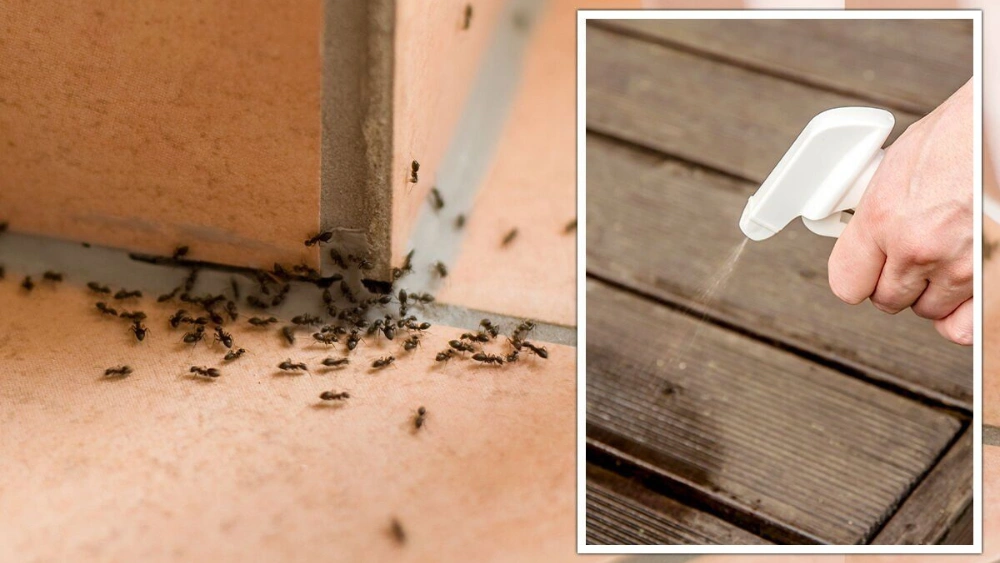
Are tiny ants taking over your bird cage, leaving you frustrated and your feathered friend annoyed? You’re not alone.
Many bird owners face this pesky problem, but the good news is there are effective solutions. Imagine a peaceful environment where your bird can thrive without the nuisance of ants. In this blog post, you’ll discover simple, actionable steps to evict those unwelcome guests from your bird’s home for good.
Ready to reclaim your space and ensure your bird’s comfort? Let’s dive in and explore how to keep your bird cage ant-free, creating a safer and happier habitat for your cherished pet.

Credit: birdsupplies.com
Identify Ant Entry Points
Identifying where ants enter your bird cage is the key to stopping them effectively. Without knowing their entry points, your efforts to keep ants away might only be temporary. Look closely and you’ll often find tiny gaps or trails that ants use to sneak in.
Check The Cage Base And Corners
Ants love narrow cracks and crevices. Inspect the bottom of your bird cage carefully, especially the corners where food crumbs tend to gather. Even a small gap between the cage base and the tray can be an open invitation for ants.
Have you noticed ants marching straight toward a specific corner? That’s your clue to a possible entry point. Seal these gaps with non-toxic materials safe for your bird.
Examine The Cage Stand And Surrounding Area
Sometimes ants don’t enter directly through the cage but come up the stand or nearby surfaces. Look for ant trails leading from the floor or walls to the cage stand. Cleaning these areas regularly can remove scent trails ants follow.
Think about where you place your bird cage. Is it near a window sill or door with cracks? These spots often serve as highways for ants.
Follow Ant Trails To Their Source
If you spot ants, try to follow their line of movement carefully. Ants leave a chemical trail that they use to return to their nest or food source. This trail often leads right to the entry point you need to block.
Use a flashlight during low light to spot hidden trails more easily. Noticing this pattern early can save you time and effort in your ant control.

Credit: www.chewy.com
Safe Cleaning Techniques
Keeping your bird’s cage clean without harming your feathered friend is essential when dealing with ants. Safe cleaning techniques help remove ants and prevent future infestations while ensuring your bird stays healthy and stress-free. You want methods that are effective but gentle enough to protect your pet’s environment.
Use Mild, Bird-safe Cleaning Solutions
Choose cleaning products made specifically for bird cages or natural options like diluted vinegar or mild dish soap. Harsh chemicals can leave residues that are toxic to birds, so avoid bleach or strong disinfectants. Diluted vinegar not only cleans but also repels ants without risking your bird’s health.
Remove Food And Water During Cleaning
Always take out your bird’s food and water dishes before cleaning the cage. Ants are attracted to leftover crumbs and moisture, so cleaning these areas thoroughly helps eliminate their food source. This simple step cuts down ant activity and creates a less inviting environment.
Clean All Cage Accessories Thoroughly
Take out perches, toys, and dishes and wash them separately with warm soapy water. Ants often hide in cracks or crevices of cage accessories, so scrubbing these areas ensures no ants or eggs remain. Let everything dry completely before placing it back to avoid mold growth.
Use Natural Barriers To Keep Ants Out
Applying a thin layer of food-grade diatomaceous earth around the base of the cage can create a safe barrier. This natural powder kills ants by dehydrating them but is harmless to birds when used properly. It’s an effective, chemical-free way to protect your bird’s home without stress.
Natural Ant Repellents
Natural ant repellents offer a safe way to keep ants away from your bird cage. They avoid harmful chemicals that might hurt your pets. Using natural substances helps maintain a clean and healthy environment for your birds.
These repellents use scents or textures ants dislike. They create a barrier ants avoid crossing. You can use items found in your home or garden.
Using Vinegar To Deter Ants
Vinegar has a strong smell ants hate. Mix equal parts of water and vinegar in a spray bottle. Spray around the bird cage base and nearby areas. The smell confuses ants and stops them from coming near.
Sprinkling Cinnamon Powder
Cinnamon acts as a natural ant barrier. Sprinkle cinnamon powder around the cage stand and corners. Ants avoid crossing cinnamon lines. It also adds a pleasant smell to the room.
Applying Lemon Juice
Lemon juice disrupts ant scent trails. Squeeze fresh lemon juice and apply it near the cage. Wipe down surfaces with lemon juice to keep ants away. The acidity makes ants lose their way.
Using Diatomaceous Earth
Diatomaceous earth is a natural powder that kills ants. Sprinkle a thin layer around the cage area. It damages ants’ exoskeletons without harming birds. Replace the powder after cleaning.
Planting Mint Near The Cage
Mint leaves repel ants naturally. Place fresh mint leaves around the cage base or in small pots nearby. Ants dislike the strong mint scent. It also freshens the air near your birds.
Credit: www.chewy.com
Frequently Asked Questions
How Do Ants Get Into A Bird Cage?
Ants are attracted to food and moisture inside the cage. They enter through small gaps or openings seeking crumbs and water.
What Natural Methods Repel Ants From Bird Cages?
Use vinegar or lemon juice spray around the cage base. Cinnamon and diatomaceous earth also act as safe ant deterrents.
Is It Safe To Use Ant Bait Near Bird Cages?
Avoid chemical baits near birds; they can be toxic. Opt for bird-safe natural repellents or clean food debris regularly.
How Can I Prevent Ants From Invading Bird Cages?
Keep the cage clean and dry. Place the cage on ant-proof stands and remove leftover food immediately.
Conclusion
Ants in bird cages cause stress for birds and owners. Keeping the cage clean stops ants from coming. Use safe, natural methods to remove ants. Check food and water dishes often. Seal any cracks or holes near the cage. Regular cleaning helps keep ants away for good.
Your bird will stay happier and healthier. Small steps bring big results in pest control. Stay patient and consistent with your efforts. Ants won’t stand a chance in your bird’s home.