
Have you ever paused to listen to the cheerful songs of birds outside your window? Perhaps you’ve marveled at their vibrant colors as they flit from tree to tree.
Birds are fascinating creatures, each species with its unique charm. But have you ever wondered where they truly feel at home? Understanding bird habitats is the key to protecting these incredible creatures and ensuring their songs continue to fill the air.
You’ll discover the diverse environments birds call home and why these places are crucial for their survival. Get ready to explore how you can play a part in preserving these vital spaces.
Types Of Bird Habitats
Birds live in a variety of habitats, each offering unique resources and challenges. Understanding these habitats helps you appreciate how different species survive and thrive. Let’s look closely at the main types of bird habitats and what makes each one special.
Forests And Woodlands
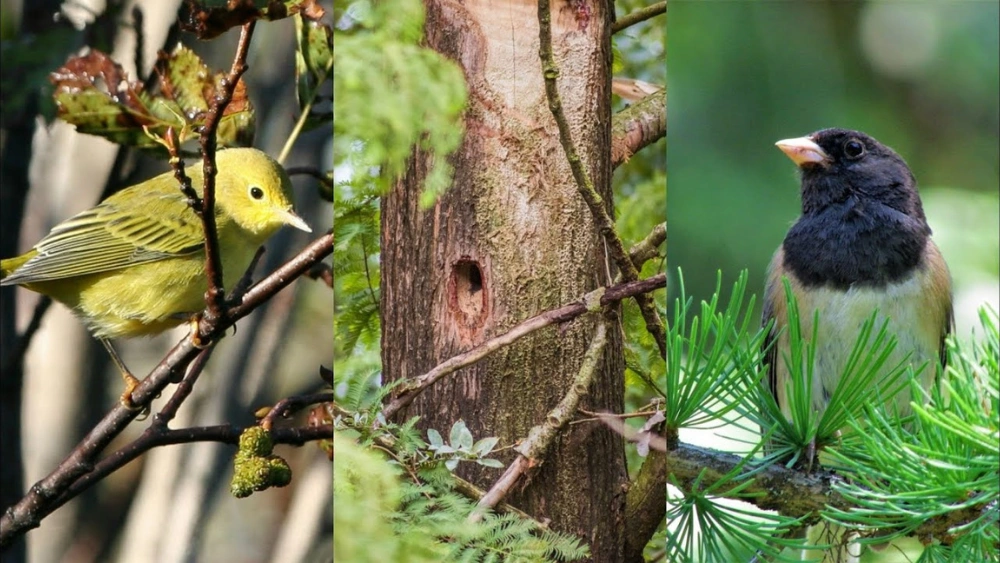
Forests and woodlands provide birds with plenty of shelter and food. You’ll find woodpeckers tapping on tree trunks and warblers flitting among the leaves. These habitats offer layers of vegetation, from the canopy to the forest floor, supporting diverse bird communities.
Have you ever noticed how some birds build nests high in the trees while others prefer the underbrush? This vertical space use reduces competition and helps many species coexist.
Wetlands And Marshes
Wetlands and marshes are rich with water and plant life, attracting birds like herons, ducks, and kingfishers. These areas serve as breeding grounds and feeding sites, especially for waterfowl and wading birds.
Think about the last time you saw a bird hunting along the water’s edge. Their ability to navigate shallow waters and muddy banks is key to their survival in these habitats.
Grasslands And Prairies
Open grasslands and prairies offer expansive spaces where birds such as meadowlarks and sparrows thrive. These habitats are ideal for ground-nesting birds who rely on tall grasses for cover.
Have you ever wondered how these birds protect their nests from predators in such open areas? Their success often depends on camouflage and staying still.
Deserts And Scrublands
Deserts and scrublands may seem harsh, but they support specialized birds adapted to dry conditions. Roadrunners and cactus wrens are examples of species that manage to find food and shelter here.
What strategies do you think birds use to cope with extreme heat and scarce water? Many are active during cooler parts of the day and have efficient water conservation methods.

Credit: www.allaboutbirds.org
How Birds Adapt To Their Homes
Birds show incredible skill in adjusting to their surroundings. Their homes aren’t just shelters; they shape how birds live, eat, and move. Understanding how birds adapt to their habitats helps you see their world from a closer angle.
Nesting Strategies
Birds choose nesting spots carefully to protect their eggs and chicks. Some build nests high in trees to avoid ground predators. Others, like the ground-nesting plovers, blend their nests into sandy or rocky environments for camouflage.
Have you ever noticed how woodpeckers carve holes in tree trunks? This behavior creates a safe space free from many predators. Nest materials also vary: some use twigs and leaves, while others add mud or feathers to adjust insulation and safety.
Feeding Habits
Feeding habits are closely linked to where birds live. Birds in wetlands might eat fish or insects found near water. Seed-eating birds develop strong, thick beaks to crack tough shells.
Think about hummingbirds visiting your garden. Their long, narrow beaks are perfect for sipping nectar from flowers. This shows how their food source shapes their physical traits and daily habits.
Migration Patterns
Many birds move seasonally to find better living conditions. These migrations depend on their habitat’s climate and food availability. Some travel thousands of miles to warmer areas during winter.
Have you wondered how birds know when and where to fly? They use natural cues like daylight length and magnetic fields. Understanding these patterns can inspire you to observe seasonal changes in your own backyard.
Threats To Bird Habitats
Bird habitats face many threats that put bird populations at risk. These dangers affect where birds live, find food, and raise their young. Understanding these threats helps protect birds and their homes.
Habitat Loss And Fragmentation
Bird habitats shrink as forests, wetlands, and grasslands are cleared. Cities, farms, and roads break large habitats into smaller parts. Fragmented habitats make it hard for birds to find food and mates. Many birds struggle to survive in small, isolated areas.
Pollution And Climate Change
Pollution harms birds by contaminating water, air, and soil. Chemicals can poison birds or reduce the insects they eat. Climate change shifts weather patterns and seasons. Birds may lose their nesting sites or food sources. Some cannot adapt quickly to these changes.
Invasive Species
Non-native plants and animals can take over bird habitats. Invasive species compete for food and nesting space. Some may prey on eggs or young birds. This disrupts the balance of the ecosystem. Native birds often lose out in these battles.

Credit: smallfarms.cornell.edu
Protecting Bird Ecosystems
Protecting bird ecosystems is essential for maintaining the balance of nature and supporting biodiversity. Birds rely on specific habitats for food, shelter, and breeding. When these habitats are threatened, bird populations suffer, and the entire ecosystem can be disrupted.
Conservation Efforts
Conservation efforts focus on safeguarding bird habitats from destruction and pollution. You can support protected areas such as national parks and wildlife reserves, where birds find safe spaces to thrive. Organizations often monitor bird populations to identify species at risk and take action to prevent further decline.
Have you ever visited a bird sanctuary? Seeing birds in their natural environment highlights why conservation matters so much.
Habitat Restoration
Restoring damaged habitats gives birds a chance to return and flourish. This can involve planting native trees, cleaning wetlands, or removing invasive species that harm the ecosystem. Even small projects like creating backyard bird gardens help rebuild vital habitats.
Imagine turning a neglected patch of land into a vibrant space full of bird songs. What simple steps could you take in your community to help?
Community Involvement
Your participation can make a real difference in protecting bird ecosystems. Joining local clean-up events, reporting bird sightings, or advocating for green spaces encourages wider action. Educating others about the importance of birds inspires collective responsibility.
What if your neighborhood became known as a bird-friendly area? Small actions from people like you add up to big changes for birds and their habitats.
Credit: learn.birdscanada.org
Frequently Asked Questions
What Types Of Habitats Do Birds Live In?
Birds live in diverse habitats like forests, wetlands, grasslands, deserts, and urban areas. Each habitat offers unique food and shelter.
How Do Bird Habitats Affect Bird Behavior?
Bird habitats influence feeding, nesting, and migration patterns. Birds adapt their behavior to survive and reproduce in specific environments.
Why Are Wetlands Important Bird Habitats?
Wetlands provide food, water, and breeding grounds. They support many bird species, especially waterfowl and migratory birds.
How Do Urban Habitats Impact Bird Populations?
Urban habitats offer food and nesting sites but pose risks like pollution and collisions. Some birds adapt well, others struggle.
Conclusion
Birds live in many different places, from forests to deserts. Each habitat gives them food, shelter, and safety. Protecting these homes helps birds survive and thrive. Humans play a key role in keeping habitats healthy. Small actions can make a big difference for birds.
Learning about bird habitats grows our respect for nature. Let’s care for the places birds call home every day. Their survival depends on us all.