
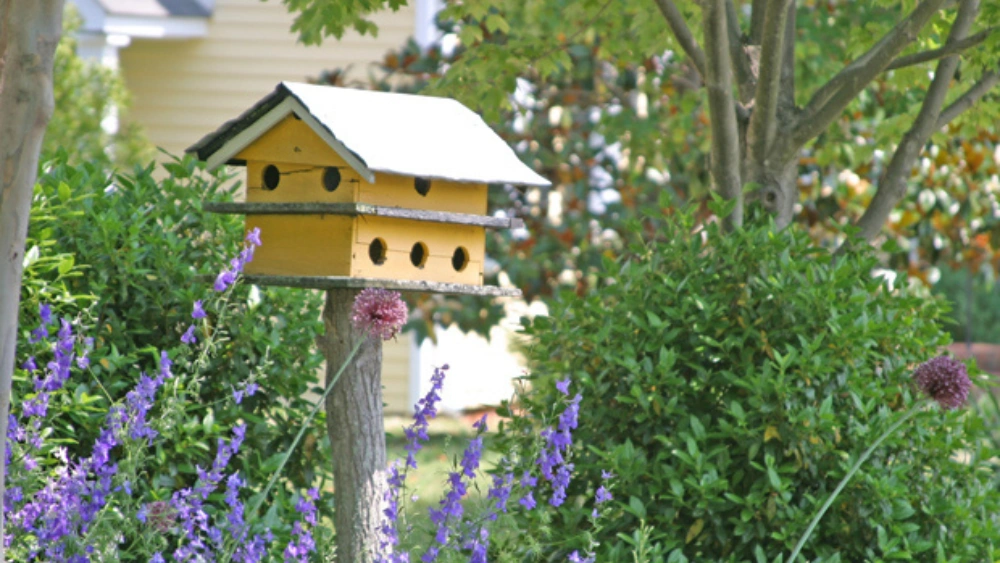
Imagine stepping into your garden and being greeted by the melodious songs of birds. Creating a bird habitat is not only a gift to nature but also a delightful way to bring life and vibrancy to your outdoor space.
Have you ever wondered how to make your garden a haven for birds? You’re in the right place. This guide will walk you through the simple steps to attract and nurture these feathered friends. Whether you have a sprawling garden or a cozy balcony, you can transform your space into a thriving bird sanctuary.
Get ready to discover how easy it is to plant a bird habitat that will have your garden chirping with joy. Let’s dive in and start making your garden a true paradise for birds.

Credit: www.birdcount.org
Choosing The Right Location
Choosing the right location is key to creating a thriving bird habitat. Birds need a place that meets their basic needs. The area should provide food, safety, and comfort. Selecting a spot carefully helps attract a variety of birds. It also ensures they stay and nest in your habitat.
Assessing Sunlight And Shelter
Birds need sunlight for warmth and energy. Choose a location with morning sun and afternoon shade. This balance keeps birds comfortable throughout the day. Look for natural shelter like trees or shrubs nearby. These protect birds from wind and harsh weather. Shelter also offers safe spots for resting and nesting.
Considering Water Sources
Water is essential for birds’ survival. Pick a site close to a clean water source. It can be a birdbath, pond, or shallow dish. Water encourages birds to visit and stay longer. Make sure water is fresh and changed regularly. Avoid stagnant water that can attract pests or cause illness.
Avoiding Predators And Hazards
Safety is crucial for attracting birds. Avoid areas near busy roads or places with many cats. Predators can scare birds away or harm them. Keep feeders and nests out of reach from predators. Remove any harmful chemicals or plants nearby. A safe location helps birds feel secure and build homes.
Selecting Native Plants
Selecting native plants plays a key role in creating a thriving bird habitat. Native plants are adapted to the local climate and soil. They support local wildlife better than exotic plants. These plants provide natural food, shelter, and nesting resources for birds. Choosing the right native species helps birds survive through all seasons. It also encourages biodiversity in your garden or yard.
Attracting Food Sources
Native plants offer the best food for birds. Many birds rely on native seeds, berries, and nectar. These foods are easier for birds to digest and provide proper nutrition. Plant a mix of flowering plants, shrubs, and trees. This variety creates a steady food supply during different seasons. For example:
- Sunflowers for seeds
- Serviceberries for fruit
- Milkweed for nectar
Providing Nesting Materials
Birds need materials to build strong nests. Native plants provide twigs, leaves, and soft fibers. These materials help birds create safe homes for their young. Include plants with fine leaves or peeling bark. Some plants drop seed fluff or silky fibers. These act as soft lining for nests. Planting a range of shrubs and grasses supports diverse nesting needs.
Ensuring Year-round Interest
Choose native plants that offer benefits all year. Evergreens provide shelter in winter. Plants with seasonal flowers attract pollinators in spring and summer. Fruit-bearing shrubs supply food in fall and winter. This continuous availability helps birds survive through harsh weather. Planning for year-round interest keeps your bird habitat active and inviting.
Creating Water Features
Water features attract birds by providing a vital source of hydration and bathing. Birds need clean, fresh water to stay healthy and active. Creating water spots in your garden invites birds to visit and stay longer.
Water also helps birds cool off during hot days. The sound and movement of water catch their attention. Different water features suit various garden sizes and styles.
Building Birdbaths
Birdbaths offer easy access to water for many bird species. Choose shallow bowls or basins with smooth edges. Keep the water depth around 1 to 2 inches to prevent drowning.
- Place birdbaths in open areas for bird safety.
- Use sturdy materials like stone, ceramic, or metal.
- Add small stones or pebbles for birds to perch on.
Position birdbaths near shrubs or trees for quick escape routes. Move them occasionally to avoid predators learning their location.
Adding Ponds Or Drippers
Ponds create natural habitats that attract diverse bird species. Even small ponds with plants offer food and shelter. Use native aquatic plants to support insects and other wildlife.
Drippers or misters provide moving water, which birds prefer. The gentle sound of dripping water draws birds from far away. Install drippers above birdbaths or near feeders to keep water fresh.
- Choose solar-powered pumps for energy efficiency.
- Position drippers where birds can easily drink and bathe.
- Ensure water flow is gentle, not too strong.
Maintaining Clean Water
Clean water prevents diseases and keeps birds healthy. Change water every 2 to 3 days, more often in hot weather. Scrub birdbaths and ponds to remove algae and dirt.
- Use a brush or sponge without chemicals.
- Remove leaves, debris, and mosquito larvae regularly.
- Place water features where sunlight helps slow algae growth.
Proper water care encourages frequent visits by birds. It also supports breeding and feeding in your bird habitat.
Credit: www.birdcount.org
Maintaining Your Habitat
Maintaining your bird habitat keeps it safe and inviting for birds all year. Regular care helps plants grow strong and birds stay healthy. Small actions make a big difference in creating a thriving space for wildlife.
Seasonal Care Tips
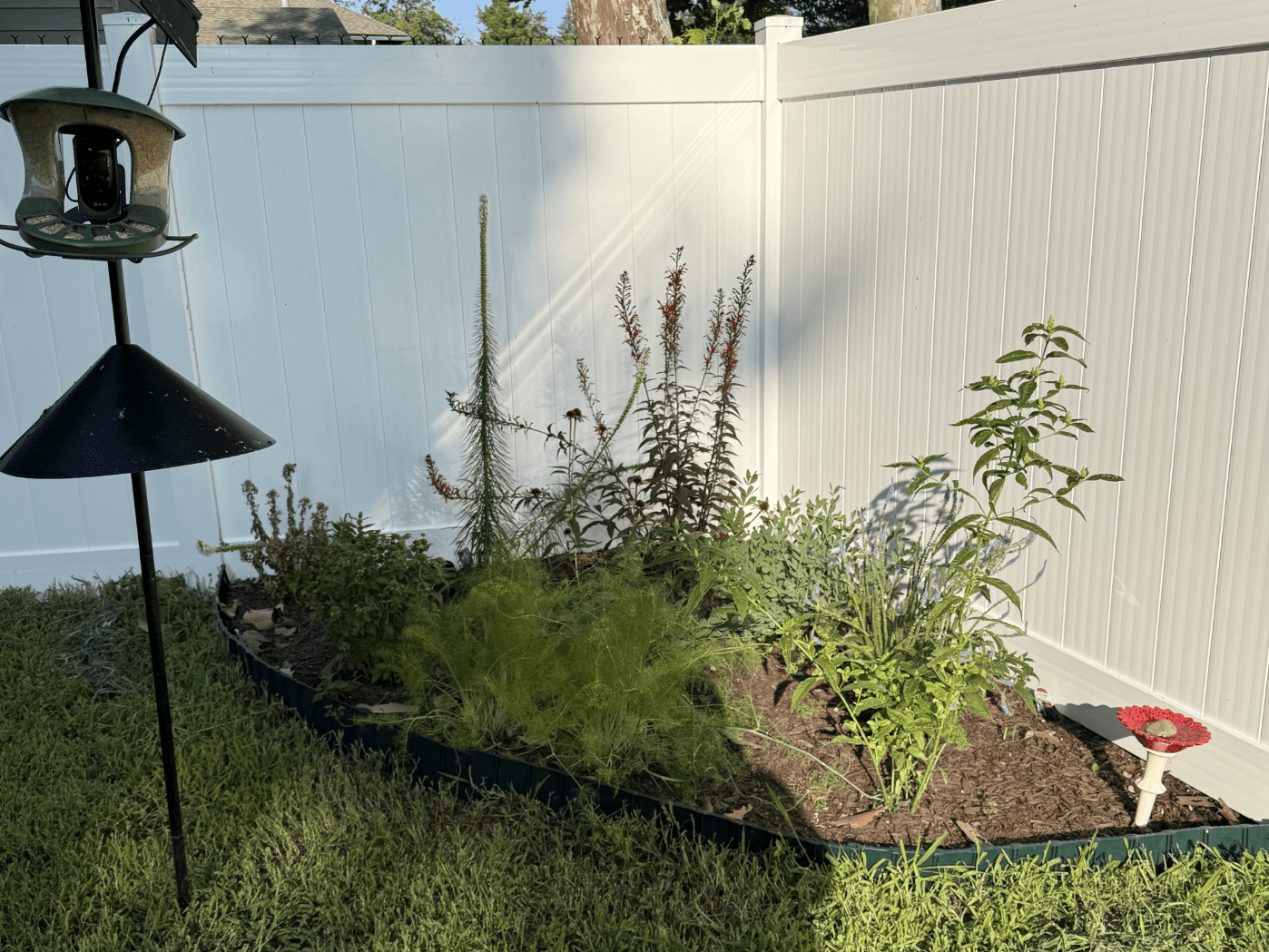
Each season needs different care to keep your habitat lively. In spring, plant native flowers and shrubs for food and shelter. Summer requires regular watering, especially during dry spells. Fall is a good time to clear dead plants and add fresh mulch. Winter needs protection for delicate plants and checking bird feeders for food.
Monitoring Bird Activity
Watch which birds visit your habitat and note changes in numbers. Use a simple notebook or app to track sightings. Look for signs of nesting or feeding habits. This helps you understand if your habitat meets their needs. Spot problems early, like pests or predators, and act quickly.
Avoiding Harmful Chemicals
Skip pesticides and herbicides to protect birds and insects. Use natural ways to control pests, like planting herbs that repel bugs. Avoid chemical fertilizers that can harm the soil and water. Choose organic compost and mulch instead. Keeping your habitat chemical-free ensures a safe home for wildlife.

Credit: www.birdsandblooms.com
Frequently Asked Questions
What Plants Attract Birds To A Habitat?
Native plants with berries, seeds, and nectar attract birds. Examples include coneflowers, sunflowers, and dogwoods. These provide food and shelter for various bird species.
How Do I Create A Safe Bird Habitat?
Avoid pesticides and provide natural cover like shrubs and trees. Include birdhouses and water sources. Keep cats indoors to protect birds from predators.
What Water Sources Are Best For Birds?
Shallow birdbaths with clean water are ideal. Moving water like fountains attracts more birds. Change water frequently to prevent mosquito breeding.
When Is The Best Time To Plant For Bird Habitats?
Early spring or fall is best for planting. These seasons allow plants to establish roots before extreme weather. Planting at these times supports bird food availability year-round.
Conclusion
Creating a bird habitat helps nature thrive right in your yard. Plant native trees, shrubs, and flowers to provide food and shelter. Keep water sources clean and easy to reach. Small changes make a big difference for birds and your environment.
Enjoy watching colorful birds visit and hear their songs daily. Your efforts support wildlife and bring calm to your space. Start planting today and see how nature grows closer to home.