
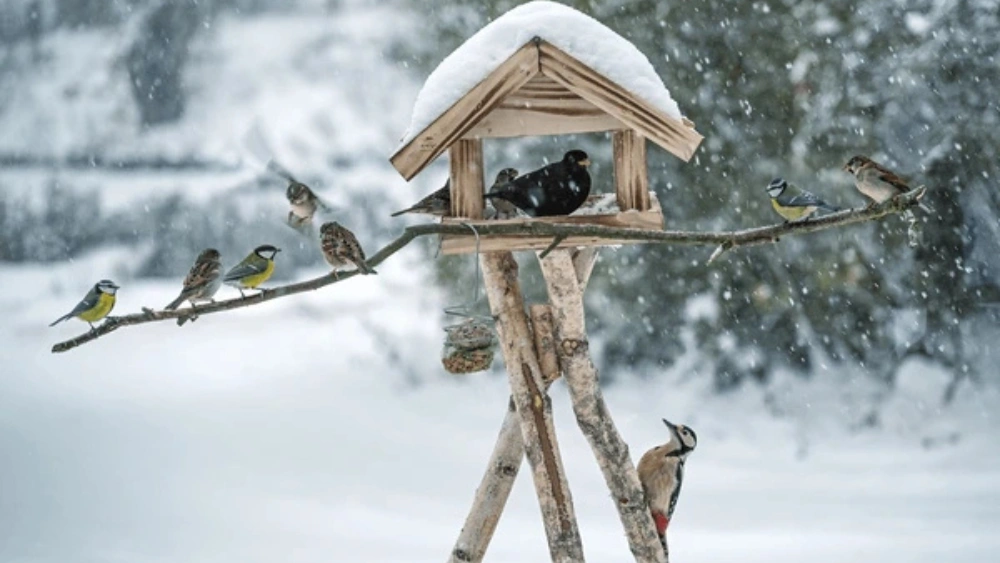
Winter can be a tough time for wild birds. As the days grow colder and food becomes scarce, these feathered friends need a little extra help to make it through the chilly months.
But here’s the good news: you have the power to make a difference right in your backyard. By creating a cozy winter habitat, you can provide wild birds with the shelter and nourishment they need to thrive. Imagine the joy of watching colorful birds flutter about, knowing you’ve played a part in their survival.
Ready to transform your outdoor space into a haven for birds this winter? Let’s dive in and discover how you can make a real impact, one birdhouse at a time.

Credit: petsweekly.com
Choosing The Right Location
Choosing the right location for your winter bird habitat is crucial to ensure the birds find it safe, warm, and inviting. The spot you pick can make a big difference in how well birds survive the cold months. Think about where birds naturally seek refuge during winter and try to match those conditions in your chosen area.
Safe Shelter Spots
Look for places that offer natural cover like dense shrubs, evergreen trees, or thick hedges. These spots provide birds with protection from harsh weather and help them feel secure. Avoid open areas where birds are exposed and vulnerable.
Placing feeders or birdhouses near such natural shelters encourages birds to visit and stay longer. Have you noticed how birds quickly flock to bushes after landing? That’s their instinct to find safety.
Avoiding Predators
Keep your bird habitat away from places where cats, raccoons, or other predators can easily hide. Avoid placing feeders too close to the ground or near structures that predators can use to jump onto birds.
Try to position bird feeders at least 5 feet off the ground and away from low branches. This simple step can significantly reduce the risk of attacks. Remember, a safe habitat means more frequent visits from your feathered friends.
Sunlight And Wind Protection
Birds need warmth during cold days, so choose a location that gets plenty of sunlight, especially in the morning. Sunlight helps birds warm up quickly after chilly nights.
At the same time, shield the habitat from strong winds by placing it near natural windbreaks like fences, walls, or dense vegetation. This protection reduces heat loss and keeps birds comfortable.
Have you observed how birds huddle on the sunny side of trees or buildings? You can replicate this pattern by carefully selecting your habitat’s location to maximize sunlight and minimize wind exposure.

Credit: fountainful.com
Selecting Materials For Habitat
Choosing the right materials is key to building a safe winter habitat for wild birds. The materials must protect birds from cold, wind, and wet weather. They should also be easy to find and work with. This section guides you in selecting natural and synthetic materials, picking good insulation, and making the habitat waterproof.
Natural Vs Synthetic Options
Natural materials blend well with the environment and provide good shelter. Wood, bark, pinecones, and dried leaves are great choices. They offer warmth and a familiar feel for birds.
Synthetic materials like plastic or foam can last longer and resist moisture. They are easy to clean but may not be as eco-friendly. Use them carefully to avoid harming birds or the environment.
Insulating Materials
Insulation keeps birds warm during freezing nights. Soft materials like straw, hay, and shredded paper work well. Avoid cotton or wool; they hold moisture and can freeze.
Feathers and dry moss also make good insulation. Place these inside the habitat walls or floor for extra warmth.
Waterproofing Tips
Keeping the habitat dry is vital for bird safety. Use natural oils or beeswax to seal wooden surfaces. These help repel water without toxic effects.
Cover the roof with bark strips or shingles to stop rain from getting inside. Ensure the habitat has small drainage holes to let out any trapped water.
Building Simple Bird Shelters
Building simple bird shelters helps wild birds survive cold winter days. These shelters provide warmth and protection from wind and snow. Creating these habitats is easy and fun. You can use materials found around your home or garden. These shelters also attract birds to your yard, giving you a chance to watch them safely.
Diy Nest Boxes
DIY nest boxes offer a safe place for birds to rest and hide from harsh weather. Use untreated wood to build a small box with a roof and entrance hole. Make sure the hole size fits the type of bird you want to attract. Place the box high on a tree or pole, away from predators. Drill small drainage holes at the bottom to keep water out. Avoid painting the inside to keep it natural and safe.
Brush Piles And Bundles
Brush piles and bundles create natural shelters for small birds. Collect small branches, twigs, and leaves to form a pile in a quiet corner of your yard. Tie bundles of twigs together and hang them in trees or shrubs. These structures offer hiding spots from wind and cold. Birds can also use them for nesting in early spring. Keep the piles away from heavy foot traffic to avoid disturbing the birds.
Using Recycled Materials
Recycled materials can make excellent bird shelters and reduce waste. Use old wooden crates, milk cartons, or clay pots to build simple shelters. Cut entrance holes in containers and add small holes for drainage. Line the inside with dry leaves or straw for extra warmth. Place these shelters in sheltered spots, like under eaves or thick bushes. Always clean and dry recycled items before use to keep birds safe.
Maintaining And Monitoring
Maintaining and monitoring your winter habitat ensures wild birds stay safe and comfortable. Regular care keeps the shelter clean and ready for cold days. Watching bird activity helps you understand their needs and improve the habitat.
Regular Cleaning
Clean the habitat every few weeks. Remove old nesting materials and droppings. Use warm water and mild soap to wash surfaces. Rinse well to avoid harmful residues. Dry the area completely before birds return. Clean shelters prevent diseases and attract more visitors.
Checking For Damage
Inspect the habitat often for cracks or loose parts. Fix broken pieces to keep the shelter sturdy. Replace worn-out materials like wood or fabric. Secure the roof and walls to protect birds from wind and rain. A strong habitat lasts through harsh winter weather.
Observing Bird Activity
Watch how birds use the habitat daily. Note which birds visit and when. Look for signs of nesting or feeding inside. Track changes in bird numbers over time. Use this information to add food or improve shelter features. Observing helps create a better home for wild birds.

Credit: underatinroof.com
Frequently Asked Questions
What Materials Are Best For Building Bird Winter Shelters?
Use natural materials like wood, straw, pine cones, and dry leaves. These provide insulation and protection against cold and wind. Avoid plastic as it traps moisture and harms birds.
How Can I Keep Wild Birds Warm In Winter?
Provide insulated birdhouses and dense brush piles. Offer fresh water and high-energy food like seeds and suet. Shelter helps birds conserve energy and survive harsh weather.
Where Should I Place A Winter Bird Habitat?
Place habitats in quiet, sheltered areas away from predators and strong winds. Near trees or shrubs is ideal for protection and easy bird access.
What Plants Attract Wild Birds In Winter?
Plant native evergreens, berry-producing shrubs, and seed-bearing plants. These offer food and shelter, supporting birds through cold months.
Conclusion
Creating a safe winter habitat helps wild birds survive cold months. Small changes in your yard can make a big difference. Provide shelter, food, and water to support their needs. Birds will visit more often and stay healthy. Watching them brings joy and teaches care for nature.
Start with simple steps and enjoy the quiet beauty of winter wildlife. Every effort helps these small creatures through tough times. Keep your space welcoming and safe all season long.