
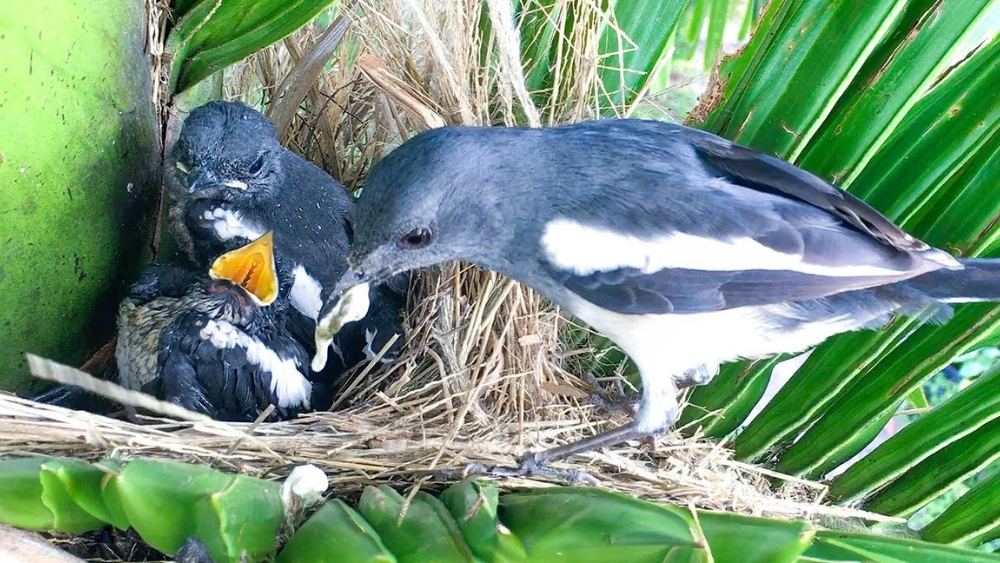
Ever glanced up at a nest and wondered, “How long until baby birds leave the nest?” You’re not alone.
Many people are curious about these tiny creatures and their fascinating journey from the nest to the skies. Understanding this process not only satisfies your curiosity but also deepens your connection with nature. Imagine the joy of witnessing a baby bird take its first flight, knowing you understand the intricate process behind it.
Stay with us as we unravel the secrets of this remarkable transition, providing you with insights that will make you appreciate every chirp and flutter.
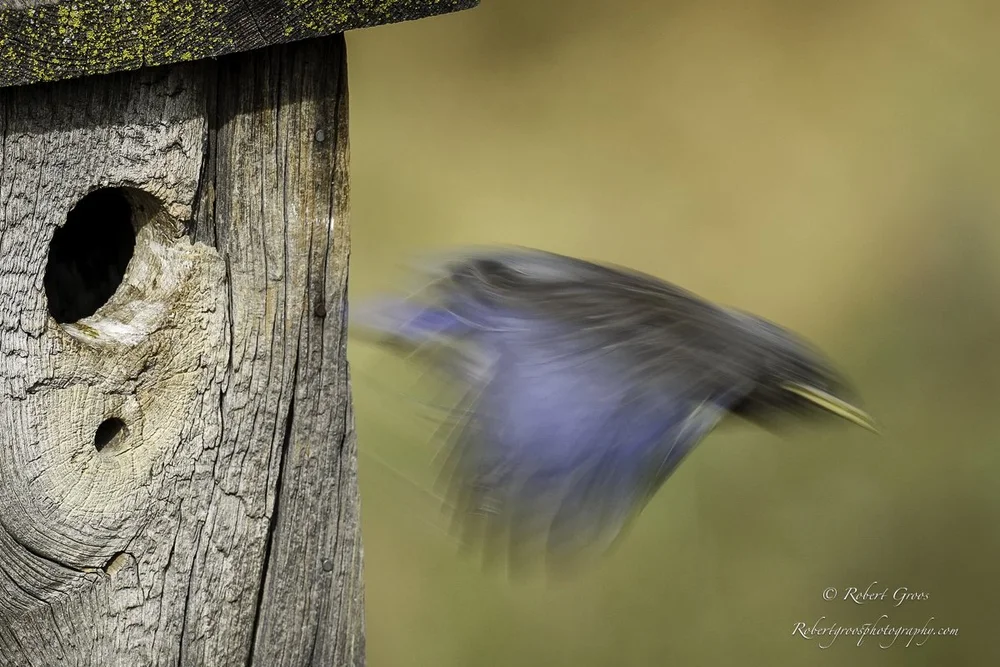
Credit: www.robertgroosphotography.com
Nestling Stage Duration
The nestling stage is a crucial time for baby birds. This period starts right after hatching and lasts until the young birds can leave the nest. The length of this stage varies between species but usually lasts from one to several weeks. During this time, nestlings grow quickly and develop skills needed to survive outside the nest.
Growth Milestones
Baby birds grow fast during the nestling stage. Their feathers start as soft down and slowly become stronger. Their eyes open within a few days, and they begin to respond to sounds and movements. Nestlings learn to control their muscles for balance and movement. By the end of this stage, they can flutter their wings and prepare to fly.
Parental Care
Parents work hard to keep nestlings safe and fed. They bring food many times each day, often insects or worms. Parents keep the nest warm by sitting on the babies, especially in cold weather. They also protect the nest from predators. This care ensures the nestlings grow healthy and strong enough to leave the nest.

Credit: swibirds.org
Fledging Process
The fledging process marks a critical phase in a baby bird’s life. It’s when the chick prepares to leave the safety of the nest and face the world on its own. This stage involves several important steps that help the young bird gain strength, coordination, and independence.
First Flights
Baby birds don’t take off for long flights immediately. Their first flights are short and cautious, often just hopping from one branch to another nearby. These initial flights build confidence and muscle strength.
You might wonder how long it takes before these first flights turn into strong, sustained flying. It varies by species, but usually happens within a week or two after leaving the nest. Watching these early attempts, you can see the bird’s determination and growing skill.
Learning To Feed
Leaving the nest doesn’t mean baby birds can feed themselves right away. They often rely on their parents for food as they learn to find and eat it independently. This stage can last several days to weeks.
Parents teach their young how to hunt or forage, showing what to eat and how to catch it. If you observe closely, you’ll notice the baby bird’s increasing ability to handle food, signaling progress toward full independence.
Factors Affecting Nest Departure
Several factors influence how long baby birds stay in the nest. These factors affect their growth, safety, and readiness to fly. Understanding these helps us know more about bird behavior and development.
Species Differences
Different bird species have unique growth rates and nesting habits. Some birds leave the nest within two weeks. Others may stay for over a month. Larger birds usually take longer to develop. Smaller birds grow fast and become independent sooner. Nest departure time depends on the species’ life cycle and survival strategy.
Environmental Influences
Weather conditions impact how long baby birds remain in the nest. Cold or rainy weather can delay their growth. Food availability also plays a key role. When food is scarce, parents may feed chicks less often. This slows their development. Safe and quiet surroundings encourage earlier nest leaving. Predators nearby can cause earlier fledging as a survival response.
Signs Baby Birds Are Ready To Leave
Watching baby birds grow is a fascinating experience, especially as they approach the moment to leave the nest. But how can you tell when they’re truly ready to take that leap? Recognizing the signs that baby birds are prepared to leave helps you understand their development and ensures you don’t interfere at the wrong time.
Behavioral Changes
One clear sign your baby birds are ready to leave is a shift in their behavior. They start showing more independence, such as practicing short flights or hopping around the edges of the nest. You might notice them begging less frequently for food, signaling they are ready to feed themselves.
They also become more alert and curious about their surroundings. If you see them flapping their wings vigorously or exploring nearby branches, it’s a good indicator they’re gearing up to leave. Have you ever watched a baby bird hesitate just before its first flight? That moment tells you they are almost ready.
Physical Development
Physical growth plays a big role in readiness to leave the nest. Baby birds develop strong, fully grown feathers that are essential for flying. Their wing muscles become noticeably stronger, allowing them to flap with more power and control.
Look for feathers that cover their entire body, including tail feathers, as this means they have the insulation and balance needed for life outside the nest. If their legs and feet seem sturdy and capable of gripping branches, they are physically prepared to explore the world beyond their home.

Credit: m.youtube.com
Frequently Asked Questions
How Long Do Baby Birds Stay In The Nest?
Baby birds usually stay in the nest for 2 to 3 weeks. This period varies by species and environmental conditions. During this time, they grow feathers and learn basic survival skills before fledging.
When Do Baby Birds Start To Fly?
Most baby birds start flying between 2 to 4 weeks old. This stage is called fledging, where they develop wing strength and coordination. Parents often continue feeding and protecting them during this transition.
What Factors Affect When Birds Leave The Nest?
Factors include species type, weather, food availability, and predator presence. Health and growth rate also impact timing. These elements influence when baby birds are ready to leave the nest safely.
How Can I Tell If Baby Birds Are Ready To Leave?
Look for fully grown feathers and strong wing movements. Baby birds will also show curiosity about their surroundings. If they attempt short flights, they are likely ready to leave the nest.
Conclusion
Baby birds leave the nest after weeks of growth and care. Each species has its own timeline, but most leave between two to six weeks. Parents teach them how to find food and fly during this time. Watching this process helps us understand nature better.
Remember, patience is key when observing baby birds. Their journey from nest to sky is truly amazing. Keep enjoying the wonders of wildlife around you.