

If you love watching birds visit your garden, adding a swing just for them can bring extra joy and charm. Imagine seeing colorful birds happily hopping onto a little swing you made yourself.
It’s easier than you think, and you don’t need fancy tools or materials. In this guide, you’ll discover simple steps to build a safe, fun swing that will attract more feathered friends to your backyard. Ready to create a playful spot that birds will love?
Let’s get started!

Credit: www.youtube.com
Choosing The Right Materials
Choosing the right materials is key to building a safe and lasting bird swing. Birds are sensitive, so every part should be gentle and secure. The materials must resist weather and wear. They also need to be free from harmful chemicals. Careful selection protects birds and keeps the swing strong over time.
Safe Wood Options
Use natural, untreated wood for the swing. Avoid woods that contain toxins or chemicals. Cedar and pine are good choices because they are light and safe. Hardwoods like maple or oak last longer but may be heavier. Sand the wood smooth to stop splinters. Never use pressure-treated wood, as it can be harmful to birds.
Non-toxic Paints And Finishes
Choose paints and finishes that are safe for animals. Look for water-based or non-toxic labels. Avoid paints with lead or strong chemicals. Use light colors that do not attract too much heat. Apply thin coats and let each dry completely. This prevents harmful fumes and protects the wood from weather.
Durable Ropes And Hardware
Pick ropes that are strong and weather-resistant. Cotton ropes are soft but may rot fast outside. Synthetic ropes like nylon last longer but check for bird safety. Use stainless steel or brass hardware to avoid rust. Ensure all hooks and rings close tightly. Loose parts can injure birds or cause the swing to fall.
Credit: www.gardeningknowhow.com
Designing The Perfect Swing
Designing the perfect swing for birds involves thoughtful choices. A well-designed swing offers both fun and comfort. It encourages natural movement and keeps birds happy.
Size And Shape Considerations
Choose a size that fits your bird’s species. Small birds need smaller swings; larger birds need bigger ones. The shape matters too. Circular or oval swings suit most birds well. Avoid sharp edges or tight spaces that can hurt your bird.
Comfort Features For Birds
Soft materials make swings cozy. Use natural wood or smooth rope to avoid splinters. Add gentle textures for birds to grip easily. Some birds enjoy a slight cushion or padding on the seat. Ensure materials are safe and non-toxic.
Balancing Stability And Movement
The swing must move freely but stay stable. Too much wobble can scare birds. Too little motion makes the swing boring. Use strong, secure hanging points. Check that ropes or chains hold steady but allow smooth swinging.
Step-by-step Assembly
Creating a bird swing is a rewarding project that brings joy to your feathered friends and adds charm to your outdoor space. The assembly process is straightforward if you prepare carefully and follow clear steps. Let’s walk through how you can build a sturdy, safe swing that birds will love.
Cutting And Preparing Materials
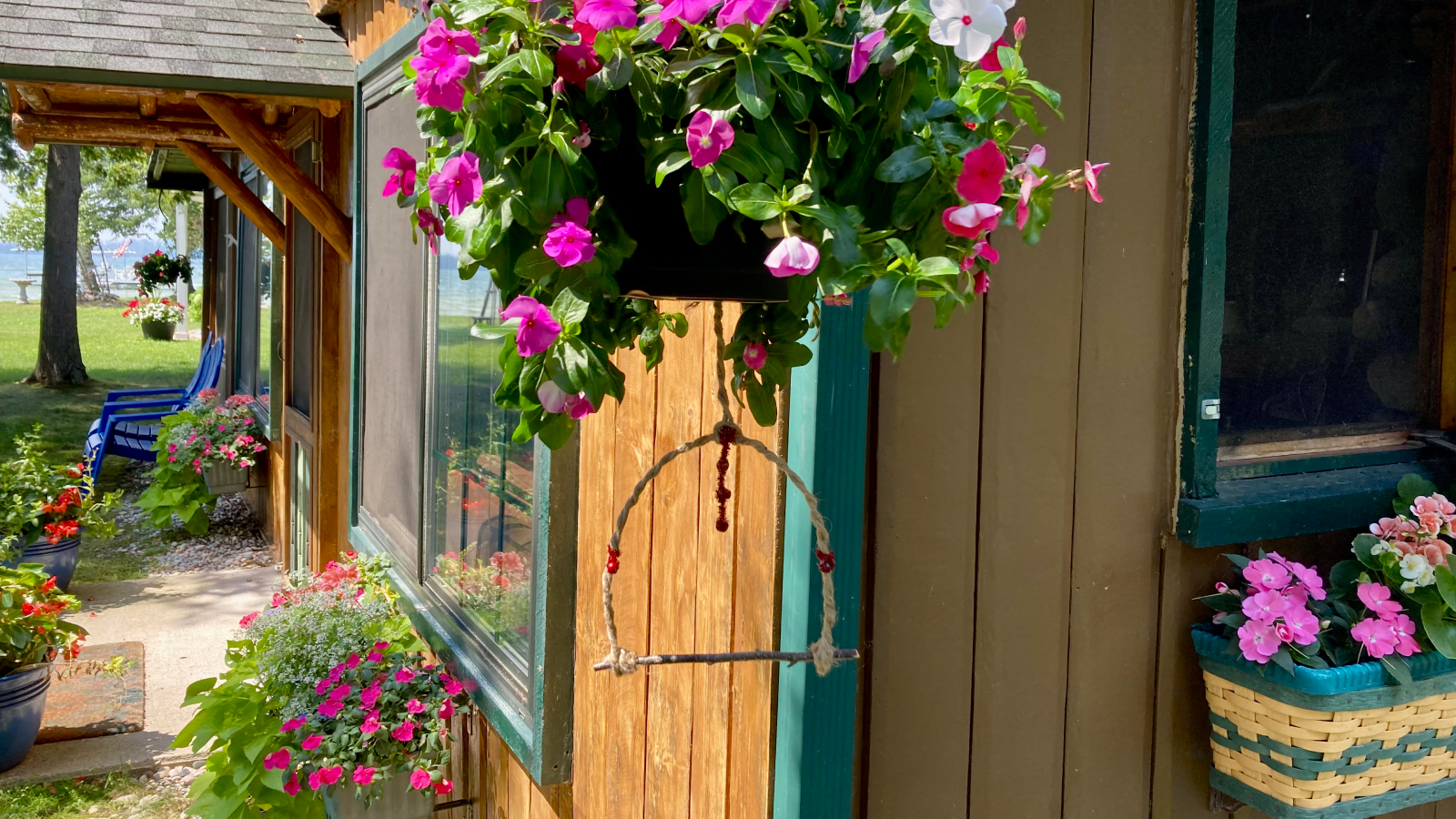
Start by selecting the right materials: a smooth wooden dowel or branch for the seat, and natural fiber rope to hang the swing. Avoid treated wood or synthetic ropes that may harm birds.
Cut the wood to about 10-12 inches long. Sand the edges and surface until smooth to prevent splinters. Cut two lengths of rope, each about twice the height of the area where you’ll hang the swing. This gives you enough rope to tie knots securely.
Assembling The Swing Frame
Lay the wooden dowel flat. Attach the ropes at each end by wrapping them around the wood firmly.
- Loop the rope around the dowel twice for extra strength.
- Use a clove hitch or double knot to secure it tightly.
- Make sure both sides are even so the swing hangs level.
Have you checked if the swing moves freely without rubbing ropes? This can affect how comfortable it feels for birds.
Attaching Ropes Securely
Next, find a sturdy branch or hook to hang your swing. Tie the top ends of the ropes firmly using a strong knot, like a bowline or figure-eight knot. These knots hold well under tension and won’t slip.
Test the swing by gently pulling down to ensure it supports weight without loosening. Adding a small bead or knot just above the wooden seat can stop the ropes from sliding through.
Would you consider adjusting the rope length to give your birds the best swinging height? Keeping it accessible but safe from predators is key.

Credit: www.youtube.com
Installing And Maintaining The Swing
Installing and maintaining a bird swing is more than just hanging it up and forgetting about it. Proper placement and routine care ensure your feathered friend stays safe and happy while enjoying their new perch. Let’s look at how you can set up the swing securely and keep it in top shape over time.
Safe Placement In Birdcage Or Outdoor Area
Choose a spot where your bird has plenty of room to swing without bumping into cage bars or other toys. Avoid placing the swing near food and water dishes to keep those areas clean. If the swing is outdoors, pick a shaded area to protect your bird from direct sunlight and harsh weather.
Think about how your bird moves. Are they agile or a bit clumsy? Positioning the swing at a comfortable height can prevent injuries. Make sure it’s securely attached to avoid accidents during play.
Regular Cleaning Tips
Bird swings can get dirty quickly from droppings, feathers, and natural oils. Clean the swing at least once a week using mild soap and warm water. Avoid harsh chemicals that might harm your bird.
Remove the swing from the cage or hanging spot, scrub gently, rinse thoroughly, and let it dry completely before putting it back. This routine prevents bacteria buildup and keeps the swing fresh for your bird.
Inspecting For Wear And Tear
Check the swing’s ropes, chains, and attachments regularly. Look for frayed edges, rust, or loose parts that could be dangerous. Birds can get caught or injured if these issues go unnoticed.
If you spot any damage, fix it immediately or replace the swing. How often do you inspect your bird’s toys? Making this a habit protects your pet and extends the life of their favorite swing.
Frequently Asked Questions
What Materials Are Needed To Make A Bird Swing?
To make a bird swing, you’ll need sturdy rope, a wooden dowel or branch, and a drill. Ensure materials are non-toxic and bird-safe. Choose weather-resistant materials for outdoor swings. Decorative elements like beads can be added, but ensure they’re safe for birds.
Assemble securely to prevent accidents.
How Do I Hang A Bird Swing Safely?
To hang a bird swing safely, choose a strong, stable branch or beam. Ensure the swing is at a safe height, away from predators. Use secure knots or fasteners to prevent falling. Regularly inspect for wear and tear. Ensure there’s enough space for birds to swing comfortably.
Can I Use Recycled Materials For Bird Swings?
Yes, recycled materials can be used for bird swings. Ensure they’re clean, sturdy, and non-toxic. Old wooden furniture parts, ropes, or fabric can be repurposed. Check for sharp edges or harmful substances. Recycled materials not only save costs but also benefit the environment.
How Often Should I Clean A Bird Swing?
Clean a bird swing weekly to ensure hygiene. Use mild soap and water, avoiding harsh chemicals. Scrub gently to remove dirt and droppings. Rinse thoroughly and dry completely before re-hanging. Regular cleaning helps prevent disease and keeps your bird healthy.
Conclusion
Building a bird swing brings joy to your garden space. Birds will enjoy a safe place to rest and play. Use simple materials for easy and fun crafting. Regular care keeps the swing strong and inviting. Watch as birds visit more often each day.
Sharing this project can inspire others too. Small efforts create a big difference for wildlife. Give birds a happy spot with your handmade swing.