
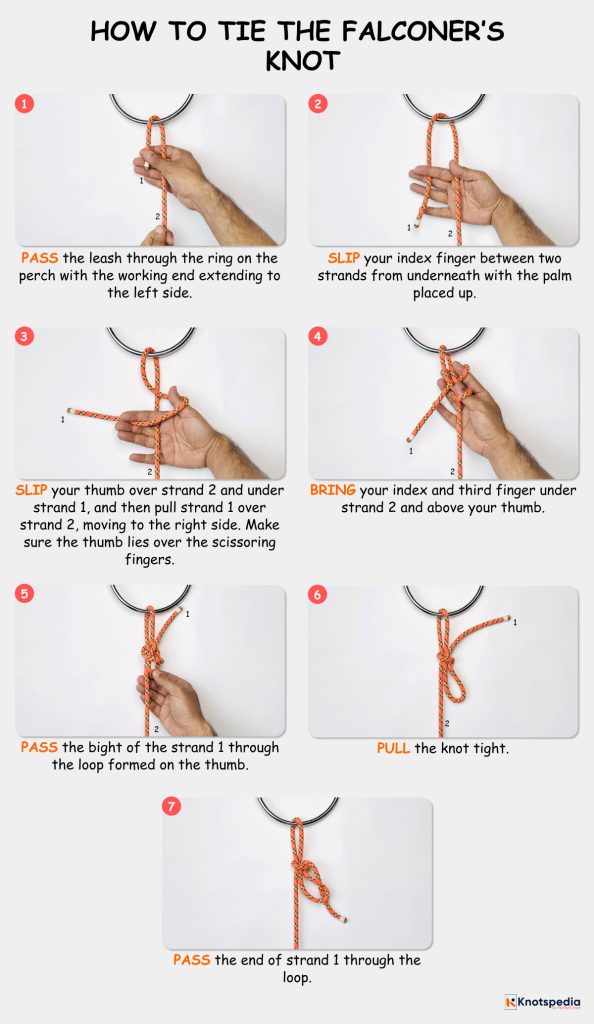
Are you eager to master the art of falconry? Understanding how to rope wrap a perch is an essential skill for anyone passionate about this ancient practice.
Whether you’re a seasoned falconer or just starting your journey, the right techniques can make all the difference in ensuring your bird’s safety and comfort. Imagine having the confidence that your perch is secure, enhancing both your experience and your bird’s well-being.
This guide will walk you through each step with clarity and precision, making it easy for you to achieve a perfectly wrapped perch. Dive in and discover how you can elevate your falconry skills to new heights.
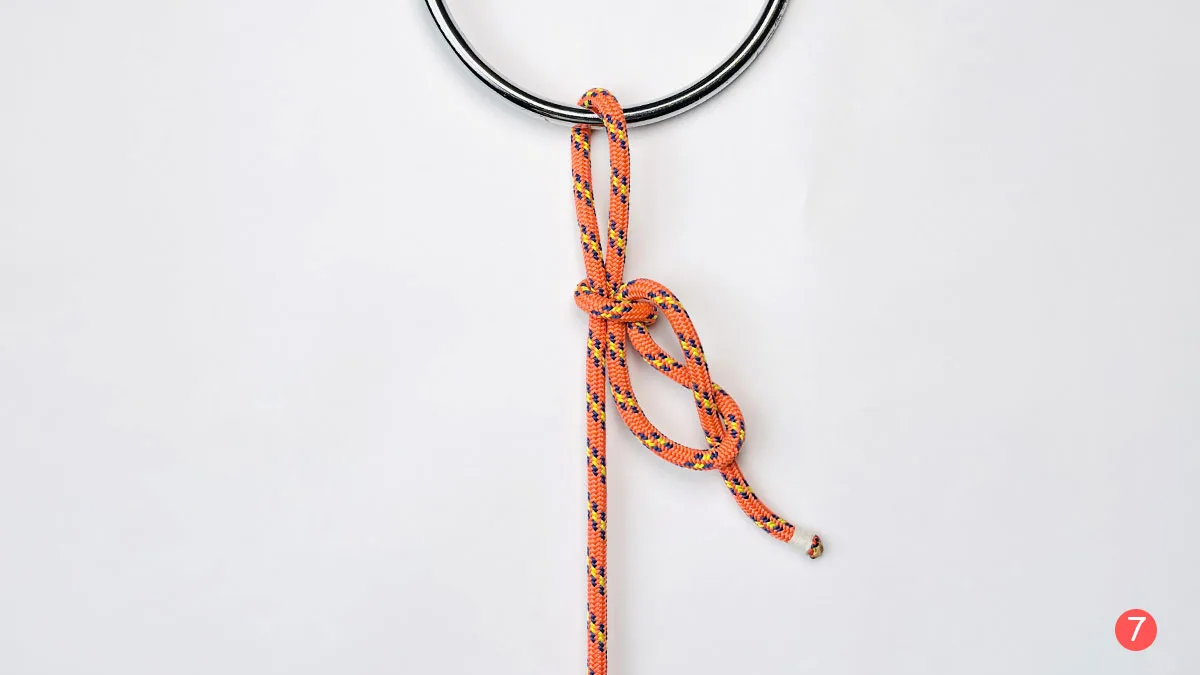
Credit: knotspedia.com
Choosing The Right Rope
Choosing the right rope for roping a perch falconry is crucial for both the bird’s safety and your control. The rope needs to provide a secure hold without causing discomfort or injury to your falcon. Understanding the materials, length, thickness, and durability will help you make the best choice.
Material Options
Ropes come in various materials, each offering different benefits. Natural fibers like cotton are soft and gentle on the falcon’s legs but may wear out quickly with exposure to moisture. Synthetic fibers such as nylon or polyester are more resistant to weather and abrasion, making them a popular choice among falconers.
Have you noticed how some ropes feel too rough or stiff? That’s often due to the material. Nylon ropes, for example, offer a smooth surface that reduces friction, preventing irritation to your falcon’s delicate skin.
Length And Thickness
The length of your rope affects how much freedom your falcon has while still keeping them safe. A rope too short restricts movement, while one too long may be difficult to manage. Most falconers find that ropes between 6 to 10 feet strike the right balance.
Thickness is equally important. Thin ropes may cut into the bird’s legs, while overly thick ropes are heavy and cumbersome. Aim for a diameter around 3 to 5 millimeters to ensure comfort and control.
Durability Considerations
Durability should never be overlooked. Your rope faces constant tension, weather changes, and potential contact with rough surfaces. A rope that frays or weakens quickly can put your falcon at risk.
Look for ropes with reinforced braiding or UV resistance for longer life. Have you ever had a rope fail at a critical moment? Choosing a durable rope helps avoid that stressful situation and keeps your falcon safe throughout your training sessions.
Preparing Your Perch
Preparing your perch is a vital step in falconry. A well-prepared perch keeps your falcon safe and comfortable. It also helps the rope wrap stay secure. Careful preparation sets the stage for a successful falconry experience.
Selecting A Suitable Location
Choose a spot with good shade to protect the falcon from harsh sun. The area should be quiet to avoid startling the bird. Pick a place with stable ground to keep the perch steady. Avoid places near heavy foot traffic or loud noises. Consider wind direction to prevent strong gusts from disturbing your falcon.
Ensuring Safety And Comfort
Check that the perch is at a comfortable height for the falcon to land easily. Make sure the perch surface is smooth and free of sharp edges. Use natural materials like wood to help the bird grip well. Provide a little space around the perch to let the falcon move freely. Keep the area clean and free of any harmful objects.
Cleaning And Inspecting The Perch
Thoroughly clean the perch before use to remove dirt and debris. Inspect the perch for cracks or splinters that could injure the falcon. Repair or replace any damaged parts immediately. Use mild, bird-safe cleaning solutions to avoid harmful chemicals. Dry the perch completely to prevent mold or mildew growth.
Step-by-step Rope Wrapping
Rope wrapping a perch for falconry requires precision and care to ensure your falcon stays safe and comfortable. The process might seem tricky at first, but breaking it down into clear steps makes it manageable. Here’s how you can wrap the rope around your perch effectively, enhancing both security and usability.
Starting The Wrap
Begin by choosing a rope that is strong but gentle on your falcon’s feet. Lay the rope alongside the perch and hold the end firmly at one side. Make sure the rope is taut but not too tight, allowing some flexibility for movement.
Wrap the rope around the perch once or twice to create a stable base. This initial wrap is crucial; it sets the stage for the rest of the process. Think about how you want the rope to look and feel—this will guide your wrapping pattern.
Securing The Rope
Once the base wraps are in place, start overlapping the rope neatly, moving along the perch’s length. Keep your wraps close together to prevent gaps where the falcon’s talons might get caught. Consistency in spacing helps maintain a smooth surface.
As you wrap, occasionally press the rope down to tighten it securely. This prevents slipping when your falcon lands or shifts weight. If the rope feels loose at any point, unwind and start that section again—looseness can lead to accidents.
Finishing Techniques
When you reach the end of the perch, it’s time to lock the rope in place. Tuck the rope’s end underneath the last few wraps, creating a hidden knot or loop. This not only keeps the rope secure but also avoids sharp edges that could harm your bird.
Some falconers like to add a dab of non-toxic glue or use a small zip tie for extra security. Think about your environment—if your perch gets wet or dirty, a more durable finish might be necessary. How will you check and maintain the wrap over time to keep your falcon safe?

Credit: www.klarphotography.com
Maintaining The Rope And Perch
Maintaining the rope and perch is essential to ensure your perch falconry setup remains safe and comfortable for your bird. Regular care not only extends the life of your equipment but also protects your falcon from injury. Paying close attention to the condition of both the rope and perch can save you from unexpected problems during your falconry sessions.
Regular Inspections
Make it a habit to check the rope and perch before each use. Look closely for fraying, loose fibers, or any signs of wear that could compromise strength. Don’t forget to inspect knots and attachments—they often bear the most stress.
Examine the perch surface for cracks or splinters. These can hurt your bird’s feet and cause discomfort. If you notice any damage, address it immediately to keep your falcon safe.
Cleaning Tips
Keeping the rope and perch clean prevents the build-up of dirt and bacteria. Use mild soap and warm water to gently scrub the rope—avoid harsh chemicals that could weaken the fibers. Rinse thoroughly and allow the rope to air dry completely before using it again.
For wooden perches, wipe them down regularly with a damp cloth. If you use a varnish or sealant, reapply it periodically to protect the wood from moisture and wear. This keeps the perch sturdy and comfortable for your falcon.
Replacing Worn Rope
How do you know when it’s time to replace your rope? If you spot deep cuts, significant fraying, or if the rope feels less sturdy, don’t hesitate to swap it out. Using worn rope risks your falcon’s safety and can lead to accidents.
Choose high-quality, durable rope designed for falconry. Investing in good material saves you time and worry in the long run. Remember, your bird depends on you to provide a secure environment—are you ready to keep it that way?
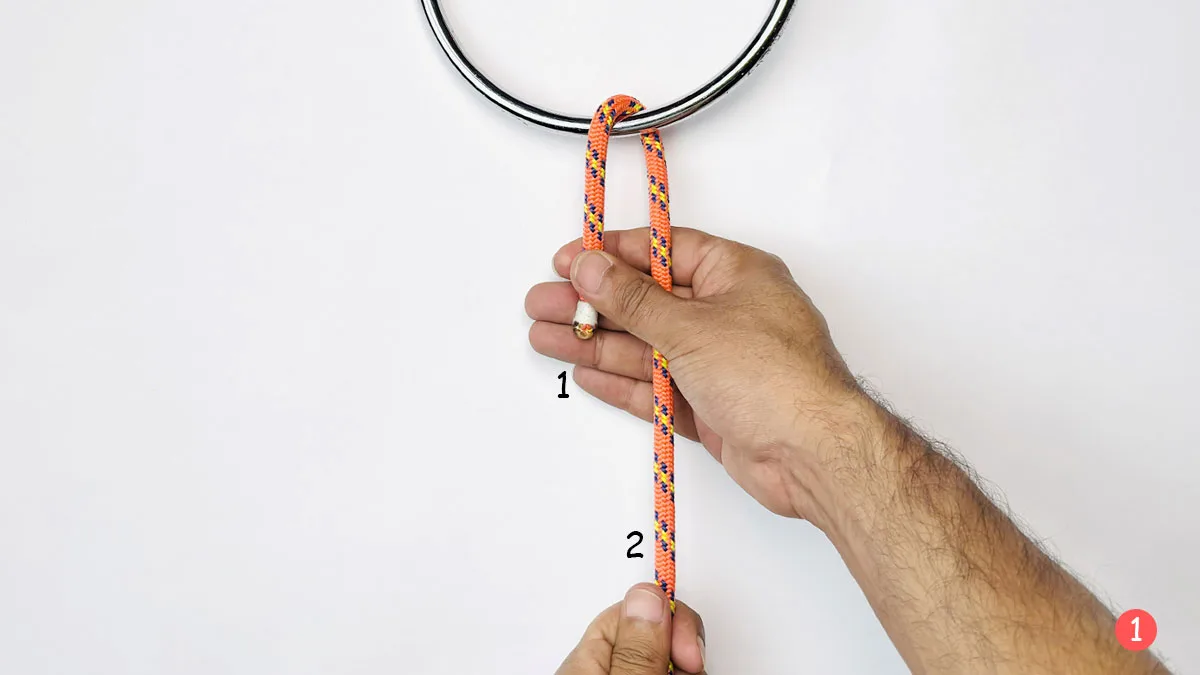
Credit: knotspedia.com
Frequently Asked Questions
What Materials Are Needed To Rope Wrap A Perch Falconry?
To rope wrap a perch falconry, you need soft jesses, durable rope, a perch, and swivels. Choose materials that ensure the falcon’s comfort and safety. Proper gear prevents injury and secures the bird during handling and training.
How Do You Start The Rope Wrapping Process?
Begin by tying a secure knot at one end of the rope. Wrap the rope evenly around the perch to create a stable grip. Ensure the wrapping is tight but not too tight to avoid damage to the perch or falcon’s jesses.
Why Is Rope Wrapping Important For Falconry Perches?
Rope wrapping provides a non-slip surface for falcons to grip securely. It protects the bird’s feet from injury and adds durability to the perch. Proper wrapping helps maintain the falcon’s health and comfort during training sessions.
How Often Should You Replace The Rope On A Falconry Perch?
Replace the rope whenever it shows signs of wear or fraying. Regular inspection ensures the safety and comfort of your falcon. Typically, replacing the rope every few months is advisable depending on usage and weather conditions.
Conclusion
Rope wrapping a perch falconry takes care and practice. Start slow and follow each step carefully. Use the right rope to keep the bird safe. Check the knots to make sure they hold well. Practice often to build your confidence and skill.
This helps your falcon feel secure on the perch. Remember, patience is key during the process. Keep your falcon calm and comfortable always. Safe rope wrapping helps both you and your bird enjoy falconry more.