

Imagine waking up to the cheerful chirping of birds right outside your window. Creating a bird habitat in your backyard can bring this delightful experience to life.
You might think it requires a lot of effort, but it’s easier than you might expect. By making a few simple changes to your outdoor space, you can invite a variety of beautiful birds to visit and stay. This not only adds charm to your home but also plays a crucial role in helping bird populations thrive.
Are you ready to transform your backyard into a vibrant bird paradise? Read on to discover how you can make it happen and enjoy nature’s symphony every day.
Choosing The Right Location
Choosing the right location is key to creating a successful bird habitat. Birds need a place that feels safe and meets their basic needs. The location affects how often birds visit and how comfortable they feel. Take time to pick a spot that offers the best environment for birds to thrive.
Sunlight And Shelter
Birds enjoy sunlight for warmth and energy. Choose a spot with morning sun and afternoon shade. This balance helps birds stay warm but not too hot. Shelter is important too. Trees, bushes, or shrubs provide protection from wind and rain. A mix of sun and shelter makes birds feel secure and comfortable.
Avoiding Predators
Safety from predators is a must. Avoid places near busy roads or areas with many cats and other animals. Keep bird feeders and nests away from low bushes where predators can hide. High branches and dense foliage help keep birds safe from harm. A secure spot encourages birds to stay longer.
Proximity To Water Sources
Birds need water for drinking and bathing. Place the habitat near a clean water source like a pond, stream, or birdbath. Water attracts more birds and keeps them healthy. Ensure water is fresh and changed regularly. Close water makes the habitat more inviting and supports bird life well.

Credit: underatinroof.com
Selecting Native Plants
Choosing native plants is one of the smartest moves you can make when creating a bird habitat. Native plants are already adapted to your local climate and soil, making them easier to grow and maintain. Plus, they provide exactly what local birds need to thrive—food, shelter, and safe nesting sites.
Food-producing Plants
Birds rely heavily on plants that produce seeds, berries, and nectar. Native species like coneflowers, black-eyed Susans, and elderberries offer natural food sources that attract a wide variety of birds. You might be surprised how quickly birds start visiting when you add these plants.
Think about your garden’s layout and include a mix of shrubs, trees, and ground covers that produce food throughout the year. This way, birds won’t have to leave your habitat in search of meals. Have you noticed how birds favor certain plants over others? That’s a cue to adjust your choices.
Shelter And Nesting Spots
Birds need more than food; they need places to hide and build nests. Native plants with dense foliage like dogwood or serviceberry offer excellent shelter. Adding a variety of plant heights—from low bushes to tall trees—creates a safer environment for different bird species.
Consider how your planting can provide protection against predators and harsh weather. Thick branches and thorny bushes can deter unwanted visitors while giving birds a cozy spot to raise their young. Have you ever watched a bird carefully selecting a nesting spot? It’s often where the shelter feels safest.
Seasonal Plant Variety
Plants that bloom or bear fruit at different times keep your bird habitat lively year-round. Native plants like spicebush in spring, elderberry in summer, and sumac in fall ensure continuous resources. This variety supports migrating birds as well as residents.
Plan your garden so something is always in season. This not only benefits birds but also keeps your garden colorful and interesting throughout the year. What if your garden could be a reliable food and shelter source even during the toughest seasons?
Providing Food And Water
Providing food and water is essential for creating a welcoming bird habitat. Birds need reliable sources of nourishment to stay healthy and active. Supplying a variety of foods and fresh water encourages many bird species to visit and stay longer in your area.
Bird Feeders And Types Of Feed
Choose bird feeders that suit the types of birds in your region. Tube feeders attract small songbirds like finches and chickadees. Hopper feeders hold larger quantities and suit bigger birds like cardinals and jays. Platform feeders work well for ground-feeding birds such as doves and sparrows.
- Black oil sunflower seeds attract many bird species.
- Nyjer seeds are perfect for finches and siskins.
- Suet cakes provide energy, especially in cold months.
- Peanuts and cracked corn attract woodpeckers and jays.
Natural Water Features
Birds need clean water for drinking and bathing. Natural water sources like ponds or streams are ideal. Small water features such as birdbaths also work well. Make sure the water is shallow, about 1 to 2 inches deep. Moving water, like a dripper or fountain, attracts more birds.
Maintaining Cleanliness
Clean feeders and water sources regularly to prevent disease. Empty and scrub feeders at least once every two weeks. Refresh water daily to keep it fresh and safe. Remove moldy or old food to avoid harming birds. Cleanliness supports healthy bird populations in your habitat.
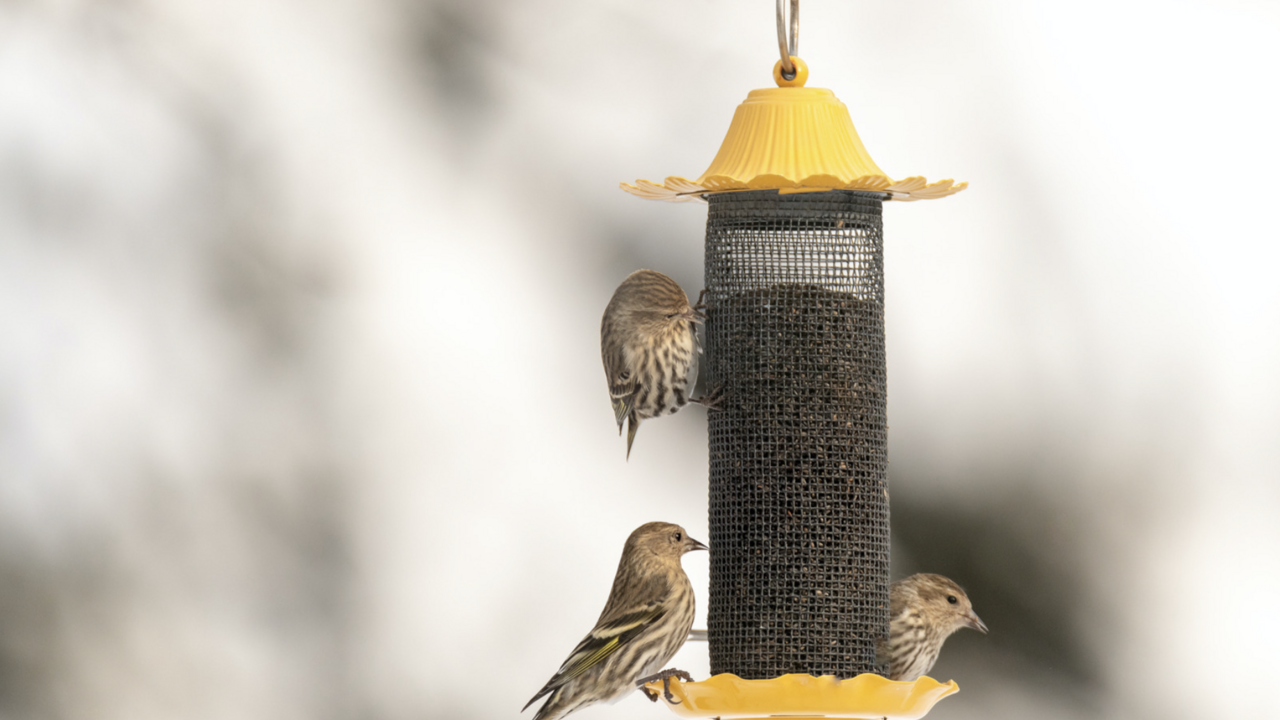
Credit: extension.msstate.edu
Creating Safe Nesting Areas
Creating safe nesting areas is essential to support local bird populations. Birds need secure spots to lay eggs and raise their young without constant threats. By offering well-designed shelters and natural materials, you can make your yard a welcoming place for nesting birds.
Birdhouses And Nesting Boxes
Providing birdhouses or nesting boxes is a straightforward way to create safe nesting areas. Choose boxes with the right entrance hole size to attract specific bird species. For example, small holes suit chickadees, while larger ones welcome bluebirds.
Place the boxes at a safe height—usually 5 to 10 feet above ground—and away from heavy foot traffic. Make sure the boxes face away from prevailing winds and direct sunlight. Cleaning the boxes annually keeps them inviting and free from disease.
Natural Nesting Materials
Birds gather materials like twigs, leaves, and feathers to build nests. You can help by leaving small piles of natural materials around your garden. Avoid using synthetic fibers, which can harm birds.
Consider planting native shrubs and grasses that provide both materials and shelter. I once noticed a family of wrens happily collecting moss and bark from my garden, proving how much they appreciate these natural gifts. What natural materials can you add to your yard today?
Protecting Against Pests
Pests like squirrels, raccoons, and invasive insects can destroy nests or scare birds away. Installing predator guards on poles or trees can keep larger animals at bay. Also, avoid using pesticides that harm beneficial insects and birds.
Regularly inspect your nesting boxes for wasp or ant nests, and remove them carefully. Providing a safe environment means thinking like a bird—what would make you feel secure? Taking these steps helps ensure your bird habitat thrives year after year.
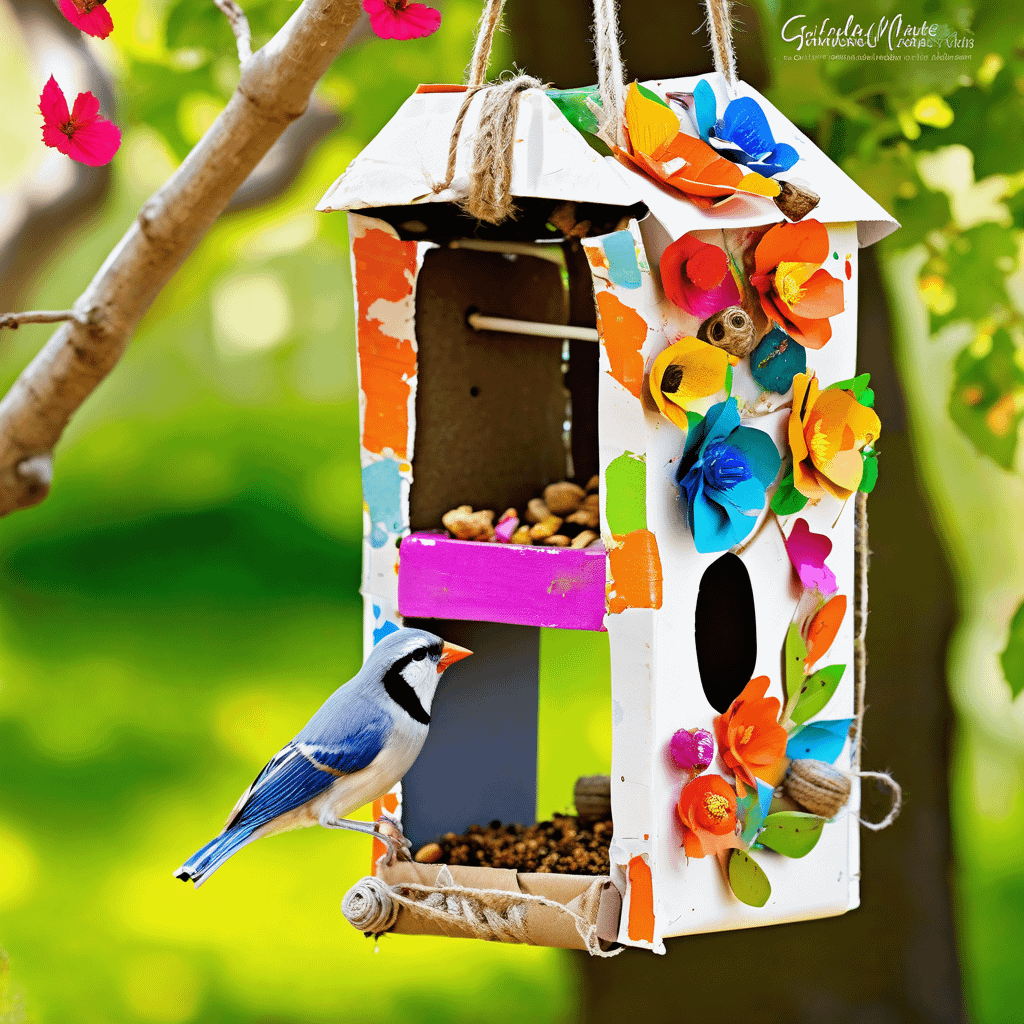
Credit: magickidslearning.com
Frequently Asked Questions
What Are The Best Plants For A Bird Habitat?
Native plants provide food and shelter for birds. Choose berry-producing shrubs, seed-bearing flowers, and fruit trees. These plants attract diverse bird species and support local ecosystems effectively.
How To Provide Water For Birds In Your Habitat?
Use shallow birdbaths or small ponds with clean water. Change water regularly to prevent mosquito breeding. Moving water like drippers or fountains attracts more birds.
What Materials Help Build Natural Bird Shelters?
Use natural materials like twigs, leaves, bark, and grasses. These materials mimic birds’ natural nesting environments and offer protection from predators and harsh weather.
How Can Feeders Improve Your Bird Habitat?
Feeders supply extra food, especially in winter or urban areas. Use different feeder types for seeds, suet, or nectar to attract various bird species.
Conclusion
Creating a bird habitat helps birds find food and shelter. It also brings nature closer to your home. Small efforts like planting trees and adding water attract many birds. Watching birds can bring joy and calmness every day. Start with simple steps and see how birds visit.
Your garden becomes a safe place for wildlife. Enjoy the sounds and colors birds bring along. Helping birds is good for the earth and for you. Keep learning and improving your space for birds. A bird-friendly habitat makes a happy world.