
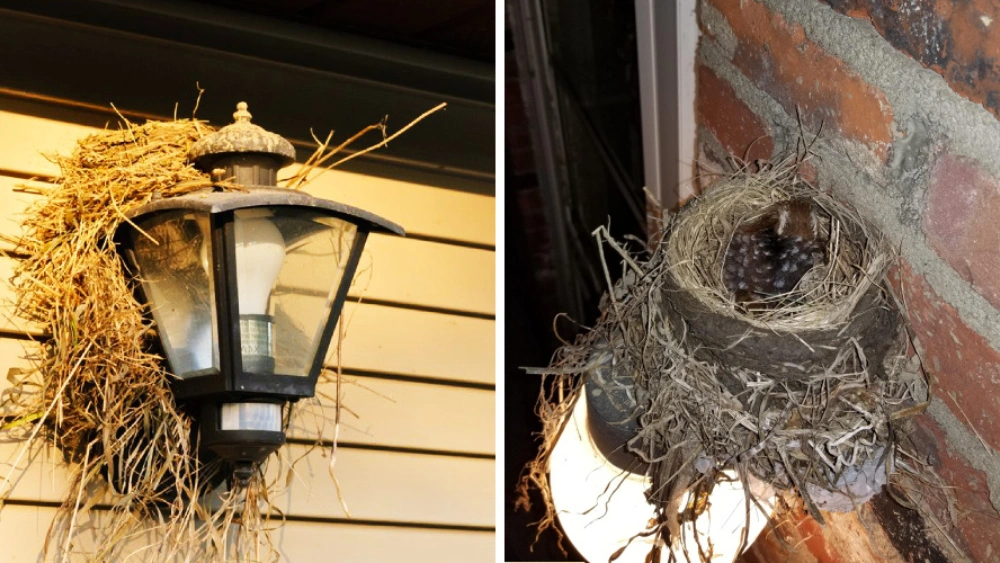
Have you ever found a bird’s nest nestled in the nooks and crannies of your home? It might feel like a quaint addition to your property, but soon, you might wonder: can you remove a bird’s nest from your house?
This question isn’t just about aesthetics; it’s about safety, legality, and peace of mind. As you read on, you’ll discover the surprising truths and hidden challenges of dealing with bird nests. Imagine the relief of knowing exactly how to handle this situation, keeping both your home and the birds safe.
Stay with us to uncover the essential steps and insights you need.

Credit: www.yahoo.com
Legal Rules On Nest Removal
Removing a bird’s nest from your house might seem like a simple task, but there are important legal rules you must know. Nest removal is often regulated to protect birds and their habitats. Ignoring these laws can lead to fines or other penalties.
Protected Bird Species
Some birds are protected by law, meaning you cannot disturb their nests at any time. These species often include migratory birds and endangered types. For example, in many countries, birds like robins, swallows, and certain hawks have legal protection.
If you find a nest belonging to a protected species, you must wait until the birds have left before considering removal. Removing an active nest could harm the birds and break the law. Have you checked if the birds nesting on your property are protected?
Local Wildlife Laws
Local laws vary widely, so it’s essential to check the rules in your area before removing a nest. Some cities or states require permits or notify wildlife agencies before any nest disturbance. Others may have specific seasons when nest removal is allowed.
Ignoring local wildlife laws can result in hefty fines or even legal action. Contact your local wildlife or environmental office for guidance. They can tell you exactly what steps you need to take to stay within the law and protect the birds.
Risks Of Removing Nests
Removing a bird’s nest from your house might seem like a straightforward solution to an unwanted guest. However, this action carries significant risks that affect both the birds and you. Understanding these risks helps you make safer, more responsible choices.
Impact On Birds
Birds depend on their nests to protect their eggs and young chicks. Removing a nest disrupts their breeding cycle and can cause the loss of eggs or baby birds. This disturbance forces the parent birds to expend extra energy to find or build a new nest, which may reduce their chances of survival.
Have you ever noticed a bird repeatedly trying to rebuild in the same spot? That’s a sign of how critical that location is for their safety. Interfering with this natural process can lead to abandonment or stress on the birds, which may affect the local bird population.
Potential Penalties
Many countries have laws protecting birds and their nests, especially during breeding seasons. Removing nests of certain species without proper permits can lead to hefty fines or legal trouble. These penalties exist to ensure the survival of protected or endangered birds.
Before you consider nest removal, ask yourself: Are you aware of your local wildlife protection laws? Ignorance won’t protect you from fines. Contacting local wildlife authorities can provide guidance and possibly safer alternatives to removal.
Safe Removal Methods
Removing a bird’s nest from your house requires care and respect for wildlife. Safe removal methods protect both you and the birds. Following proper steps ensures minimal harm and avoids legal issues. Always prioritize the well-being of the birds during the process.
Best Timing For Removal
Check the nest for eggs or baby birds first. Avoid removal during breeding season, usually spring and early summer. The best time is late fall or winter when nests are empty. Removing nests at this time prevents disturbing birds and their young. Be patient and observe the nest before taking action.
Tools And Precautions
Use gloves to protect your hands from dirt and parasites. Carry a sturdy trash bag or container for the nest. Wear long sleeves and a mask to avoid inhaling dust. Use a ladder carefully if the nest is high. Avoid using harmful chemicals or sprays near the nest.
- Wear gloves and protective clothing
- Use a stable ladder for high nests
- Handle the nest gently
- Dispose of nest material properly
- Wash hands thoroughly after removal

Credit: www.yahoo.com
Alternatives To Nest Removal
Removing a bird’s nest might seem like the easiest way to solve your problem, but there are kinder options that protect both your home and the birds. Alternatives to nest removal focus on preventing future nesting without causing harm. These approaches respect wildlife and often lead to better long-term results.
Deterring Birds Humanely
You can discourage birds from nesting on your property without hurting them. Simple changes like installing bird spikes or reflective tape can make your house less inviting. These tools create a physical or visual barrier that birds tend to avoid.
Another effective way is to use sound deterrents that mimic predator calls. These sounds encourage birds to find safer places. Just remember to adjust the volume and timing to avoid disturbing your neighbors.
Have you tried changing your outdoor lighting? Bright lights at night can discourage birds from settling near your home. It’s a low-effort solution that can keep nests away.
Creating Bird-friendly Spaces
Instead of pushing birds away completely, why not offer them a better place to nest? Setting up birdhouses or nesting boxes away from your home can attract birds safely. This helps them find shelter without causing damage to your property.
Planting native shrubs and trees provides natural habitats and food sources. Birds are less likely to build nests in inconvenient spots if they have access to comfortable, well-designed spaces nearby. Have you noticed how your garden changes when you add bird-friendly plants?
Providing clean water sources like birdbaths encourages birds to visit your yard regularly. This creates a welcoming environment that meets their needs and reduces the chance they’ll nest where you don’t want them. Offering these alternatives shows respect for wildlife and keeps your home intact.

Credit: www.callnorthwest.com
Frequently Asked Questions
Can I Legally Remove A Bird’s Nest From My House?
Removing a bird’s nest may be illegal during breeding season. Check local wildlife laws before removal to avoid fines. It’s best to wait until the birds have left and the nest is inactive.
What Is The Safest Way To Remove A Bird’s Nest?
Wear gloves and a mask to protect yourself from mites and bacteria. Gently remove the nest and clean the area with disinfectant. Avoid harming any eggs or baby birds during removal.
When Is The Best Time To Remove A Bird’s Nest?
The best time is after the breeding season when the nest is empty. This prevents disturbing the birds and ensures compliance with wildlife protection laws. Usually, late summer or early fall works well.
Can Bird Nests Cause Damage To My House?
Yes, nests can block vents, gutters, and drainage, causing water damage. Nesting materials may also attract pests or create fire hazards. Regular inspection and removal prevent structural and health issues.
Conclusion
Removing a bird’s nest from your house needs care and respect. Birds and their nests are often protected by law. Disturbing them can cause harm or legal trouble. Wait until the birds leave before taking any action. Use safe methods to avoid damage or injury.
Keeping a clean space helps prevent nests in unwanted areas. Taking these steps helps both you and the birds stay safe. Remember, patience and kindness go a long way with nature.