

Are pesky birds turning your peaceful backyard into a noisy hangout spot? If you’re tired of cleaning up after them or worried about their impact on your garden, you’ve landed in the right place.
You’re not alone in this battle against feathered invaders. Many homeowners face the same challenge of keeping birds from perching on their fences. But guess what? There are simple, effective ways to reclaim your space without harming these creatures. Imagine a serene garden where you can relax without the constant chirping or mess.
Intrigued? Read on to discover practical solutions that will make your backyard a bird-free zone, ensuring peace and cleanliness all year round.

Credit: www.amazon.ca
Why Birds Choose Fences
Fences provide birds with an ideal spot to rest, watch for food, and stay safe. Understanding why birds pick fences can help you find better ways to keep them away. Let’s look closely at the types of birds you might see and what draws them to your fence.
Common Bird Species On Fences
Several bird species prefer perching on fences. Sparrows often gather in groups, using fences as meeting points. Starlings like fences because they offer a clear view for spotting insects.
Robins choose fences to hunt for worms nearby. Pigeons and doves also rest on fences, especially in urban areas. Each species has its own reason for choosing fences, but all enjoy the convenience and safety they provide.
Attraction Factors For Birds
Fences offer birds a high vantage point to spot predators and food. They also act as convenient resting stops during flights. The texture and material of fences can provide warmth or shelter from wind.
Nearby food sources like gardens or trash bins make fences even more appealing. Birds are drawn to places where they feel secure and have easy access to food. Have you noticed if your fence is near a bird feeder or fruit trees? That could explain the busy bird traffic.
Credit: bird-x.com
Physical Barriers To Deter Birds
Physical barriers create a clear, tough boundary that birds find hard to cross. These solutions don’t just scare birds temporarily—they make your fence an uncomfortable or impossible spot to land on. If you want long-lasting results, setting up physical barriers is a practical move that requires minimal maintenance once in place.
Installing Bird Spikes
Bird spikes are an effective way to keep birds from settling on your fence. These narrow strips with blunt spikes don’t harm birds but make landing painful and awkward. You can find them in plastic or stainless steel, which suits different weather conditions and fence types.
Installing bird spikes is straightforward. Simply attach them along the top edges or flat surfaces where birds like to perch. They are especially useful if you notice pigeons or crows frequently using your fence as a resting spot.
Here’s what you need to consider:
- Measure the length of your fence to get the right amount of spikes.
- Use screws, adhesive, or zip ties depending on your fence material.
- Check regularly for any debris or damage that may reduce effectiveness.
Using Netting And Wire
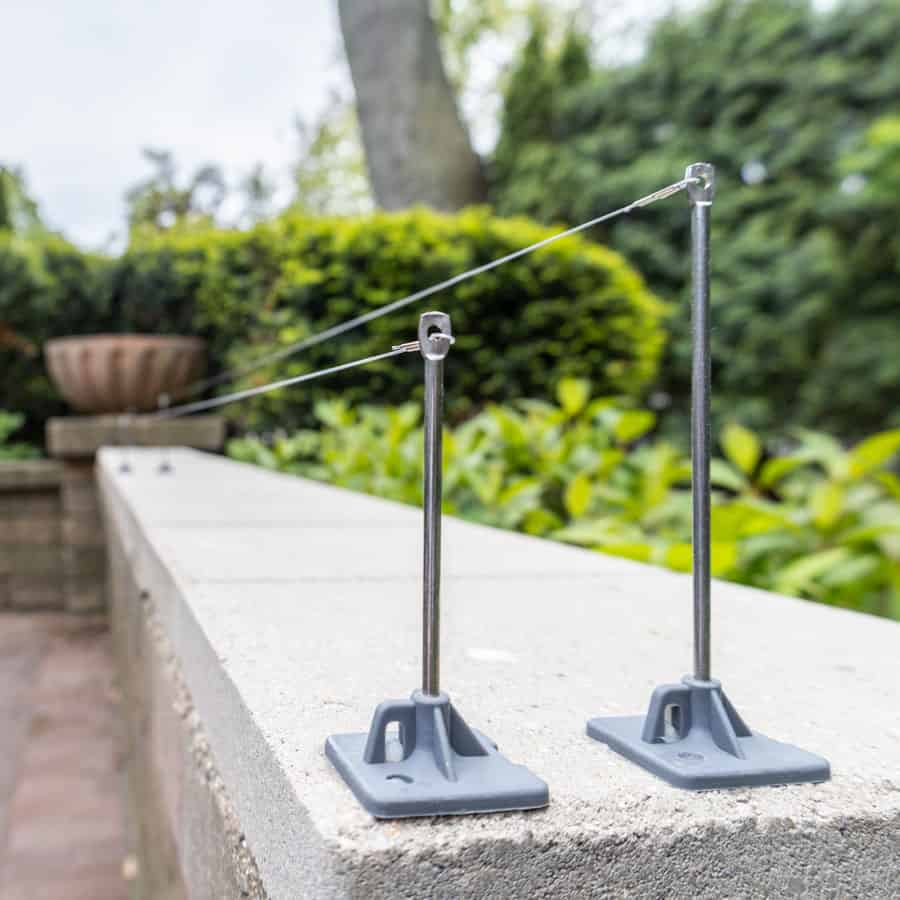
Netting and wire act as physical blocks that prevent birds from landing or nesting on your fence. They work well when you want to cover larger sections or awkward spaces where spikes can’t fit. You can choose bird netting with small mesh sizes that stop even small birds like sparrows.
Wire options include tensioned cables or grids that create an unstable surface for birds. When birds try to perch, they lose balance and fly away. This method is discreet and blends well with garden fences.
Think about these tips:
- Secure netting tightly to avoid sagging, which birds might use to gain footing.
- Combine wire with netting for extra protection on vulnerable sections.
- Inspect your setup periodically to fix any gaps or tears that birds could exploit.
Have you noticed certain parts of your fence attract more birds? Target those spots first with these barriers to see faster results.
Visual And Sound Deterrents
Visual and sound deterrents can keep birds away from fences effectively. Birds dislike sudden movements and unfamiliar noises. These deterrents create an uncomfortable environment for them, encouraging them to find other spots to perch.
Visual deterrents use light and shapes to scare birds. Sound deterrents emit noises that birds find disturbing. Using both together increases the chances of success.
Reflective Objects And Decoys
Reflective objects confuse birds by reflecting light in different directions. They create flashes that birds avoid. Common items include:
- Shiny tape strips
- Mirrors or CDs hung from the fence
- Reflective balloons
Decoys mimic predators or dangerous animals. Birds see them and stay away. Examples are:
- Plastic owls or hawks
- Fake snakes
Move decoys regularly to keep birds unsure. Place reflective objects where sunlight hits best.
Ultrasonic Devices And Noise Makers
Ultrasonic devices emit high-frequency sounds. Birds hear these sounds but humans usually do not. This discomfort makes birds avoid the area.
Noise makers produce sudden, loud sounds. These sounds startle birds and stop them from settling. Common noise makers include:
- Wind chimes
- Alarms or sirens
- Motion-activated sound devices
Use noise devices at different times to prevent birds from getting used to them.
Maintenance And Habitat Management
Keeping birds from perching on your fence requires more than just physical barriers. Maintenance and habitat management play a crucial role in making your fence less attractive to birds. By managing what draws them in, you can reduce their visits significantly.
Removing Food Sources
Birds are naturally attracted to places where they can find food easily. Check your fence area for any leftover seeds, crumbs, or nearby fruit trees that might be feeding them.
Clean up fallen fruits or nuts regularly, and avoid feeding birds near your fence. You might be surprised how much of a difference this simple action makes.
Have you noticed birds flocking near your fence after you drop food? That’s a clear sign that food sources need to be controlled.
Regular Fence Cleaning
Dirt, bird droppings, and even spider webs can make your fence more appealing for birds to land and stay. Cleaning your fence regularly removes these elements and discourages birds from settling.
Use a mild detergent and water to wash down the fence every couple of weeks. This keeps the surface less inviting and also prolongs the life of your fence.
Imagine your fence as a welcome mat—if it’s clean and dry, visitors won’t linger long. Are you maintaining your fence enough to keep it uninviting to birds?

Credit: www.amazon.ca
Frequently Asked Questions
How Can I Prevent Birds From Perching On My Fence?
Use bird deterrents like spikes, reflective tape, or decoys. Regularly change the deterrents to keep birds away effectively. Maintaining a clean fence area also helps reduce attraction.
What Are Safe Methods To Stop Birds Perching On Fences?
Install bird spikes or netting to create a physical barrier. Use visual deterrents such as shiny objects or scare balloons. These methods are humane and safe for birds.
Why Do Birds Prefer Perching On Fences?
Fences provide a good vantage point for spotting food and predators. They offer a resting place close to food sources. Birds also use fences for social interaction and territory marking.
Can Noise Repel Birds From Fences Effectively?
Yes, noise deterrents like ultrasonic devices or recorded predator sounds can help. However, birds may get used to the noise over time. Combine noise with other methods for better results.
Conclusion
Stopping birds from perching on your fence can be simple. Try different methods to see what works best. Spikes, nets, or shiny objects can keep birds away. Keep your fence clean and free of food scraps. Patience is key; results may take time.
A bird-free fence means less mess and noise. Protect your outdoor space with these easy steps. Enjoy a peaceful yard without unwanted feathered guests.