

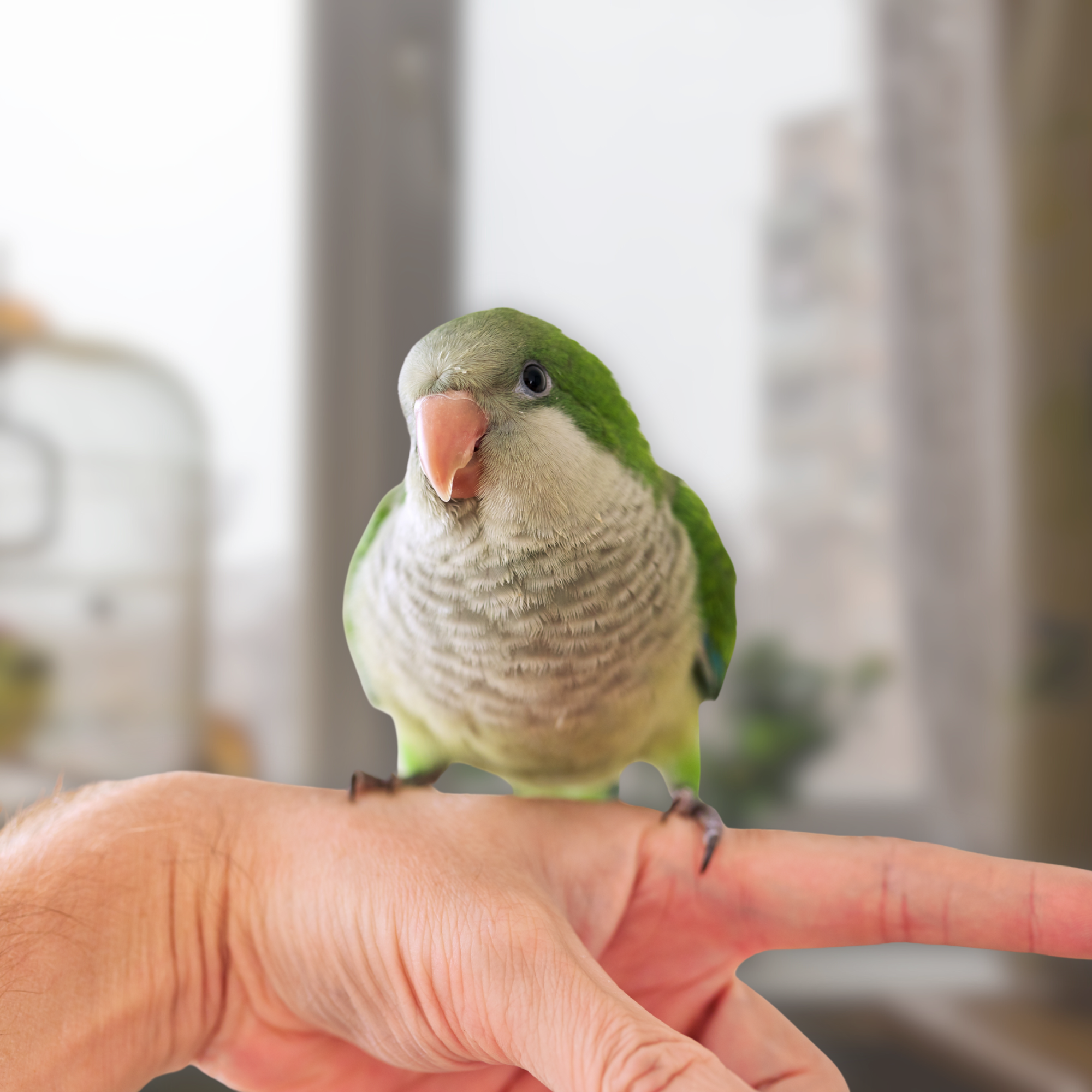
Imagine the joy of having a little feathered friend perch gently on your finger. It’s a magical experience that connects you with nature in a unique way.
You might think this is only for experienced bird handlers, but guess what? You can do it too! With a little patience and the right approach, you can invite a bird to trust you enough to rest on your hand.
In this guide, you’ll discover simple yet effective techniques to make this enchanting moment happen. Ready to turn your backyard into a personal wildlife sanctuary? Let’s dive into the steps that will have birds trusting you in no time.
Credit: birdsupplies.com
Choosing The Right Bird
Choosing the right bird is key to teaching it to perch on your finger. Not every bird enjoys close human contact or has the right temperament for finger perching. Some species are naturally curious and social, making them better candidates for this activity. Understanding which birds are suitable can save time and build a strong bond.
Best Species For Finger Perching
Some birds are easier to train for finger perching. Small parrots and songbirds often adapt well to human interaction. Popular choices include:
- Budgerigars (Budgies) – Friendly and playful, ideal for beginners.
- Cockatiels – Gentle and social, enjoy human company.
- Lovebirds – Affectionate but need patience and trust.
- Parrotlets – Small, curious, and bold.
- Finches – Less interactive, but some can perch on fingers with time.
Choosing a species with a natural tendency to bond with humans helps the training process. Birds with a calm nature respond better to gentle handling and finger perching.
Assessing Bird Temperament
A bird’s temperament affects its willingness to perch on your finger. Watch for signs of friendliness and curiosity. A tame bird will approach and explore without fear. Shy or aggressive birds may resist finger perching and need more time or different training methods.
Observe how the bird reacts to people and new environments. A calm, confident bird is a better candidate. Patience is important when working with nervous birds. Gaining their trust slowly improves chances of success.

Credit: www.youtube.com
Creating A Safe Environment
Creating a safe environment helps birds feel calm and trust you more. Birds react to their surroundings quickly. A peaceful space makes them more open to perching on your finger. The right setting reduces fear and builds comfort for the bird.
Setting Up A Comfortable Space
Choose a quiet room with soft lighting. Avoid bright or flashing lights that scare birds. Keep the temperature steady, not too hot or cold. Provide perches or branches nearby to help birds feel at home. Use natural materials like wood for perches. Clean the area regularly to keep it fresh and safe. Make sure there are no sudden loud noises. These steps help the bird relax and trust your presence.
Minimizing Stress Factors
Limit sudden movements around the bird. Speak softly and avoid loud voices. Remove other pets or distractions from the room. Avoid strong smells, like perfumes or cleaning chemicals. Give the bird time to get used to your hand. Never force the bird to perch; patience is key. Watch for signs of stress like flapping wings or biting. Reducing stress helps the bird feel safe and ready to perch on your finger.
Building Trust With Your Bird
Building trust with your bird is the cornerstone of encouraging it to perch on your finger. Birds are naturally cautious creatures and need to feel safe before they accept your hand as a comfortable spot. Trust develops through consistent, gentle interactions that show your bird you mean no harm.
Approaching Calmly And Gently
Approach your bird slowly and without sudden movements. Quick actions can startle it, causing stress and distrust. Keep your voice soft and soothing as you draw near.
Observe your bird’s body language. If it leans away or fluffs up its feathers, give it space and try again later. Patience here is key—rushing will only push your bird further away.
Using Treats And Positive Reinforcement
Treats are powerful tools to build a positive connection. Offer your bird a favorite snack from your hand, making sure it associates your finger with something pleasant.
Reward your bird immediately when it shows any sign of curiosity or steps closer to your hand. This reinforces the behavior and encourages it to repeat the action.
- Use small, healthy treats like millet or sunflower seeds.
- Keep sessions short and enjoyable to avoid overwhelming your bird.
- Celebrate small victories, like your bird turning its head toward your finger.
Have you noticed how your bird reacts differently when you stay calm and patient? Your attitude shapes its comfort level more than you might expect.
Training Steps For Finger Perching
Training a bird to perch on your finger takes time and care. It involves building trust and teaching the bird to feel safe. Each step is simple but important. Consistent practice helps your bird learn faster and enjoy the process.
Introducing Your Finger Slowly
Start by placing your finger near the bird’s cage. Let the bird see and smell your finger. Avoid sudden moves to keep the bird calm. Move your finger closer little by little each day. This helps the bird get used to your presence.
Encouraging The Bird To Step Up
Offer your finger as a perch gently. Use a soft voice to invite the bird. Sometimes, use a treat on your finger as a reward. Wait patiently for the bird to step on your finger. Praise the bird softly to build confidence.
Practicing Patience And Consistency
Practice every day for a few minutes. Keep sessions short to avoid stress. Repeat the same actions to create a routine. Be patient if the bird hesitates or backs away. Trust grows slowly but steadily with care.
Credit: lafeber.com
Frequently Asked Questions
How Can I Train A Bird To Perch On My Finger?
Start by gaining the bird’s trust with gentle voice and slow movements. Offer treats on your finger. Repeat daily in a calm, quiet space until the bird feels comfortable perching on your finger.
What Is The Best Treat To Attract A Bird?
Small seeds, nuts, or fruit pieces work well as treats. Choose healthy options suitable for the bird species. Using favorite treats encourages the bird to come closer and perch on your finger.
How Long Does It Take For A Bird To Perch?
Training time varies by bird species and personality. Usually, consistent daily sessions of 5-10 minutes help the bird learn within a few weeks. Patience and repetition are key.
Is It Safe To Hold A Wild Bird On My Finger?
Holding wild birds can stress them and spread diseases. It’s safer to train pet or tame birds. Always handle birds gently to avoid injury to both you and the bird.
Conclusion
Getting a bird to perch on your finger takes patience and kindness. Start slow and build trust step by step. Use gentle movements and soft voices to stay calm. Offer small treats to encourage the bird’s confidence. Remember, every bird is different and learns at its own pace.
Enjoy the quiet moments and celebrate small progress. With care and time, you can create a special bond. Birds sense kindness and will come closer when they feel safe. Keep practicing, and soon you may have a feathered friend resting on your hand.