
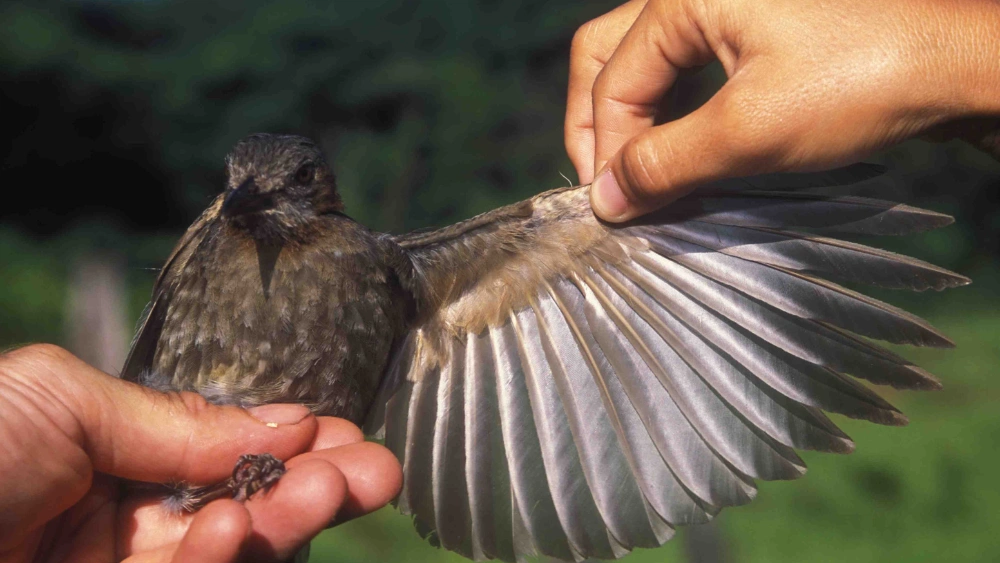
Have you ever noticed the incredible variety in bird wings? From the majestic wingspan of an eagle to the rapid flutter of a hummingbird, these differences aren’t just for show.
Changes in their habitats are a major influence. But how does this really affect them, and why should you care? Imagine the impact on your local ecosystem if birds started struggling with their flight patterns. We’ll dive into the fascinating connection between habitat changes and bird wings.
You’ll discover how these changes might even be affecting the birds you see every day in your backyard. Keep reading to learn how small shifts in the environment can lead to big changes in the skies above you.
Credit: medium.com
Bird Wings And Habitat Types
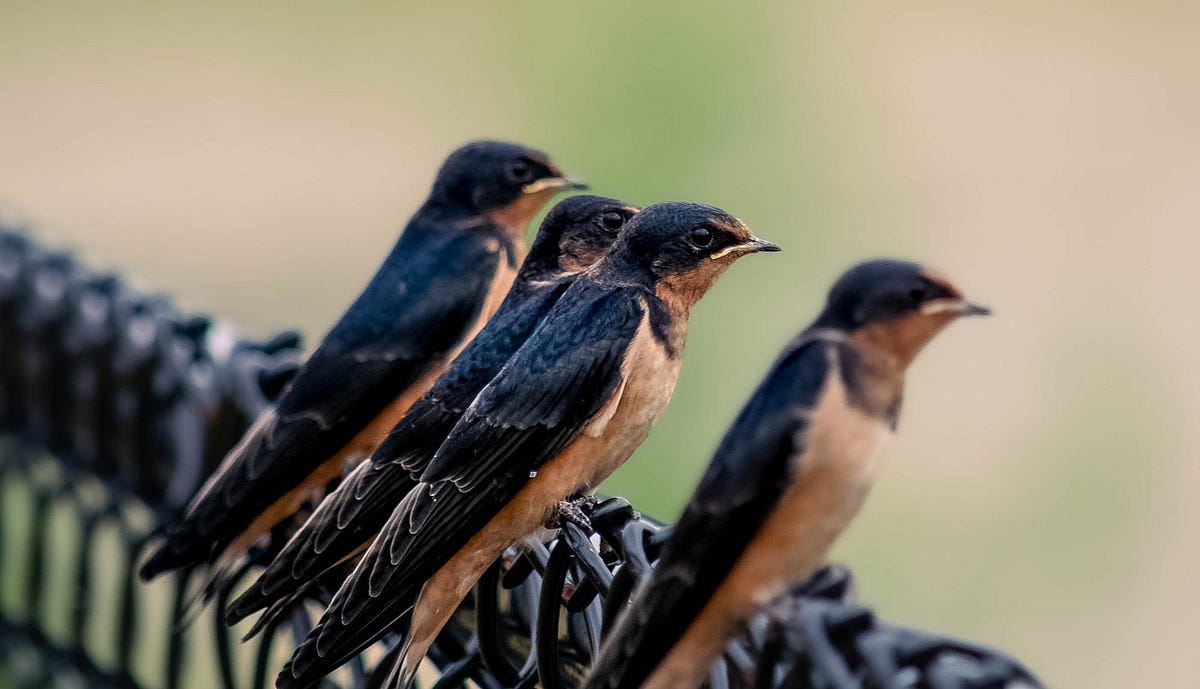
Bird wings adapt to different habitats to improve survival and movement. Wings vary in shape and size depending on the environment. These changes help birds fly efficiently in their specific habitats. Understanding these wing adaptations helps explain how habitat changes impact birds.
Forest Vs Open Areas
Forest birds have short, rounded wings. These wings help them maneuver quickly between trees. Fast turns and sudden stops are easier with this wing shape. Open area birds have long, pointed wings. These wings allow fast, straight flight over large spaces. They help birds glide and save energy during long flights.
Wetlands And Coastal Regions
Birds in wetlands often have broad wings. Broad wings help with slow, steady flight over water. They also aid in quick takeoffs from water surfaces. Coastal birds have wings designed for soaring. Long, narrow wings help them ride air currents over the ocean. This wing shape reduces energy use during long flights.
Wing Shape Changes
Bird wings adapt to changes in habitat by altering their shape. These changes help birds survive in new environments. Wing shape affects how birds fly and move through the air. Different habitats require different flying styles. This leads to distinct wing shapes suited to each environment.
Shorter Wings For Maneuverability
Birds in dense forests often have shorter wings. Short wings help them move quickly between trees. They can turn sharply and avoid obstacles with ease. This wing shape makes flying in tight spaces easier. Short wings also allow fast takeoffs from branches.
Longer Wings For Soaring
Birds living in open areas usually have longer wings. Long wings help them soar and glide for long distances. This saves energy while searching for food or migrating. These wings create more lift and less drag. Birds with long wings can ride air currents high above the ground.
Flight Patterns And Behavior
Birds change how they fly as their habitats change. Flight patterns shift to match new environments. This affects wings and how birds use them. Flight is key to survival and finding food.
Changes in trees, wind, or open spaces force birds to adapt. They may flap wings differently or adjust gliding. Behavior shifts help birds stay safe and efficient.
Adaptations In Flapping
Flapping changes with habitat. Birds in dense forests flap faster to move between branches. Open-area birds flap slower but with more power to cover long distances. Wing muscles grow stronger or leaner based on needs.
Shorter, quicker flaps help birds avoid obstacles. Longer, steady flaps aid in steady flight over open land. These changes protect energy and improve control.
Gliding And Hovering Adjustments
Gliding depends on space and wind. Birds in wide, open habitats glide longer to save energy. In crowded areas, gliding is short to avoid collisions.
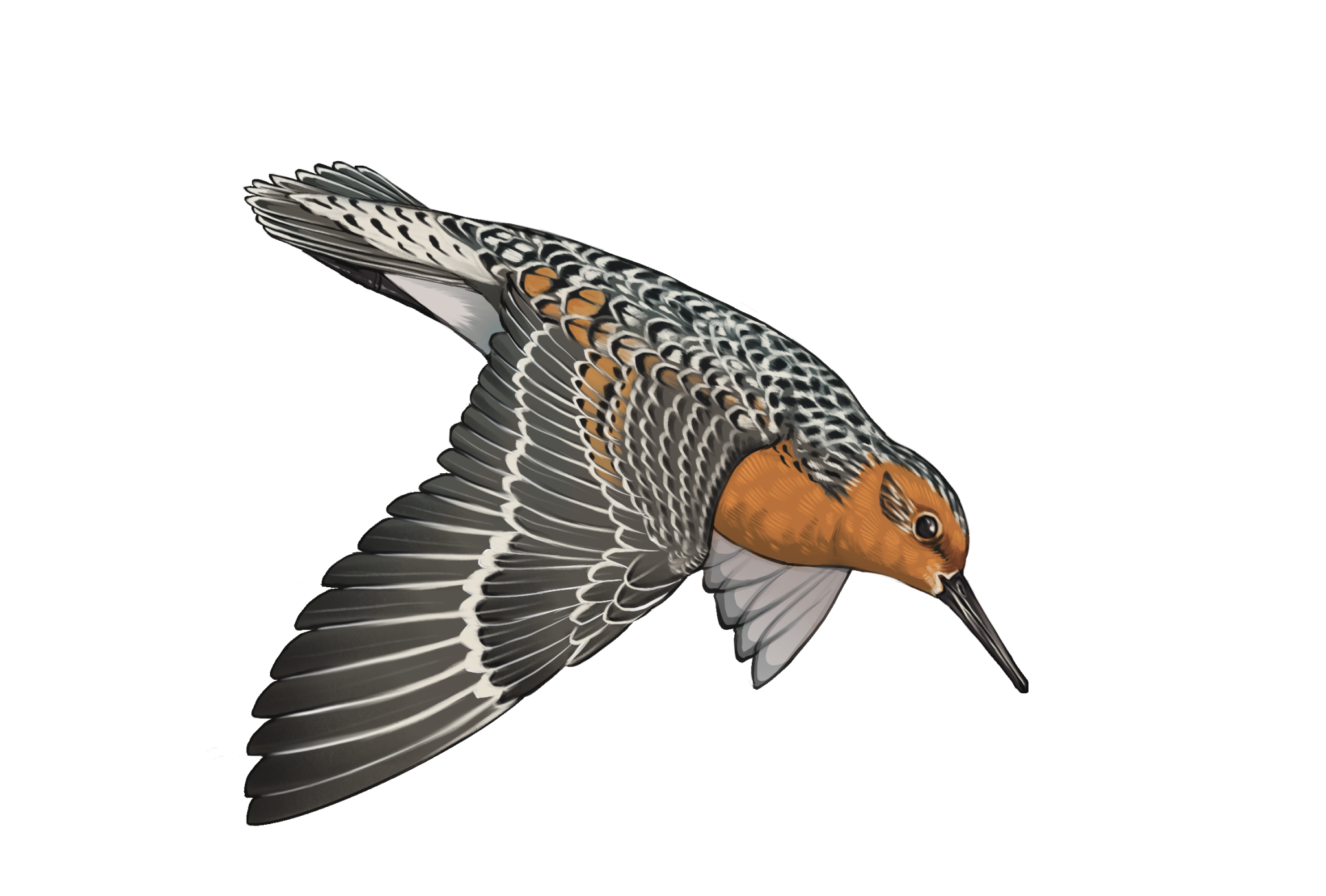
Hovering changes with food type and habitat. Birds near flowers hover more to feed on nectar. This requires strong wing control and stamina. Adjustments in wing shape help maintain balance and precision.
Credit: environmentamericas.org
Evolutionary Drivers Of Wing Adaptation
Bird wings don’t just change randomly; they evolve because of specific pressures in their environment. These evolutionary drivers push bird species to adapt their wing shapes and sizes over time. Understanding these drivers helps you see how habitat changes directly influence the survival and behavior of birds around you.
Predation Pressure
Predators shape how birds develop their wings. When predators increase in a habitat, birds often evolve wings that allow for quick takeoffs and agile flying. You might notice birds in open areas have longer, narrower wings that help them escape fast, while forest birds tend to have shorter, rounded wings for sharp turns.
Think about a hawk hunting in an open field versus a sparrow darting through dense trees. Each has wings adapted to evade or catch prey based on their specific threats. Have you observed how some birds suddenly burst into rapid flight when a cat or hawk appears? That reaction is backed by generations of wing adaptation.
Resource Availability
Where and how birds find food also drives wing changes. In places where food is spread out, birds often develop wings that support long-distance flights. Conversely, if food is abundant but confined to tight spaces, wings may become shorter to help with maneuvering.
Consider hummingbirds feeding on scattered flowers—they have wings built for hovering and precise movements. Meanwhile, seabirds traveling vast distances to find fish tend to have long, gliding wings. Your local environment’s resource layout can shape bird wing designs without you even realizing it.
- Wings adapt to energy needs—long flights require efficient wings.
- Short, broad wings help birds navigate cluttered habitats.
- Changes in food availability can force rapid wing adjustments over generations.

Credit: wildlifenomads.com
Frequently Asked Questions
How Does Habitat Change Influence Bird Wing Shape?
Habitat change alters available resources and flight demands. Birds adapt wing shape for efficient flying in new environments. For example, dense forests favor shorter, rounded wings for maneuverability, while open areas encourage longer, pointed wings for sustained flight.
Why Do Birds Develop Different Wings In Changed Habitats?
Different habitats require specific flight skills. Birds evolve wing structures to improve survival. Changes in food sources, predators, and migration routes drive these adaptations. This ensures better foraging, escape, and travel efficiency in altered environments.
Can Habitat Loss Cause Bird Wing Evolution?
Yes, habitat loss forces birds to adapt quickly. Wing evolution helps birds cope with new challenges like fragmented landscapes. This leads to variations in wing size and shape, supporting better navigation and energy use in changing habitats.
How Do Urban Environments Affect Bird Wings?
Urban areas create unique flight challenges. Birds develop shorter, stronger wings for quick takeoffs and agile flight around buildings. This adaptation helps them avoid obstacles and predators in city landscapes, improving their chances of survival.
Conclusion
Bird wings change as their homes change. Birds must adapt to new challenges quickly. Some wings grow longer to fly farther. Others become shorter for quick turns in dense trees. These changes help birds survive in new places. Protecting bird habitats means protecting their future.
Every small change in nature affects birds greatly. Understanding these changes helps us care for birds better. Nature and birds depend on each other closely. Keep watching, keep learning, and help protect bird homes.