
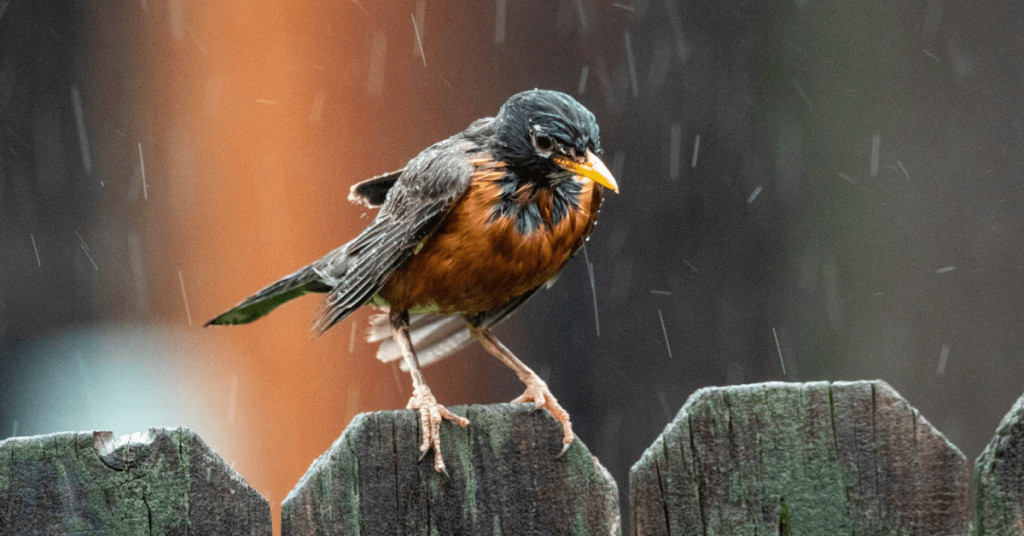
Have you ever noticed how birds act differently when the weather turns bad? Maybe they stop singing, fly lower, or seem quieter than usual.
It’s not just your imagination—bad weather really does change how birds behave. But why does this happen? Understanding these changes can help you connect more deeply with nature and even predict what the birds around you might do next. Keep reading, and you’ll discover surprising reasons behind these shifts in bird behavior during storms, rain, and cold days.
This knowledge could change the way you see the world outside your window.
Weather Effects On Bird Activity
Birds are highly sensitive to changes in weather, which can drastically alter their daily routines. Weather impacts their ability to fly, find food, and stay safe. Understanding these effects helps you observe and appreciate bird behavior more closely.
Flight Patterns In Storms
Storms disrupt normal flight patterns because strong winds and rain make flying difficult and dangerous. Birds often fly lower or seek shelter to avoid exhaustion or injury.
Some species, like swallows, delay migration or stop mid-journey during storms. Others, such as hawks, use the rising air currents before storms to glide efficiently.
Have you noticed birds suddenly disappearing before a thunderstorm? It’s their way of preparing for harsh conditions.
Feeding Adjustments
Bad weather affects food availability and birds’ ability to forage. Rain can wash away insects or cover seeds, forcing birds to change feeding spots or eat different foods.
During cold snaps, birds often increase their feeding activity to maintain body heat. You might see them visiting feeders more frequently or gathering in groups.
Try placing a bird feeder near sheltering trees during bad weather. This simple action can support birds struggling to find food.
Credit: greenly.earth
Sheltering And Nesting Changes
Bad weather affects how birds shelter and build nests. Birds change their habits to stay safe and protect their young. These changes help them survive storms and harsh conditions. Understanding these behaviors reveals how birds adapt quickly to nature’s challenges.
Seeking Safe Havens
Birds look for secure places during bad weather. They hide in thick bushes, tree hollows, or dense branches. These spots shield them from wind and rain. Some birds stay quiet to avoid attracting predators. Staying still and hidden helps them save energy and stay warm.
Impact On Breeding
Bad weather can delay or stop birds from breeding. They avoid building nests during storms or heavy rain. Wet conditions make nests weak and unsafe for eggs. Parents may leave nests to find food, risking egg safety. Some birds rebuild nests after storms to protect their young better.
Migration Shifts Due To Weather
Bird migration is a complex process influenced by many factors. Weather plays a major role in changing bird movement patterns. Birds adjust their migration to survive and find food. Bad weather often forces birds to shift their plans for migration. These shifts can affect timing and routes.
Timing Alterations
Birds change the timing of their migration due to weather changes. Storms and cold fronts can delay departure. Birds may wait for better conditions before flying. Early warm weather can cause birds to start migration sooner. These timing changes help birds avoid dangerous weather and conserve energy. Timing shifts also affect breeding and feeding cycles.
Route Modifications
Birds often change their migration routes during bad weather. Strong winds and storms make some paths risky. Birds choose safer or shorter routes to avoid harsh conditions. These new routes may lead birds to different stopover sites. Route changes help birds find better shelter and food. Birds use their experience and weather cues to navigate these changes.

Credit: birdsnways.com
Physiological Responses To Weather
Birds face constant challenges from changing weather, and their bodies respond in ways that directly affect their behavior. These physiological responses help them survive harsh conditions and maintain energy. Understanding these changes gives you a clearer picture of why birds act differently during bad weather.
Energy Conservation
Cold winds and rain force birds to use more energy just to stay warm. To save energy, many birds reduce their activity levels. You might notice them sitting still for longer periods or fluffing up their feathers to trap heat.
This behavior isn’t laziness—it’s a smart survival strategy. By conserving energy, birds increase their chances of making it through storms or cold snaps. Have you ever seen a bird puffed up on a chilly morning? That’s exactly what’s happening inside their bodies.
Stress And Hormonal Changes
Bad weather triggers stress in birds, causing their bodies to release hormones like corticosterone. These hormones help birds react quickly to danger but also change their normal routines. You might see birds becoming more alert or moving to sheltered spots.
Stress hormones can alter feeding and mating habits, affecting how birds behave overall. If you watch closely, you might catch subtle shifts in their daily patterns during a storm. How do you think these hormonal changes influence the long-term health of birds in your area?

Credit: birdsnways.com
Frequently Asked Questions
How Does Bad Weather Affect Bird Migration?
Bad weather can disrupt bird migration patterns by altering wind currents and decreasing visibility. Birds may delay their journeys or take alternative routes to avoid storms, ensuring their safety. This can lead to extended migration periods or unexpected stopovers.
Why Do Birds Seek Shelter During Storms?
Birds seek shelter during storms to protect themselves from harsh weather conditions like strong winds and heavy rain. Finding cover in trees, shrubs, or man-made structures helps them conserve energy and avoid injury. This behavior ensures their survival during adverse weather.
Do Birds Stop Singing In Bad Weather?
Yes, birds often reduce or stop singing during bad weather. Rain and wind can drown out their calls, making communication difficult. By staying quiet, they conserve energy and focus on survival. This behavior helps them avoid predators and navigate challenging conditions.
Can Bad Weather Affect Bird Feeding Habits?
Bad weather can significantly impact bird feeding habits. Birds may struggle to find food due to rain or wind, leading to changes in their feeding locations or times. They might visit feeders more frequently or rely on stored food to maintain their energy levels.
Conclusion
Birds change their behavior to survive bad weather. They may fly less or find shelter. These actions help them stay safe and save energy. Weather affects their food search and migration patterns. Understanding this helps us appreciate how birds adapt.
Nature’s way of coping is smart and necessary. Watching birds during storms can teach us a lot. Their changes show how strong and flexible they are. Weather is a big factor in their daily lives. Birds remind us to adjust and protect ourselves too.