
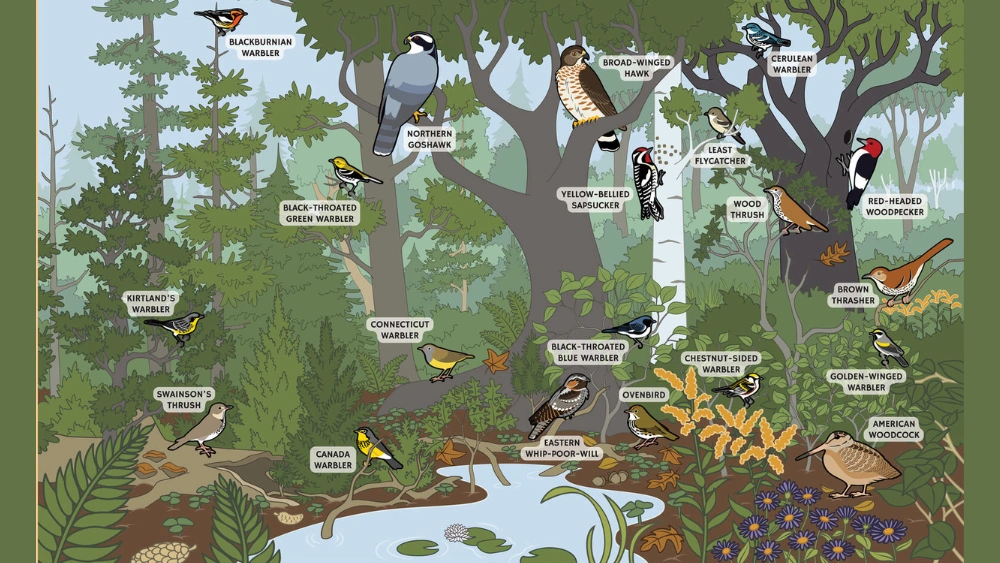
Have you ever wondered how you can make a real difference in the lives of our feathered friends? Improving bird habitats is a simple yet impactful way to support the vibrant bird populations around us.
Whether you have a sprawling garden or a cozy balcony, there are countless ways you can create a welcoming environment for birds. Imagine waking up to the cheerful chirping of birds, knowing that you played a part in creating a safe haven for them.
This guide will walk you through effective and easy steps to enhance bird habitats, making your outdoor space a delightful sanctuary for both birds and you. Ready to transform your space into a bird paradise? Let’s dive in!
Credit: www.shaverscreek.org
Creating Safe Nesting Areas
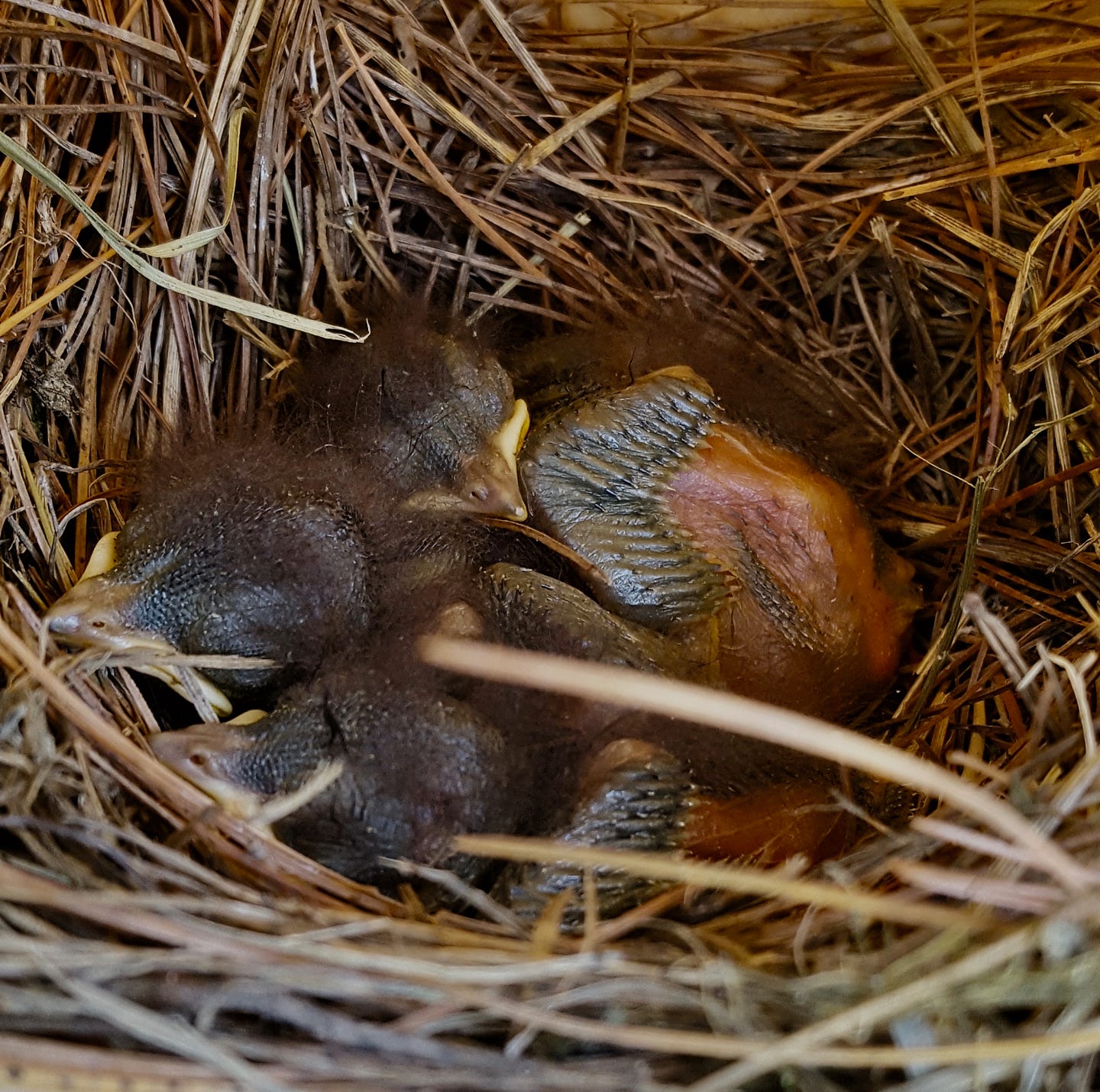
Creating safe nesting areas is essential for improving bird habitats. Birds need secure spots to lay eggs and raise their young without constant threats. By focusing on the right plants, shelter, and predator control, you make your garden or outdoor space a true bird haven.
Choosing Native Plants
Native plants offer the best support for local bird species. They provide food sources like seeds, berries, and insects that birds naturally rely on. Adding native shrubs and trees can attract nesting birds by offering both nourishment and familiar surroundings.
Have you noticed how certain birds appear more often around specific plants? That’s because these plants suit their needs perfectly. Try planting species like dogwood, serviceberry, or elderberry to encourage nesting in your area.
Providing Natural Shelter
Birds need protection from harsh weather and curious eyes. Dense bushes, tall grasses, and thick tree branches create natural hideouts where birds feel safe. You can even leave dead trees or snags standing if they’re not a hazard—they’re excellent for cavity-nesting birds.
I once left a small patch of brambles untouched, and soon after, wrens and sparrows were nesting there. This shows how even a simple, undisturbed area can become a shelter hotspot. Could you set aside a corner of your yard for natural cover?
Avoiding Predators
Protecting nests from predators is a big part of creating safe spaces. Cats, raccoons, and snakes pose real threats to bird eggs and chicks. Keep pet cats indoors and consider placing birdhouses or feeders away from easy predator access.
Installing baffles on poles and trimming low branches can reduce predator reach. You might also try planting thorny bushes near nesting sites to discourage unwanted visitors. What small changes can you make around your home to keep bird families safe?

Credit: www.mdpi.com
Enhancing Food Sources
Enhancing food sources is vital to support healthy bird habitats. Birds need varied and reliable food throughout the year. Providing natural and supplemental food helps them thrive. It also encourages diverse bird species to visit and stay.
Planting Fruit And Seed Bearing Flora
Plant native shrubs and trees that produce fruits and seeds. Examples include dogwood, elderberry, and sunflowers. These plants offer natural food and shelter. They attract birds like thrushes, finches, and sparrows. Fruit and seed plants also support insects, which some birds eat.
Installing Bird Feeders
Use feeders to supply extra food, especially in winter. Choose feeders for seeds, suet, or nectar. Keep feeders clean to prevent disease. Place them in safe spots, away from predators. Change feeding types seasonally to meet birds’ needs.
Maintaining Water Supplies
Fresh water is essential for birds’ survival. Use birdbaths, shallow dishes, or small ponds. Clean water sources often to avoid algae and mosquitoes. Add stones or sticks to help birds perch safely. Water availability attracts more birds and supports their daily needs.
Maintaining Clean Environments
Maintaining clean environments is crucial for creating safe and inviting habitats for birds. Birds rely on clean air, water, and soil to thrive, and pollution or waste can quickly disrupt their natural behaviors. You can make a real difference by taking simple steps to keep bird habitats free from harmful substances and clutter.
Reducing Pollution
Pollution poses a serious threat to bird populations. Chemicals from pesticides, fertilizers, and industrial runoff contaminate water sources and soil, making it difficult for birds to find safe food and nesting areas.
One practical way you can help is by choosing organic gardening methods and avoiding harmful chemicals near bird habitats. Also, supporting local efforts to reduce air and water pollution helps create healthier environments for birds to live and reproduce.
Have you noticed changes in bird activity around polluted areas? Cleaner surroundings often lead to more vibrant birdlife, showing how sensitive they are to environmental quality.
Managing Waste Properly
Improper waste disposal creates hazards for birds. Trash can entangle birds or be mistaken for food, leading to injury or death. Keeping areas free of litter is a simple but powerful step you can take.
- Always use designated bins and encourage others to do the same.
- Organize community clean-up events in parks and natural areas.
- Recycle materials to reduce landfill overflow that can affect nearby wildlife.
Even small actions, like picking up plastic pieces during your walks, add up to significant benefits. When was the last time you checked your local park for litter? Your attention to waste management can directly improve bird habitats.
Encouraging Biodiversity
Encouraging biodiversity is key to improving bird habitats. When a habitat supports a wide range of species, it creates a balanced ecosystem where birds can thrive. You’ll notice healthier bird populations when plants, insects, and other wildlife coexist harmoniously in your garden or local green space.
Supporting Pollinators
Pollinators like bees, butterflies, and hummingbirds play a vital role in sustaining bird habitats. They help plants reproduce, ensuring a steady supply of seeds and fruits that many birds rely on for food. Adding native flowering plants that bloom at different times of the year can keep pollinators active and abundant.
Think about planting milkweed, coneflowers, or lavender—they attract a variety of pollinators and provide nectar throughout the seasons. Have you ever watched a butterfly’s delicate dance among flowers? It’s a sign your habitat is supporting essential wildlife.
Creating Diverse Habitats
Diversity means variety in plants, trees, and even the landscape structure. Mixing tall trees, shrubs, and low ground cover offers birds shelter and nesting options. Different plant heights also attract different bird species, which can increase the variety of birds visiting your area.
Try setting up a small pond or leaving some leaf litter and dead wood in a corner. These elements bring insects and amphibians, which are great food sources for birds. Ask yourself: How many different types of plants and natural features can you add to create a welcoming environment for birds?

Credit: www.amazon.com
Frequently Asked Questions
How Can I Create A Bird-friendly Garden?
Plant native trees, shrubs, and flowers to provide food and shelter. Avoid pesticides and provide fresh water sources like birdbaths. Add birdhouses and nesting sites to support breeding.
What Are The Best Plants For Bird Habitats?
Native berry-producing shrubs, seed-bearing grasses, and nectar-rich flowers attract birds. Examples include elderberry, sunflowers, and milkweed. These plants support food chains and provide shelter.
How Do I Protect Birds From Predators?
Place bird feeders and houses in safe, elevated spots. Use predator guards on poles and avoid attracting cats near bird areas. Dense shrubs offer natural protection.
Why Is Water Important For Bird Habitats?
Birds need fresh water for drinking and bathing. Water sources like ponds, birdbaths, or shallow dishes help maintain bird health and encourage visits.
Conclusion
Creating safe spaces helps birds live and thrive. Plant native trees and shrubs to provide food and shelter. Avoid using harmful chemicals near bird areas. Offer fresh water for drinking and bathing regularly. Small actions make a big difference for bird habitats.
Protecting birds also supports nature and our environment. Everyone can join in to help birds survive. Start today and watch your garden come alive. Caring for birds is simple and rewarding.