
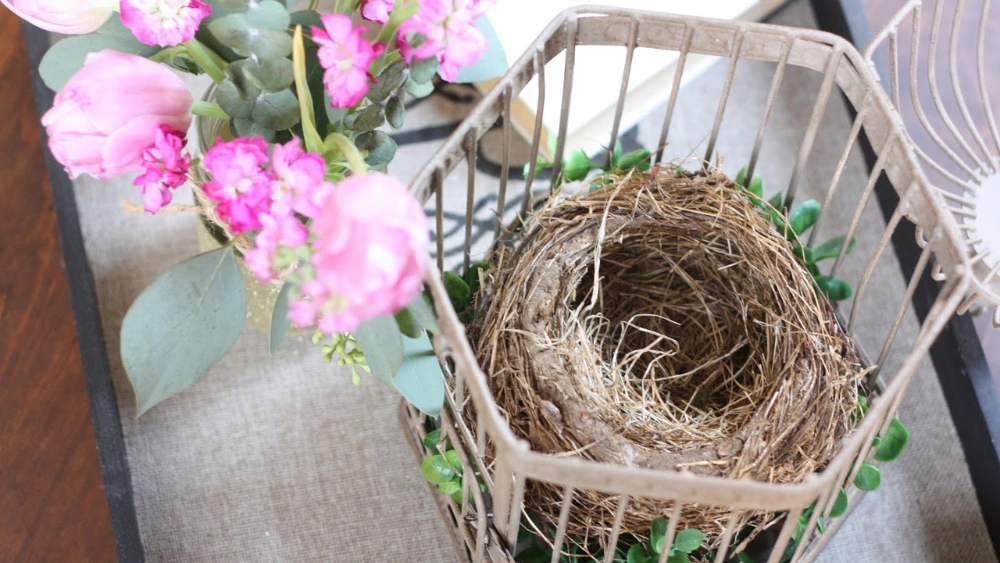
Have you ever stumbled upon a bird nest and marveled at its intricate design? Perhaps you’ve thought about preserving this natural wonder but weren’t sure where to start.
You’re not alone. Many people feel the same curiosity and desire to keep a part of nature’s beauty in their home. This guide on how to preserve a bird nest will provide you with easy-to-follow steps, ensuring you can safely and ethically transform a simple nest into a cherished keepsake.
Imagine the conversations and admiration it could inspire from friends and family. By the end of this article, you’ll not only learn how to preserve a bird nest but also understand the deeper connection it brings to the natural world. Dive in to discover the secrets behind preserving these delicate treasures.
Credit: www.callnorthwest.com
Choosing The Right Nest
Choosing the right bird nest to preserve is a key step that affects how well your project turns out. Not every nest is suitable for preservation, and picking one thoughtfully ensures you respect wildlife and create a lasting keepsake. Let’s look at how you can make a smart choice.
Types Of Bird Nests
Bird nests vary widely depending on the species. Some are simple cups made of twigs and leaves, while others are intricate structures built with mud, feathers, or even spider silk.
- Cup nests:Common among songbirds, these are open and easy to handle.
- Platform nests:Larger and flat, often found on tree branches or ledges.
- Burrow nests:Dug into the ground or banks, these are harder to preserve due to their location.
- Pendant nests:Hanging, woven nests that are delicate but striking.
Knowing the type helps you understand what kind of care and preservation method will work best.
Signs Of Abandoned Nests
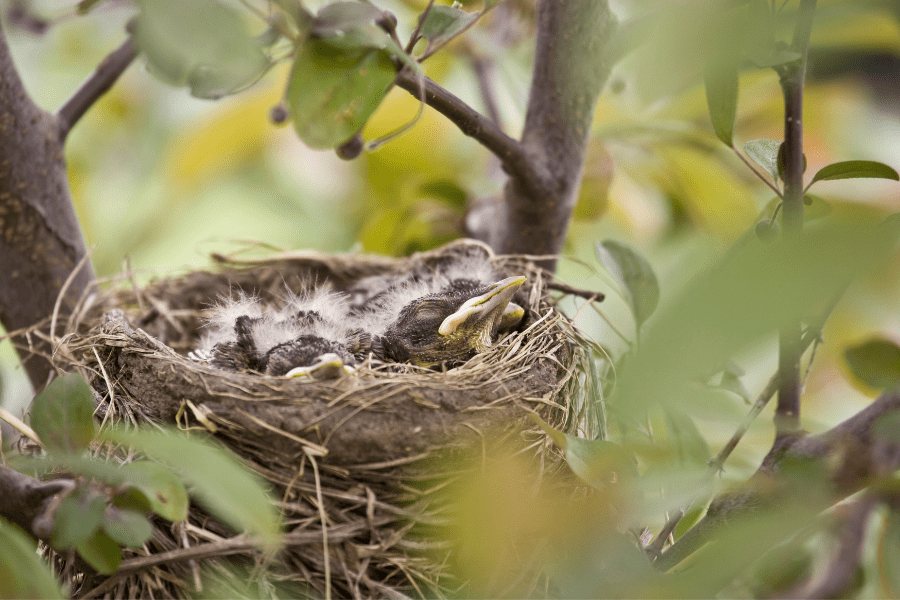
You must only preserve nests that are no longer in use. Taking an active nest harms birds and disrupts their breeding cycle.
- Look for absence of eggs or chicks.
- Check if the nest looks weathered or dusty, indicating no recent activity.
- Observe if adult birds are no longer visiting the nest.
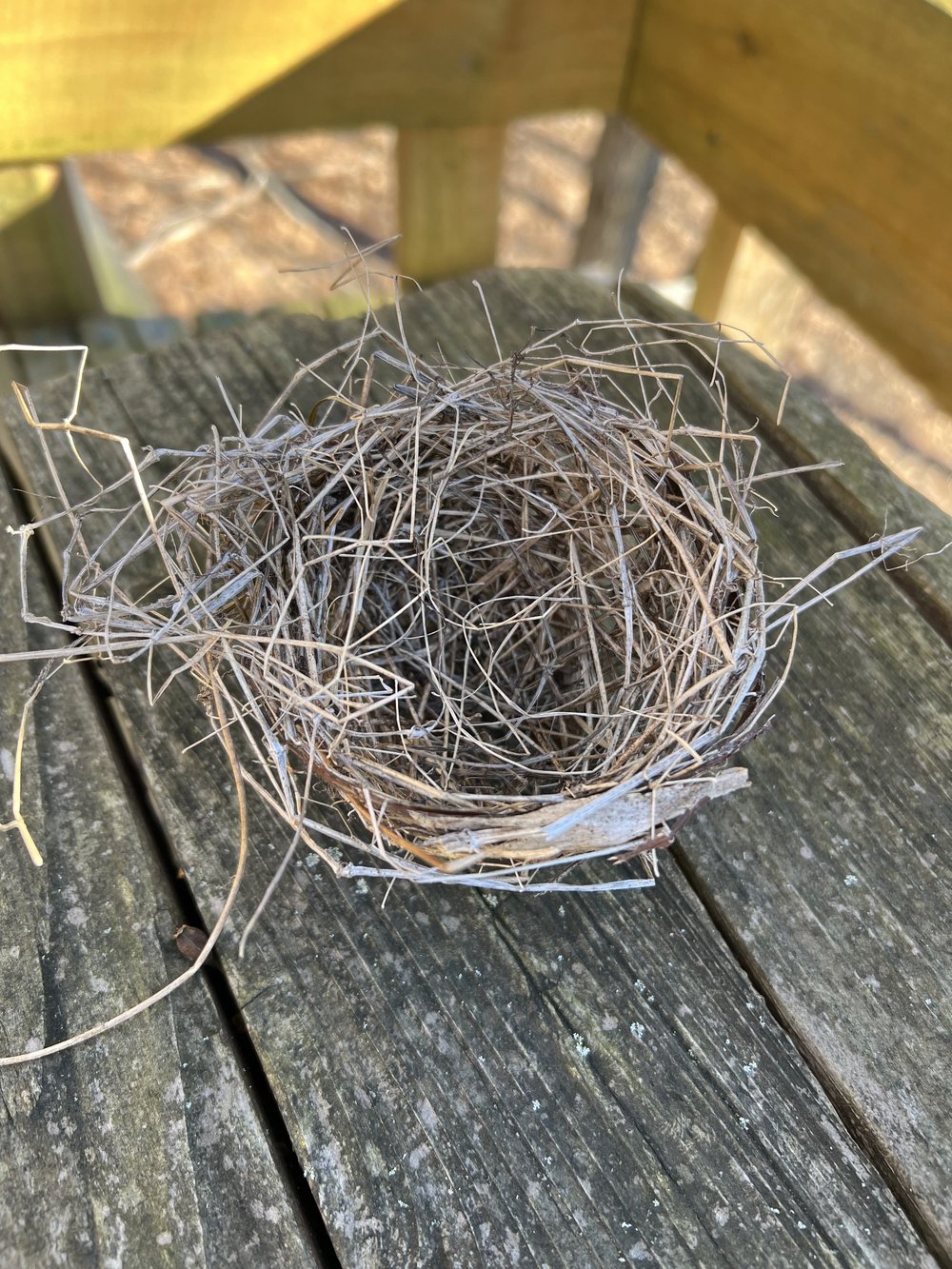
I once found a beautiful cup nest after the breeding season; it was empty and dry, perfect for preservation. Have you noticed these signs before deciding to keep a nest?
Ethical Considerations
Respect for wildlife should guide your decision. Avoid disturbing nests during breeding times and never take nests from protected areas.
Preserving a nest should be about appreciation, not disruption. Ask yourself if your actions could harm the birds or their environment.
Choosing an abandoned nest shows care for nature and ensures your keepsake carries a story of respect, not harm.
Credit: www.elevenmilefarm.com
Cleaning And Preparing
Cleaning and preparing a bird nest is essential to preserve its natural beauty and prevent any damage or decay. Proper cleaning removes dirt and harmful elements, while preparation ensures the nest stays intact for years to come. Taking time with this process can reveal more about the nest’s structure and the bird species that made it.
Removing Debris Safely
Start by gently shaking the nest to remove loose dirt and twigs. Use a soft brush or a pair of tweezers to carefully pick out leaves, feathers, or any stuck debris. Avoid using harsh tools or excessive force, as the nest materials are often fragile.
Have you noticed how some nests have tiny insects hiding in the crevices? Removing these without damaging the nest helps keep it clean and prevents infestation later on.
Disinfecting The Nest
Disinfecting the nest is crucial to kill bacteria and parasites without harming the delicate structure. Mix a mild solution of water and white vinegar (about 1 part vinegar to 3 parts water) and lightly mist the nest. Avoid soaking it, as too much moisture can weaken the nest fibers.
After misting, let the nest air out in a shaded, well-ventilated area. This method kills germs while preserving the natural materials and colors of the nest.
Drying Techniques
Proper drying prevents mold and keeps the nest sturdy. Place the nest on a flat surface lined with paper towels to absorb excess moisture. Turn it occasionally to ensure all sides dry evenly.
Using a fan on low speed can speed up drying, but never use direct heat like a hairdryer. If you’ve ever tried to dry wet leaves too quickly, you know how brittle they can become—handling the nest gently during drying is just as important.
Preservation Methods
Preserving a bird nest requires careful attention to the materials and methods used to keep its structure intact over time. The right approach helps maintain the nest’s natural beauty and prevents deterioration. Let’s explore some practical preservation methods you can try yourself.
Natural Preservatives
Using natural preservatives is a gentle way to protect the nest without harsh chemicals. Applying a light coat of beeswax or diluted linseed oil can help repel moisture and pests while keeping the nest flexible.
These substances soak into the fibers without making the nest stiff or brittle. Have you ever noticed how a well-oiled wooden tool lasts longer? The same idea applies here—natural oils shield the nest’s delicate materials.
Sealing And Coating
Sealing the nest adds a protective barrier against dust and humidity. Clear acrylic sprays or specialized bird-safe varnishes work well to create this shield.
Spray lightly and evenly, holding the can about 12 inches away to avoid heavy buildup. This method helps preserve the nest’s color and texture, making it easier to display or store.
Avoiding Damage
Handling the nest with care is crucial. Always support the base fully with both hands to prevent cracks or breaks.
Keep the nest away from direct sunlight and high humidity areas to avoid fading and mold growth. Have you considered storing your nest in a shadowed glass box? It limits dust and accidental touches, extending the nest’s lifespan significantly.

Credit: www.reddit.com
Displaying And Storing
Displaying and storing a bird nest requires care to keep its beauty and shape. Proper display shows off the nest’s natural charm. Safe storage protects it from damage over time. Both steps help preserve the nest for years.
Choosing Display Options
Select a display spot that keeps the nest safe and visible. Use shadow boxes or glass cases to protect the nest. Mount the nest on a stable base to prevent tipping. Keep the display away from direct sunlight to avoid fading.
- Shadow boxes with glass fronts
- Clear acrylic display cases
- Wooden or metal stands
- Wall mounts with secure brackets
Protecting From Elements
Keep the nest away from moisture and dust. Avoid placing it in humid or damp areas. Use silica gel packets nearby to absorb excess moisture. Cover the nest with a clear case to prevent dust buildup. Regularly check for insects or mold growth.
Long-term Storage Tips
Store the nest in a cool, dry place with low humidity. Wrap the nest gently in acid-free tissue paper. Place it inside a sturdy, ventilated box. Avoid heavy stacking to prevent crushing. Add mothballs or natural repellents to keep pests away. Inspect the nest periodically to ensure it stays intact.
Frequently Asked Questions
How Do I Safely Collect A Bird Nest?
Collect a bird nest only after it is abandoned. Wear gloves to avoid damage and contamination. Gently remove the nest with minimal disturbance.
What Materials Help Preserve A Bird Nest?
Use silica gel packets or dry cotton to absorb moisture. Store the nest in a breathable container to prevent mold growth.
Can I Display A Preserved Bird Nest Indoors?
Yes, display it in a glass case or shadow box. Keep it away from direct sunlight and humidity to maintain its condition.
How Long Does A Preserved Bird Nest Last?
Properly preserved nests can last many years. Avoid exposure to moisture, pests, and extreme temperatures to ensure longevity.
Conclusion
Preserving a bird nest takes care and patience. Choose a dry, safe spot away from direct sunlight. Handle the nest gently to keep its shape intact. Avoid using harsh chemicals or water. Keep it as natural as possible to protect its beauty.
Enjoy the unique charm of your preserved nest for years. Small efforts make a big difference in preserving nature’s art. Take pride in saving a piece of wildlife history.