

If you want your bird to stay healthy and vibrant, giving it the right vitamins is key. Vitamin A is especially important for your bird’s immune system, skin, and eyesight.
But how do you make sure your feathered friend gets enough without overdoing it? You’ll discover simple and safe ways to give your bird vitamin A. By the end, you’ll feel confident that you’re supporting your pet’s health the right way.
Keep reading to learn easy tips that will make a big difference for your bird’s well-being.

Credit: alexsbirdkingdom.com
Signs Of Vitamin A Deficiency
Vitamin A is essential for your bird’s health, but spotting a deficiency early can be tricky. Birds often hide signs of illness until symptoms become severe. Recognizing the signs of vitamin A deficiency can help you act quickly and prevent serious health issues.
Changes In Feather Quality And Color
One of the first signs you may notice is dull, dry, or brittle feathers. Your bird’s bright, smooth plumage might start looking patchy or faded. This happens because vitamin A supports healthy skin and feathers.
Frequent Respiratory Problems
If your bird is sneezing, wheezing, or has a runny nose often, vitamin A deficiency could be the cause. This vitamin helps maintain the mucous membranes in the respiratory tract. When levels drop, infections become more common.
Swollen Or Inflamed Eyes
Look for redness, swelling, or discharge around your bird’s eyes. These symptoms signal irritation and infection linked to low vitamin A. Ignoring these signs may lead to vision problems.
Poor Appetite And Weight Loss
Birds lacking vitamin A might lose interest in food or eat less than usual. This can result in noticeable weight loss and weakness. Have you seen your bird behaving less lively or refusing treats it once loved?
Difficulty Breathing Or Noisy Breathing
Labored or noisy breathing can indicate serious respiratory distress due to vitamin A deficiency. This symptom requires immediate attention. Don’t wait until your bird shows extreme discomfort.
Reduced Egg Production In Female Birds
Female birds with a vitamin A deficiency may lay fewer eggs or stop laying altogether. This change often goes unnoticed until you track their production carefully. Are you keeping an eye on your bird’s normal patterns?

Credit: birdsupplies.com
Sources Of Vitamin A For Birds
Vitamin A is essential for a bird’s health. It supports eyesight, skin, and the immune system. Birds cannot make vitamin A on their own. They must get it from their food. Understanding good sources helps you keep your bird healthy.
Natural foods rich in vitamin A are the best choice. Fresh fruits and vegetables provide this nutrient safely. Some seeds and pellets also contain vitamin A. Knowing these sources helps you plan a balanced diet.
Vegetables High In Vitamin A
- Carrots: Rich in beta-carotene, which converts to vitamin A.
- Sweet potatoes: A tasty source packed with vitamin A.
- Spinach: Offers vitamins and minerals, including vitamin A.
- Butternut squash: Full of beta-carotene for healthy vision.
- Red bell peppers: Bright and nutritious with vitamin A content.
Fruits Containing Vitamin A
- Mangoes: Sweet and full of vitamin A.
- Cantaloupe: Refreshing and rich in beta-carotene.
- Apricots: Small fruits with good vitamin A levels.
- Papaya: Tropical fruit high in vitamin A.
- Watermelon: Contains a modest amount of vitamin A.
Commercial Bird Foods With Vitamin A
- Fortified pellets: Often enriched with vitamin A and other nutrients.
- Seed mixes: Some include vitamin A-rich seeds like sunflower.
- Vitamin supplements: Use only as directed by a vet.
Safe Dosage And Administration
Giving your bird the right amount of vitamin A is key to keeping it healthy. Too little can cause health problems, and too much can be harmful. Proper dosage and careful administration ensure your bird gets enough vitamins without risk.
Understanding the safe dosage helps avoid overdosing. Birds have different needs based on their species, size, and diet. Administering vitamin A correctly supports their immune system, skin, and feathers.
Determining The Correct Dosage
Consult a vet for exact dosage recommendations. Dosage depends on bird species and weight. Avoid guessing or giving human supplements. Use bird-specific vitamin A supplements only.
- Small birds like finches need less vitamin A.
- Larger birds like parrots require higher doses.
- Overdosing may cause toxicity and organ damage.
Forms Of Vitamin A For Birds
Vitamin A comes in liquid, powder, and pellet forms. Liquid drops mix with water or food. Powders blend easily into bird feed. Pellets may already contain vitamin A.
- Liquid form allows precise measurement.
- Powder form suits birds that eat dry food.
- Pellets provide steady vitamin intake.
Safe Administration Techniques
Use clean tools to prevent infection. Administer vitamin A at the same time daily. Observe your bird for any reactions or changes.
- Mix liquid vitamin A in drinking water carefully.
- Add powder to fresh food, avoiding overdosing.
- Handle your bird gently to reduce stress.
Signs Of Vitamin A Overdose
Watch for signs like lethargy, loss of appetite, or swelling. Stop supplementation immediately if symptoms appear. Contact a vet for advice and treatment.
| Symptoms | Actions |
|---|---|
| Lethargy | Stop vitamin A, consult vet |
| Swollen abdomen | Seek veterinary care |
| Loss of appetite | Monitor closely, reduce dosage |
Monitoring Bird Health And Adjustments
Monitoring your bird’s health is key after giving Vitamin A. Watch for signs that show if the vitamin is helping or causing issues. Regular checks help you adjust the dose or method of giving the vitamin. This keeps your bird safe and healthy.
Look for changes in your bird’s behavior, feathers, eyes, and droppings. Healthy birds are active, have bright eyes, and clean feathers. Any dullness or strange behavior might mean the vitamin dose needs changing. Keep a daily log of these observations to track progress.
Signs Of Vitamin A Deficiency And Improvement
- Dull or brittle feathers
- Swollen or irritated eyes
- Breathing problems or nasal discharge
- Improved feather condition and energy levels indicate progress
Adjusting Dosage Safely
Start with a low dose as recommended by a vet. Increase slowly if no side effects appear. Stop or reduce the dose if your bird shows signs of overdose like vomiting or lethargy.
Regular Vet Check-ups
Schedule vet visits to test your bird’s vitamin levels. Vets can give advice on dosage changes. Blood tests help ensure your bird gets the right amount of Vitamin A.
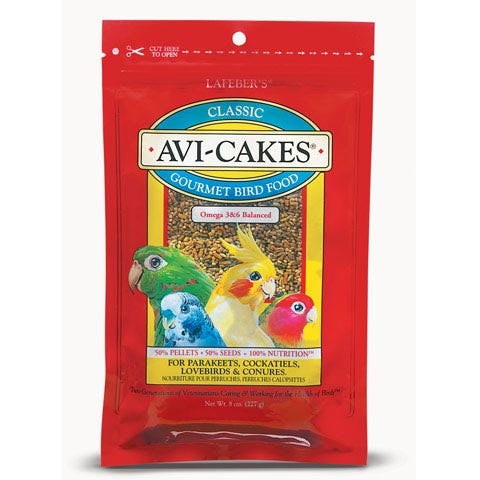
Credit: medium.com
Frequently Asked Questions
What Are Signs Of Vitamin A Deficiency In Birds?
Vitamin A deficiency in birds can cause respiratory issues, poor feather quality, and swollen eyes. Birds may also exhibit reduced appetite and lethargy. It’s crucial to recognize these symptoms early to address the deficiency promptly.
How Often Should I Give Vitamin A To Birds?
Vitamin A should be given to birds according to a vet’s recommendation. Generally, a balanced diet with vegetables and fruits like carrots and sweet potatoes can suffice. Over-supplementation can be harmful, so monitoring is essential.
Can I Use Supplements For Bird Vitamin A?
Yes, supplements can be used if dietary sources are insufficient. However, it’s best to consult a veterinarian before use. Over-supplementation can lead to toxicity, so accurate dosing is crucial.
Which Foods Are Rich In Vitamin A For Birds?
Carrots, sweet potatoes, and dark leafy greens are excellent Vitamin A sources for birds. These foods should be part of a balanced diet to ensure adequate intake of essential nutrients.
Conclusion
Giving your bird vitamin A helps keep it healthy and strong. Always offer the right amount to avoid problems. Use fresh foods like carrots and leafy greens for natural vitamins. Watch your bird closely for any changes in behavior or health.
Regular care and proper nutrition make a big difference. Small steps can lead to a happy, lively pet. Keep learning about your bird’s needs to provide the best care. Simple actions today protect your bird’s health tomorrow.