
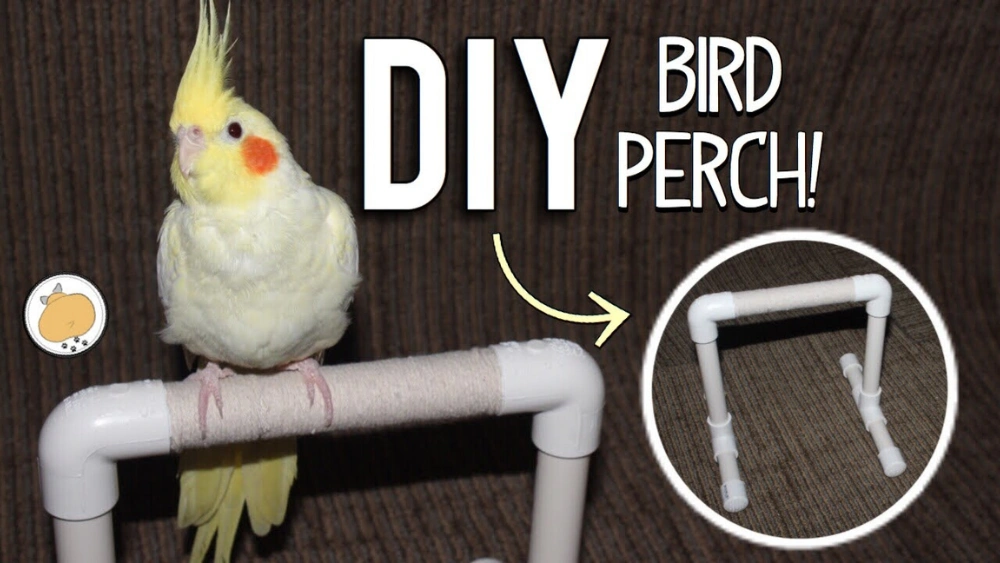
Imagine enhancing your feathered friend’s habitat with a touch of nature and creativity. Crafting natural bird perches not only enriches your bird’s environment but also offers a fun and rewarding project for you.
As you embark on this DIY adventure, you’ll discover how simple materials from your backyard can transform into delightful perches that mimic a bird’s natural habitat. You’ll be surprised at how much joy and comfort these perches can bring to your avian companion.
Ready to learn how? Keep reading to uncover the step-by-step guide and expert tips that will make your bird’s home a natural paradise.
Choosing Safe Wood
Choosing the right wood is important for making safe bird perches. Birds need wood that does not harm their feet or health. The wood should be strong but gentle enough for their claws. Natural wood is better than treated or painted wood. It provides a natural feel and helps birds grip comfortably. Picking safe wood keeps your birds happy and healthy.
Best Wood Types For Bird Perches
Some woods are perfect for bird perches. They are safe and easy to find. Here are some of the best types:
- Maple – Strong and smooth, great for all birds.
- Ash – Hard and durable, with a nice texture.
- Birch – Light wood, safe and gentle on feet.
- Apple – Natural and slightly fragrant, birds love it.
- Willow – Soft wood, easy for small birds to grip.
These woods do not have toxins or harmful resins. They hold up well to bird activity. Using these keeps perches safe and natural.
Avoiding Toxic Materials
Some woods and materials can harm birds. Stay away from wood treated with chemicals or paint. Avoid woods like:
- Pine – Can release harmful oils.
- Cedar – Strong smell can irritate birds.
- Redwood – Contains natural oils that are toxic.
Also, do not use pressure-treated or painted wood. These can contain poisons birds may ingest. Always check the wood is clean and untreated. Sand rough spots to avoid splinters. Safe wood means safe birds.
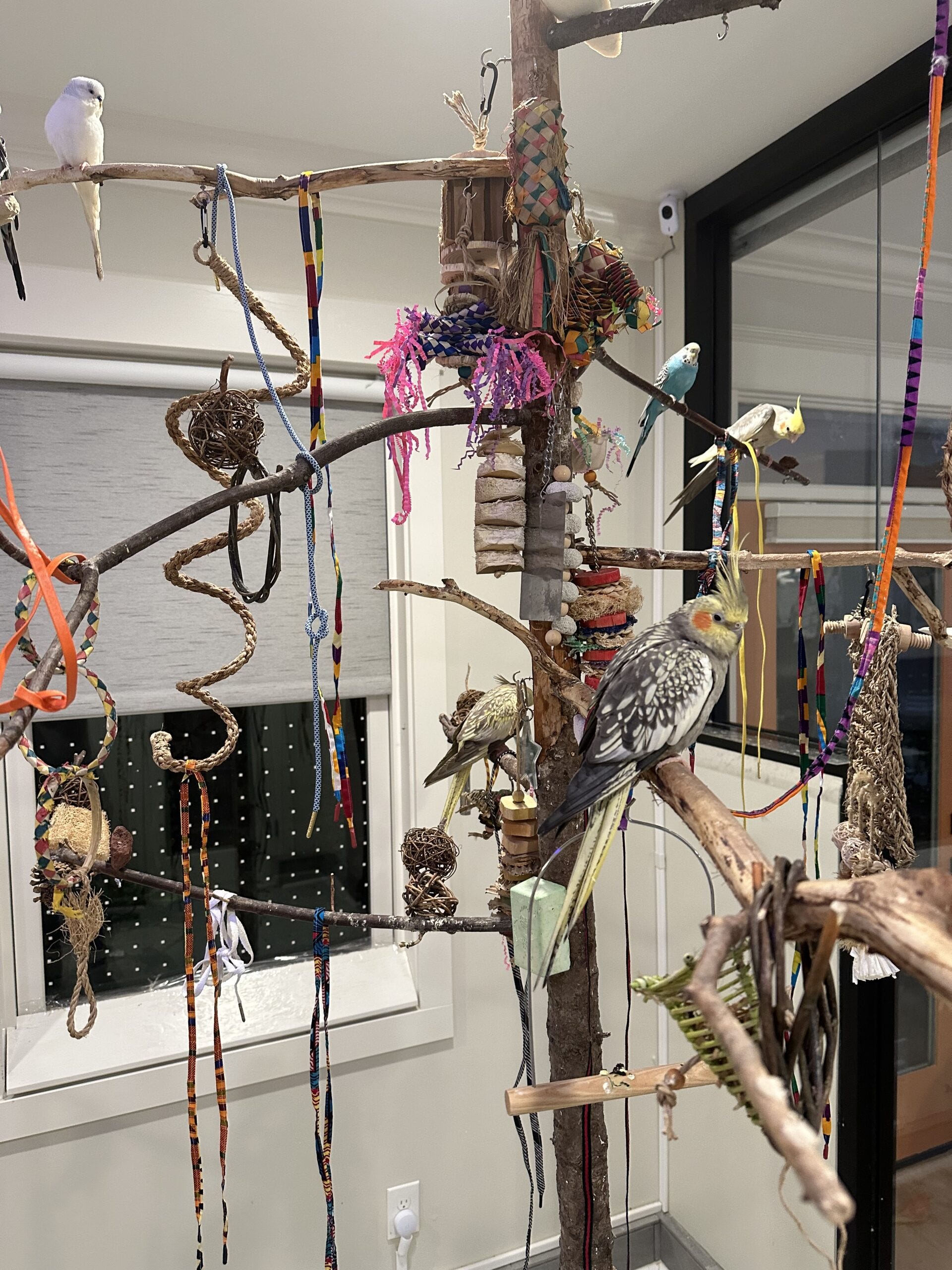
Credit: freerangeparrots.org
Gathering Tools And Materials
Gathering the right tools and materials sets the foundation for making natural bird perches. Choosing safe, natural items ensures your birds stay healthy and happy. Using simple tools helps create sturdy, smooth perches that birds enjoy.
Start by selecting branches that are free from pesticides and chemicals. Look for wood types safe for birds, such as apple, willow, or maple. Avoid toxic woods like cedar or pine. Collect materials that fit the size of your bird for comfortable perching.
Essential Tools For Diy Perches
- Pruning shears or a small saw to cut branches
- Sandpaper (medium and fine grit) for smoothing rough edges
- Drill with small bits for making holes if needed
- Measuring tape to get the right length
- Gloves to protect your hands while handling branches
Natural Finishes And Cleaners
- Warm water and mild soap for cleaning branches
- White vinegar to disinfect without harmful chemicals
- Natural oils like coconut or olive oil to condition the wood
- A clean cloth for applying finishes
- A well-ventilated space for drying perches safely
Step-by-step Perch Making
Making natural bird perches is simple and rewarding. It gives your birds a safe and fun place to rest. This guide breaks down the process into clear, easy actions. Follow these steps for a sturdy, natural perch.
Preparing The Wood
Choose a branch that is free of chemicals and pesticides. Look for wood that is dry and not rotten. Cut the branch to the size that fits your bird’s cage. Remove any loose bark, dirt, or insects. Wash the wood with warm water and let it dry completely. Avoid using treated or painted wood.
Shaping And Smoothing
Check the branch for sharp edges or splinters. Use sandpaper to smooth rough spots gently. Focus on areas where the bird will grip. Keep the natural shape to help birds feel comfortable. Avoid making the perch too smooth, as birds need grip. Test the surface with your hand to ensure safety.
Assembling And Securing
Decide how to attach the perch inside the cage. Drill small holes in the wood ends for screws or hooks. Use stainless steel screws or strong wire to fix the perch. Make sure it is tight and will not move. Position the perch at a comfortable height for your bird. Double-check stability before letting your bird use it.
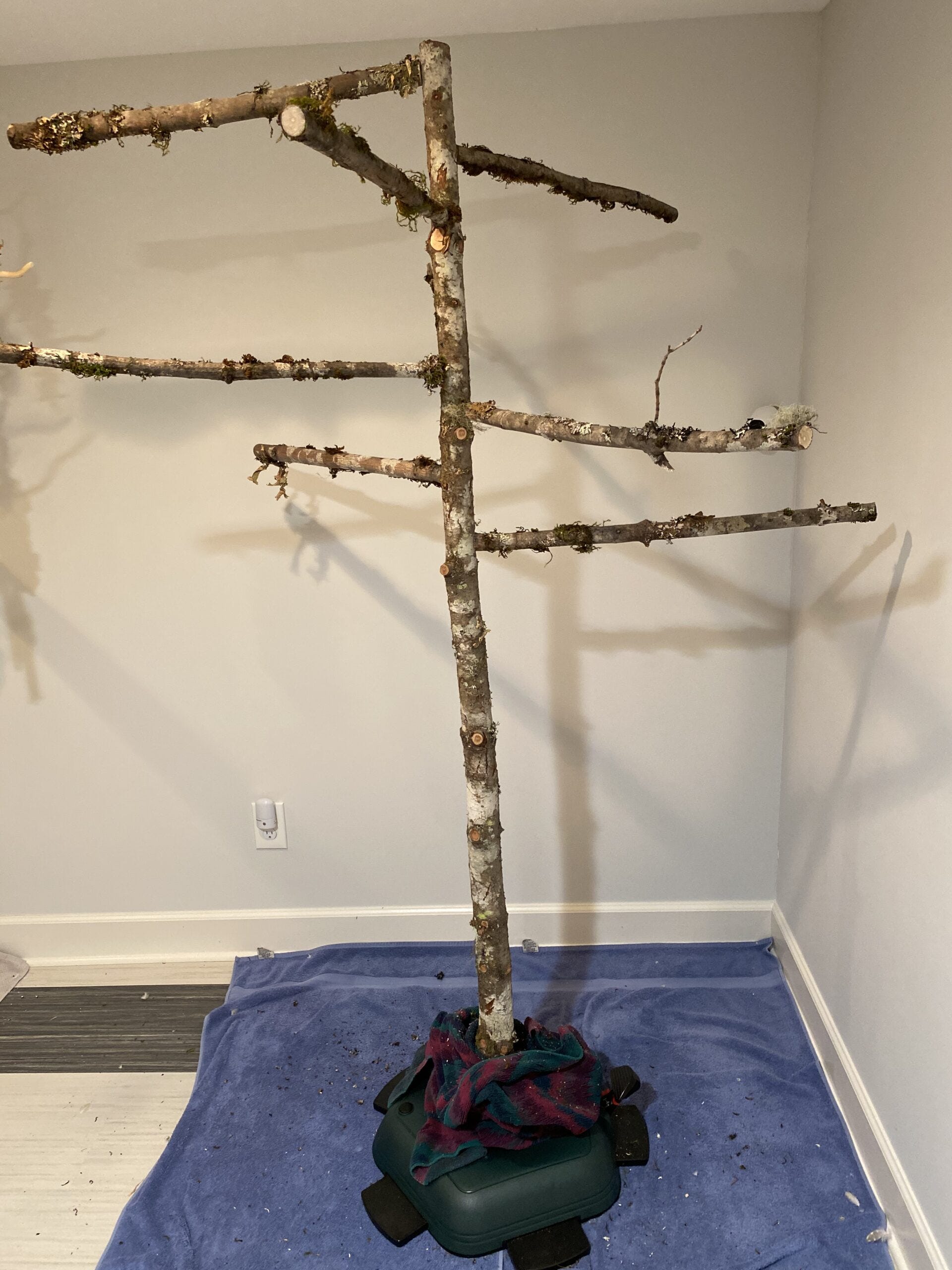
Credit: freerangeparrots.org
Maintaining And Replacing Perches
Maintaining and replacing natural bird perches is crucial for your feathered friend’s health and happiness. Over time, perches can accumulate dirt, bacteria, and wear down, which might affect your bird’s feet. Regular care ensures the perch stays safe, comfortable, and inviting for your pet.
Cleaning Tips For Longevity
Clean your natural bird perches regularly to keep them free from harmful germs. Use warm water and mild soap, avoiding harsh chemicals that might irritate your bird. Scrub gently with a soft brush to remove droppings and debris without damaging the wood.
After washing, rinse the perch thoroughly to remove any soap residue. Let it dry completely in a sunny spot, which also helps kill bacteria naturally. Frequent cleaning not only extends the perch’s life but also promotes a healthier environment for your bird.
Signs To Replace Perches
Knowing when to replace a perch can be tricky but crucial. Watch for cracks, splinters, or excessive wear that could injure your bird’s feet. If the perch becomes too smooth or loses its natural texture, it’s time to swap it out.
Also, if you notice a persistent bad odor or mold growth despite cleaning, discard the perch immediately. Your bird relies on you to provide safe and sturdy resting spots—how often do you check your perches for these warning signs?
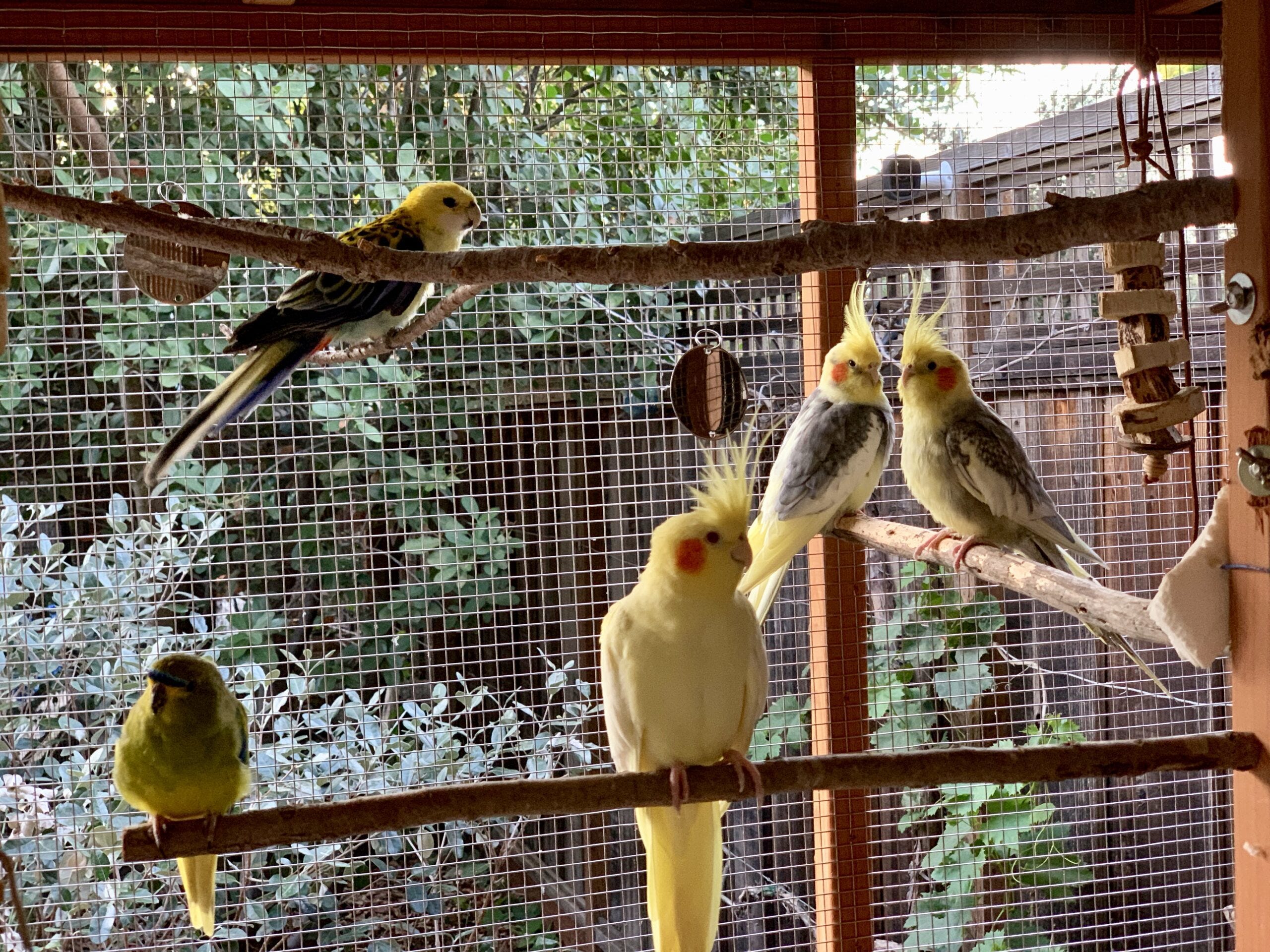
Credit: freerangeparrots.org
Frequently Asked Questions
What Materials Are Best For Natural Bird Perches?
Natural wood branches from non-toxic trees like apple, oak, or willow are ideal. Avoid treated or painted wood to keep birds safe.
How Do I Prepare Wood For Bird Perches?
Clean branches thoroughly, remove loose bark, and dry them completely. This prevents mold and ensures the perch is safe for birds.
What Size Should Natural Bird Perches Be?
Choose branches ¾ to 1 ½ inches thick to fit comfortably in your bird’s feet. Vary thickness to promote healthy foot exercise.
How Often Should Natural Bird Perches Be Replaced?
Replace perches every 6 to 12 months or when worn. Regular checks ensure safety and hygiene for your pet birds.
Conclusion
Natural bird perches bring comfort and safety to your birds. Using simple materials keeps the process easy and affordable. Birds enjoy the feel of natural wood under their feet. Making your own perch helps you control size and shape. It also adds a personal touch to their space.
Start with clean, untreated branches for the best results. Regular checks keep perches safe and sturdy. Your birds will thank you with happy chirps and play. Creating natural perches is a small effort with big rewards. Try it today and see the difference!