

Imagine a world where your backyard or local park buzzes with the vibrant activity of birds. Their cheerful chirping and colorful plumage add a touch of magic to your day.
But did you know that you have the power to create a haven for these feathered friends? By enhancing bird habitats, you can transform your surroundings into a paradise for birds, making their migration smoother and more enjoyable. You might wonder why this matters.
Well, birds play a crucial role in our ecosystem, from pollinating plants to controlling pests. Plus, witnessing their seasonal migrations is a fascinating spectacle. So, how can you make a difference? With a few simple changes, you can attract more birds to your area and help them on their long journeys. Dive into this article to discover actionable steps that will not only enrich your environment but also ensure you’re doing your part in supporting these incredible creatures. Ready to make a change? Let’s get started!

Credit: www.sciencedirect.com
Create Safe Nesting Areas
Creating safe nesting areas is essential for supporting bird populations and making their migration smoother. Birds need secure spots to lay eggs and raise their young without constant threats. By focusing on the right environment and materials, you can play a direct role in helping them thrive.
Choose Native Plants
Native plants attract local insects, which are a vital food source for many bird species. They also provide natural shelter and nesting materials. Plant shrubs, trees, and flowers that grow naturally in your area to create a familiar and safe habitat for birds.
Think about the last time you noticed birds gathering around your garden. Were there native plants nearby? If not, adding these can quickly change the landscape into a bird-friendly zone.
Avoid Pesticides
Pesticides harm insects and can poison birds directly. Avoid using chemical sprays or treatments in your garden to keep birds safe. Instead, try natural pest control methods like handpicking pests or using companion planting to deter unwanted bugs.
Have you ever seen fewer birds after spraying chemicals? Many people overlook this connection, but reducing pesticide use can lead to a noticeable increase in bird visits.
Provide Shelter Options
Birds need more than food—they need protection from predators and harsh weather. Adding birdhouses, brush piles, or dense hedges offers shelter and safe nesting spots. Make sure birdhouses have the right size entrance holes for the species you want to attract.
Consider where you place these shelters. Are they hidden from cats and other predators? Placing them in quiet, low-traffic areas makes birds feel more secure and encourages them to stay longer.
Enhance Food And Water Sources
Enhancing food and water sources helps birds survive and thrive. Food gives them the energy to migrate long distances. Water keeps them hydrated and healthy. Simple changes in your garden create a welcoming place for birds during migration and all year.
Plant Fruit-bearing Shrubs
Fruit-bearing shrubs provide natural food for many birds. Birds eat berries and seeds from these plants. Choose native shrubs like elderberry, dogwood, and serviceberry. These plants attract birds and support local ecosystems. Plant them in sunny or partly shaded spots. They offer shelter and food at the same time.
Set Up Bird Feeders
Bird feeders offer extra food when natural sources are scarce. Use feeders with different seed types like sunflower, millet, and nyjer. Clean feeders often to prevent disease. Place feeders in safe areas away from predators. This helps birds rest and refuel during migration.
Maintain Clean Water Spots
Birds need fresh water for drinking and bathing. Provide shallow water dishes or small ponds. Change the water daily to keep it clean. Avoid deep containers to prevent drowning. Water spots near food sources make it easier for birds to find both.
Reduce Migration Barriers
Reducing migration barriers helps birds travel safely across long distances. Birds face many challenges during migration. Human-made structures and light pollution can confuse or harm them. Protecting stopover habitats gives birds a place to rest and feed. These actions support birds’ survival and healthy migration.
Minimize Window Collisions
Birds often cannot see clear glass and fly into windows. This causes injuries and death. Use window decals or films to make glass visible. Placing screens or netting outside windows helps too. Positioning feeders and plants away from windows reduces collisions.
Limit Light Pollution
Bright city lights confuse migrating birds at night. They stray off course and waste energy. Turn off unnecessary outdoor lights during migration seasons. Use motion sensors or timers for essential lights. Shield lights to direct them downward and reduce sky glow.
Preserve Stopover Habitats
Birds need safe places to rest and eat during migration. Wetlands, forests, and meadows provide food and shelter. Protect these areas from destruction and pollution. Plant native trees and shrubs to create new habitats. Support local conservation projects focused on these vital sites.

Credit: iowacapitaldispatch.com
Engage In Community Efforts
Engaging in community efforts plays a vital role in improving bird habitats and easing their migration. Working together with others creates a stronger impact than acting alone. Communities can share resources, knowledge, and passion for protecting birds. Small actions add up to big changes in local environments.
Joining local groups and spreading awareness helps build a network of bird supporters. Communities can influence local policies and encourage neighbors to care for birds. Collective effort leads to safer, greener spaces for birds to thrive and travel.
Join Conservation Groups
Conservation groups focus on protecting birds and their habitats. Joining these groups connects you with people who share your interest. Groups organize cleanups, plant native trees, and build birdhouses. They also monitor bird populations and report threats. Your participation helps multiply the effort and reach more areas.
Promote Bird-friendly Policies
Local laws affect bird habitats and migration paths. Communities can push for policies that protect green spaces and reduce hazards. Support rules that limit pesticide use and protect wetlands. Encourage building designs that reduce window collisions. Advocate for safe road crossings in key migration zones. These policies create safer environments for birds every year.
Educate Neighbors And Friends
Sharing knowledge about birds inspires others to take action. Talk about simple ways to help birds, like planting native flowers or keeping cats indoors. Host birdwatching events or workshops to spark interest. Use social media to spread tips and success stories. Educated neighbors become allies in creating bird-friendly neighborhoods.
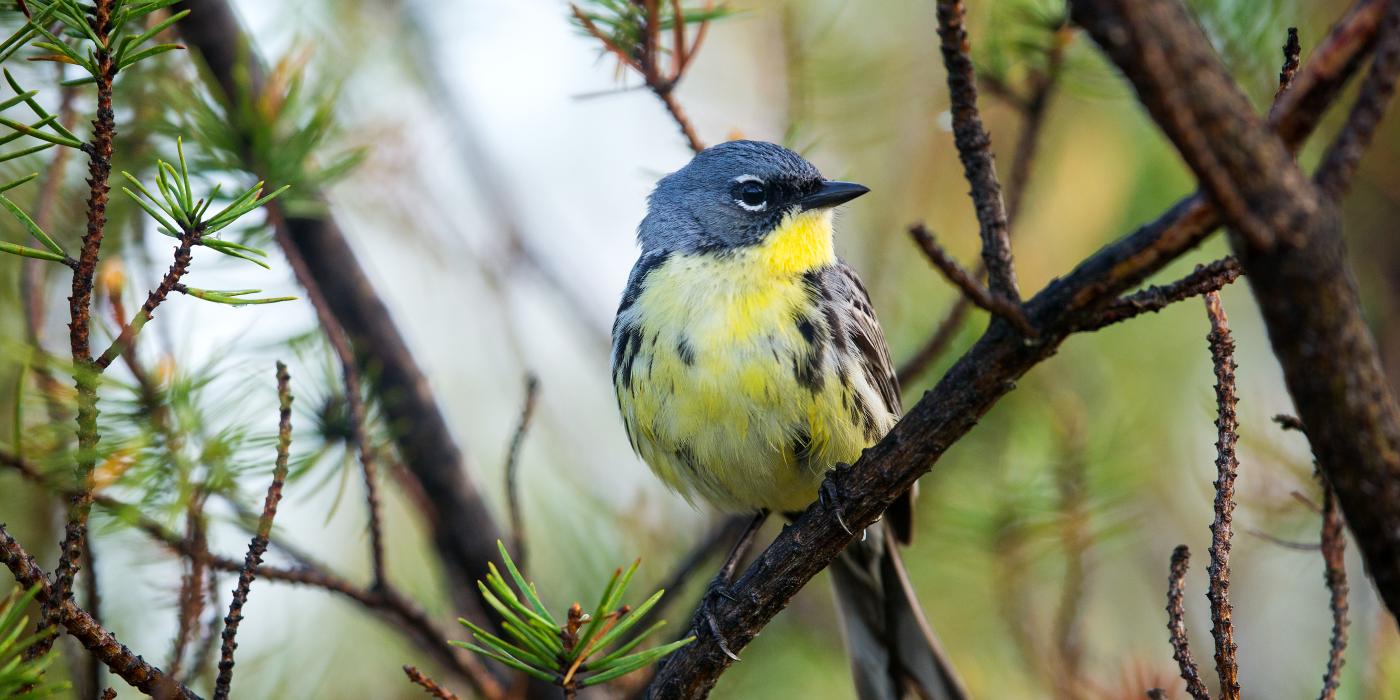
Credit: nationalzoo.si.edu
Frequently Asked Questions
How Can Planting Native Plants Improve Bird Habitats?
Planting native plants provides birds with natural food and shelter. These plants support local insects, which are vital bird food. Native vegetation also offers safe nesting sites, enhancing bird survival and reproduction. This practice strengthens local ecosystems and promotes biodiversity effectively.
What Are Simple Ways To Make Bird Migration Easier?
Providing water sources and food stops helps migrating birds rest and refuel. Creating safe corridors with trees and shrubs guides their path. Avoiding pesticides and minimizing light pollution also protect birds during migration, ensuring safer journeys.
Why Is Reducing Pesticide Use Important For Bird Habitats?
Pesticides kill insects that birds rely on for food. They also poison birds directly through contaminated prey. Reducing pesticide use preserves natural food chains and promotes healthier, safer environments for bird populations to thrive.
How Do Birdhouses Support Bird Migration And Habitats?
Birdhouses offer safe nesting and resting spots, especially in urban areas. They protect birds from predators and harsh weather. Properly placed birdhouses can encourage species to breed and rest during migration, improving survival rates.
Conclusion
Helping birds thrive starts with small, smart actions. Plant native trees and keep water clean. Build safe spaces for nesting and resting. Avoid using harmful chemicals near their habitats. Support efforts that protect migration paths. Every step makes a difference for birds on the move.
Together, we can create safer, healthier places for them to live and travel. Simple changes today mean brighter skies for birds tomorrow.