

Finding a bird’s nest with eggs nearby can be exciting, but what if it’s in a spot that puts the eggs at risk? You might wonder how to move a bird’s nest with eggs safely without harming the fragile lives inside.
It’s natural to want to protect these tiny creatures, but the process needs care and the right approach. In this guide, you’ll discover simple, effective steps to relocate a bird’s nest while keeping the eggs safe. Keep reading to learn how you can help nature without causing harm.
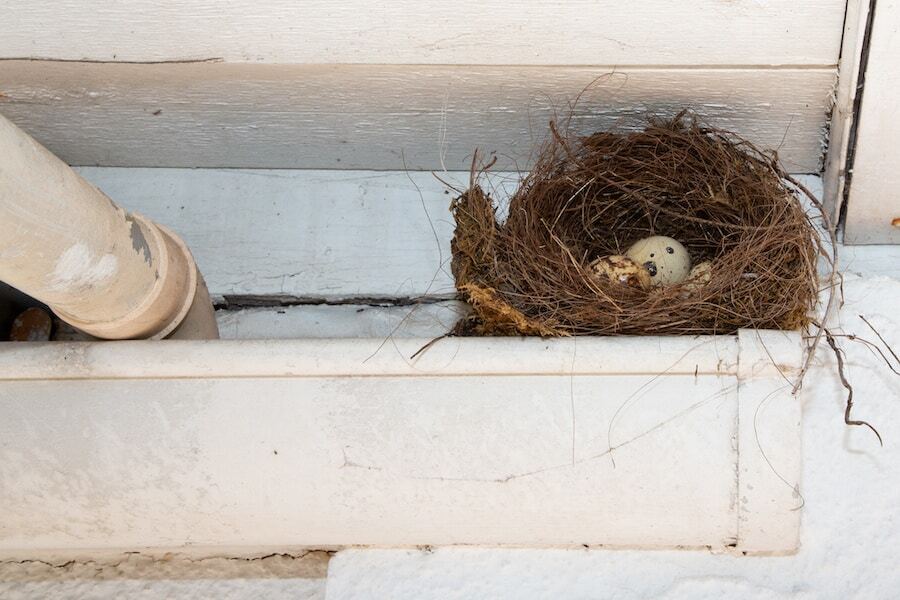
Credit: www.callnorthwest.com
When To Move A Bird’s Nest
Knowing when to move a bird’s nest is crucial to protect both the birds and yourself. Moving a nest at the wrong time can harm the eggs or disturb the birds permanently. Timing and understanding the reasons behind a move help ensure the best outcome for everyone involved.
Legal Considerations
Before you touch a bird’s nest, check local laws. Many birds, especially native species, are protected by law, making it illegal to move or disturb their nests without permission.
For example, in the United States, the Migratory Bird Treaty Act prohibits handling nests of migratory birds without a permit. Ignoring this can lead to fines or legal trouble.
Contact your local wildlife agency or a licensed wildlife rehabilitator if you’re unsure. They can guide you on the legal steps and whether moving the nest is even allowed.
Signs A Move Is Necessary
Sometimes, moving a nest is unavoidable. You should consider a move if the nest is in immediate danger from predators, construction, or harsh weather conditions.
Look for signs like frequent disturbance by pets, heavy foot traffic near the nest, or damage caused by storms. These can threaten the survival of the eggs or chicks.
If the nest is built on unstable ground or in a place where it risks falling, moving it carefully might save the eggs. However, ensure the new location is safe, sheltered, and close to the original spot to avoid confusing the parent birds.
Have you ever noticed a nest so close to human activity that it seemed doomed? That’s a clear sign you need to act quickly but wisely.

Credit: www.yahoo.com
Preparing For The Move
Moving a bird’s nest with eggs requires careful preparation to ensure the safety of the eggs and the well-being of the birds. Taking time to prepare properly can make a big difference in the success of the move. You need to think about what tools you’ll need and where the nest should be placed to keep the eggs safe and warm.
Gathering Supplies
Before you start, collect all the supplies you might need. This includes a small box or container that can hold the nest securely without crushing it. Soft materials like cotton or tissue paper can be used to cushion the nest inside the container.
Make sure to have gloves on hand to protect both yourself and the birds from germs. You may also want to have a small spray bottle with water to keep the eggs moist during the move. Preparing these items ahead of time saves you from rushing and possibly making mistakes.
Choosing A New Location
Picking the right spot for the nest is crucial. Look for a place that is similar to the original location in terms of shade, height, and protection from wind and predators. The new site should be quiet and away from heavy foot traffic or pets.
Think about how close the new location is to the original one. Moving the nest too far can confuse the parent birds and reduce the chances of them returning. Have you considered the impact of weather conditions on the new spot? Avoid areas exposed to strong sunlight or heavy rain.
Step-by-step Moving Process
Moving a bird’s nest with eggs requires careful attention and a gentle touch. The process must protect the eggs and keep the nest intact. Follow clear steps to ensure the safety of the birds and their future chicks.
Handling The Nest And Eggs
Wear clean gloves to avoid transferring scents or oils. Gently support the nest from underneath with both hands. Avoid touching the eggs directly if possible. If eggs need to be moved, use a soft cloth or small container for support. Keep movements slow and steady to prevent shaking.
Transporting Safely
Choose a stable container or box lined with soft materials like cloth or leaves. Place the nest securely inside without squeezing it. Keep the container covered to protect from wind and predators. Transport the nest quickly but carefully. Avoid sudden stops or bumps during the trip.
Securing The Nest In Place
Select a safe spot close to the original location, sheltered from weather and predators. Use branches or supports to hold the nest firmly. Make sure it is stable and will not fall or sway in the wind. Check the area for potential dangers like cats or strong winds. Leave quietly and observe from a distance to avoid disturbing the birds.
Aftercare And Monitoring
After carefully moving a bird’s nest with eggs, your role doesn’t end there. The next phase, aftercare and monitoring, is crucial to ensure the birds can continue their journey safely. You need to be alert and gentle, balancing your presence without causing distress.
Watching For Parental Return
One of the first signs of success is seeing the parent birds come back to the nest. They might hesitate at first, especially if the nest has been handled. Stand back quietly and observe from a distance to avoid scaring them away.
If the parents don’t return within a few hours, don’t panic immediately. Sometimes they take longer to accept the new location. However, if several days pass with no sign of them, it might be time to contact a local wildlife expert for advice.
Ensuring Nest Stability
After moving the nest, check that it remains secure in its new spot. A wobbly or loose nest risks eggs falling or predators gaining access. Use natural materials like twigs or leaves to gently reinforce the nest’s position without disturbing the eggs.
Look out for weather changes too. Strong winds or rain can damage an unstable nest. If the nest is exposed, consider creating a small shelter nearby—but keep it discreet to avoid attracting unwanted attention.

Credit: www.yahoo.com
Frequently Asked Questions
Can You Legally Move A Bird’s Nest With Eggs?
In many places, it’s illegal to move a bird’s nest with eggs. Laws like the Migratory Bird Treaty Act protect birds. Before taking any action, check local regulations. If legal, consult wildlife experts to ensure the nest’s safety and the bird’s well-being.
Why Would You Need To Move A Bird’s Nest?
Sometimes nests pose safety risks or are in inconvenient locations. Moving might be necessary if the nest endangers birds or humans. Always prioritize the birds’ safety and seek expert advice. Ensure relocation is legal and done correctly to avoid harm.
How Do You Safely Move A Bird’s Nest?
First, consult a wildlife expert or local authorities. Wear gloves to protect from parasites. Gently relocate the nest nearby, ensuring it’s stable and safe. Mimic the original environment as closely as possible. Monitor the nest to ensure the birds return.
Will Birds Abandon Their Nest If Moved?
Birds might abandon a moved nest due to stress or disruption. Proper relocation techniques can minimize this risk. Always ensure minimal disturbance and maintain the nest’s original conditions. Monitoring the birds’ behavior post-relocation is crucial for their safety.
Conclusion
Moving a bird’s nest with eggs takes care and patience. Handle the nest gently to avoid harm. Place it close to the original spot for safety. Watch quietly from a distance to see if the birds return. Nature can be sensitive, so respect the birds’ space.
This small act helps protect baby birds. Keep learning about wildlife to help more in the future. Every effort counts for the birds’ well-being and growth. Simple steps can make a big difference in their lives.