
Have you ever wondered how birds, with their tiny bodies and seemingly simple lifestyles, manage to eat and digest their food so efficiently? The process is more fascinating than you might think.
Birds have a unique digestive system that allows them to break down their meals quickly and effectively. This system is crucial for their survival, enabling them to stay light enough to fly while getting all the nutrients they need. Imagine the journey your own food takes from plate to stomach.
Now, think about how different that journey must be for a bird. By understanding how birds digest food, you can gain deeper insights into their behaviors and why certain foods are vital for their health. Get ready to uncover the intriguing steps of a bird’s digestive process, from beak to cloaca. Trust us, you won’t look at birds the same way again after discovering how their bodies work to nourish them.
Birds’ Unique Digestive Anatomy
Birds have a special digestive system designed for their unique diet and lifestyle. Their anatomy helps process food quickly and efficiently. This system supports their high energy needs and light body weight for flight. Understanding these parts reveals how birds eat and digest food.
Beak And Mouth Functions
Birds use their beaks to catch and break down food. The beak shape varies with diet type. Some beaks crack seeds, while others catch insects or fish. Inside the mouth, saliva moistens food to ease swallowing. Birds lack teeth, so the beak does all the initial food handling.
Role Of The Esophagus And Crop
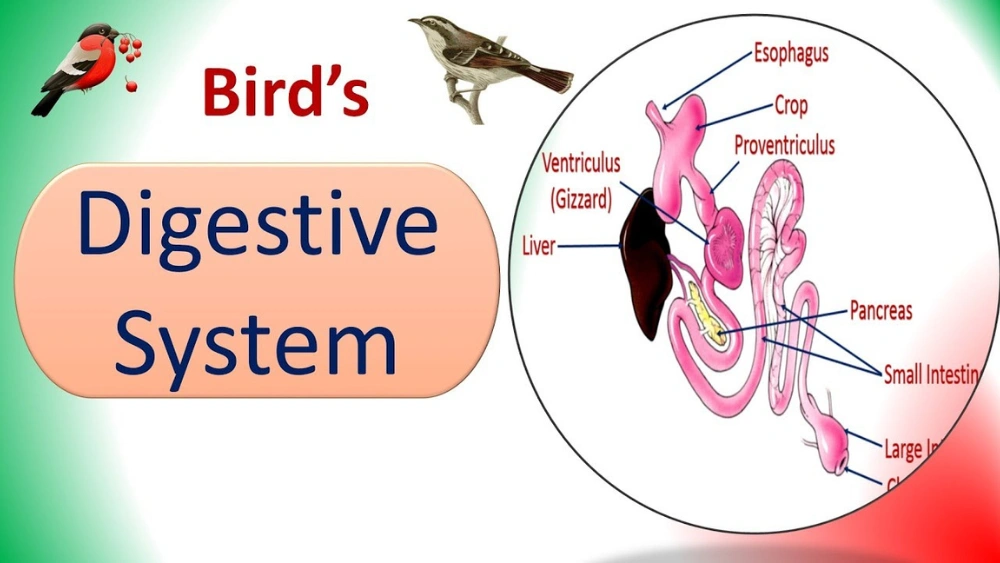
The esophagus is a tube that moves food from the mouth to the stomach. Many birds have a crop, a pouch in the esophagus. The crop stores food temporarily. It allows birds to eat large amounts quickly and digest later. The crop also softens food before it moves further down.
Credit: lafeber.com
Stomach And Gizzard Mechanics
The stomach and gizzard play crucial roles in how birds digest their food. These organs work together to break down food efficiently, preparing it for nutrient absorption. Understanding their mechanics can give you a clearer picture of the bird’s unique digestive process and why it differs from mammals.
Chemical Digestion In The Proventriculus
The proventriculus is the bird’s true stomach where chemical digestion begins. It releases digestive enzymes and acids that start breaking down proteins and other nutrients. This stage is essential because it softens the food, making it easier for the next phase of digestion.
Imagine how important this step is if you’ve ever tried to eat tough, dry food without chewing properly. The proventriculus does that for birds, acting like their built-in “chemical blender.”
Grinding Action Of The Gizzard
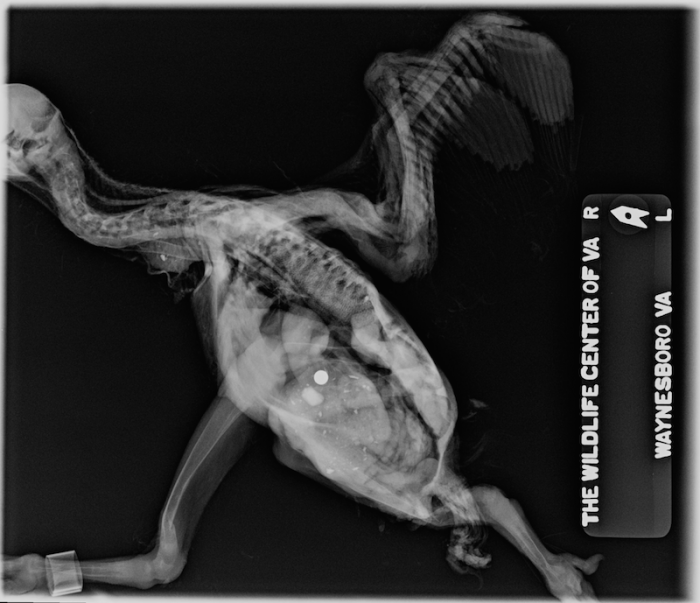
After chemical digestion, the food moves to the gizzard. This muscular organ grinds the food using small stones or grit the bird has swallowed. This physical breakdown is vital because birds don’t have teeth to chew their food.
The gizzard’s grinding action is so powerful that it can crush seeds and hard insect shells. If you’ve ever seen a bird eating sunflower seeds, you might have wondered how it manages to get inside the tough shell—this is how.
Have you ever thought about how your body would handle food without teeth or a tongue? The bird’s gizzard fills that gap, showing an incredible adaptation for survival.
Nutrient Absorption In The Intestines
Understanding how birds absorb nutrients in their intestines can change the way you view their eating habits and health. The intestines are where most of the magic happens after food leaves the stomach. Here, nutrients are extracted and sent into the bloodstream to fuel everything from flight to feather growth.
Small Intestine’s Role
The small intestine is the main site for nutrient absorption in birds. Its lining is covered with tiny finger-like structures called villi, which increase the surface area to absorb more nutrients efficiently.
As food moves through, enzymes break down proteins, fats, and carbohydrates into smaller molecules. These molecules then pass through the walls of the small intestine and enter the bloodstream.
Think about how your own digestion feels sluggish if you eat too much or too fast. Birds, on the other hand, have an efficient small intestine that quickly absorbs what they need, so they can stay light and agile in flight.
Large Intestine And Waste Formation
The large intestine in birds is much shorter than in mammals. Its main job is to absorb water and electrolytes from the remaining food matter.
After water absorption, the leftover material becomes more solid and forms the bird’s waste. This process helps birds conserve water, an important factor for species living in dry environments.
Have you noticed how birds don’t spend much time in one place? Efficient waste formation allows them to stay light and mobile, which is crucial for survival in the wild.

Credit: www.dreamstime.com
Adaptations For Different Diets
Birds have unique digestive systems adapted to their diets. These adaptations help them get the most nutrients from the food they eat. Different diets require different tools and processes inside a bird’s body. These changes improve digestion and energy use.
Carnivorous Vs. Herbivorous Birds
Carnivorous birds eat meat. They have sharp beaks to tear flesh. Their stomachs produce strong acids to break down proteins fast. Their digestive tracts are shorter to move food quickly.
Herbivorous birds eat plants. Their beaks are often flat or curved for cutting leaves and seeds. They have longer intestines to digest tough plant fibers. Some have special bacteria that help break down cellulose.
Seed-eaters And Specialized Digestion
Seed-eating birds have strong, thick beaks to crack hard shells. They swallow seeds whole and use a muscular gizzard to grind them. The gizzard often contains small stones to help crush seeds.
These birds rely on mechanical digestion more than chemical. Their intestines are adapted to absorb nutrients from tough seed coatings. This system helps them survive on a diet rich in seeds.

Credit: cluckitallfarms.com
Frequently Asked Questions
How Do Birds Break Down Their Food?
Birds use their beaks to tear food into small pieces. Food then moves to the crop for storage. The stomach grinds food using strong muscles and grit. Enzymes help digest nutrients efficiently.
What Role Does The Crop Play In Bird Digestion?
The crop temporarily stores food after swallowing. It softens food, allowing birds to eat quickly and digest later. This adaptation helps birds manage food intake and digestion timing.
How Does The Gizzard Aid Bird Digestion?
The gizzard is a muscular stomach part that grinds food. Birds often swallow small stones to help crush tough food. This mechanical digestion allows birds to extract more nutrients.
Why Is Enzyme Secretion Important In Bird Digestion?
Enzymes break down food molecules into absorbable nutrients. Birds secrete enzymes in the stomach and intestines. This process ensures efficient nutrient absorption for energy and health.
Conclusion
Birds digest food through a unique and efficient process. Their strong beaks break food into small pieces. The crop stores food temporarily before digestion. The stomach uses acids and enzymes to break down food. The gizzard grinds food with small stones inside.
Nutrients pass into the bloodstream to fuel the bird’s body. This system helps birds stay active and healthy. Understanding bird digestion reveals how nature designs life to work smoothly. It shows the special ways animals survive and thrive every day.