

Are you tired of watching your bird feeders swing wildly in the wind, spilling seeds and scaring away your feathered visitors? If so, you’re not alone.
Many bird enthusiasts face the same challenge. It’s frustrating to see your carefully chosen feeders spinning like a carnival ride, rather than serving their purpose. But don’t worry, there are simple and effective ways to keep your bird feeders steady and inviting.
Imagine transforming your yard into a peaceful haven for birds, where they can dine undisturbed. This guide will show you how to achieve just that. Read on to discover practical tips that will make your backyard the favorite dining spot for your local birds. You won’t want to miss these solutions that can save you time, money, and frustration.
Causes Of Bird Feeder Movement
Bird feeders swinging can be more than just a minor annoyance—it can scare away your feathered visitors and spill precious seed. Understanding what causes this movement is key to keeping your feeder steady and your birds happy. Let’s look closely at the common reasons behind the swinging.
Wind And Weather Conditions
Wind is the most obvious culprit for a swinging bird feeder. Even a gentle breeze can make a feeder sway if it hangs from a thin wire or branch. Storms and gusty weather increase this effect, causing more vigorous swinging that might even damage your feeder.
Have you noticed how some days the feeder barely moves, while on others it seems to dance wildly? That’s the direct impact of changing wind patterns around your yard.
Bird Activity And Weight Shift
Birds landing and hopping around can also cause movement. When a heavy bird like a cardinal or a group of small birds lands simultaneously, their combined weight shifts the feeder. This back-and-forth motion can keep the feeder swinging even after they fly away.
Imagine a restless crowd jumping on a trampoline—your feeder experiences a similar effect. The more birds you attract, the more likely the feeder will swing.
Poor Hanging Setup
If the feeder’s hanging mechanism isn’t sturdy or balanced, it will swing easily. Thin cords, loose hooks, or uneven attachments can amplify any small movements. Choosing the right hanging gear can reduce unnecessary swinging.
Think about how a balanced load feels steady in your hand while an unbalanced one wobbles. Your feeder needs the same careful setup to stay still.
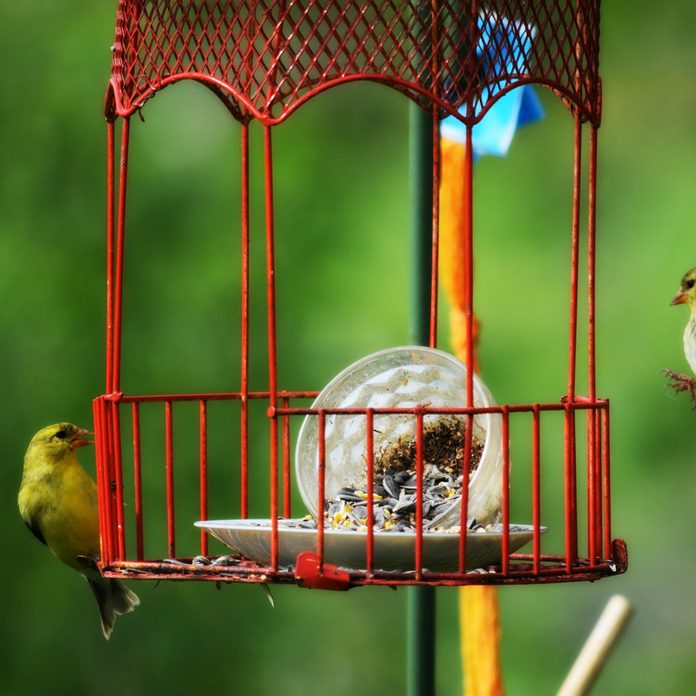
Credit: www.familyhandyman.com
Choosing Stable Feeder Designs
Choosing stable feeder designs plays a big role in keeping bird feeders from swinging. A steady feeder helps birds feel safe while feeding. It also reduces seed waste caused by movement. Stability depends on the shape, weight, and hanging style of the feeder.
Opt for feeders that have a low center of gravity. This means heavier parts are near the bottom. Such feeders resist swinging even in windy conditions. Look for feeders made with sturdy materials like metal or thick plastic. They tend to hold their shape better and stay balanced.
Weighted Bottom Feeders
Feeders with weighted bottoms stay steady by design. The added weight at the base stops swinging. These feeders are less likely to spin or sway. Birds find it easier to perch on them. Weighted bottoms are often hidden inside the feeder for a neat look.
Platform Feeders With Wide Bases
Platform feeders with wide bases provide a large surface area. The broad base helps balance the feeder. It reduces side-to-side movement. Birds can land and feed comfortably without causing swings. These feeders are great for multiple birds at once.
Tube Feeders With Stabilizing Rods
Tube feeders often come with stabilizing rods or braces. These rods attach to the hanger or pole. They limit the feeder’s swing range. This design offers extra support in windy areas. Tube feeders also keep seeds clean and dry.
Feeders With Short Hanging Chains
Short chains or cables reduce feeder movement. They limit how far the feeder can swing. A short hanging chain keeps the feeder close to the support. This reduces the impact of wind or bird activity. It also makes the feeder easier to reach for refilling.
Effective Installation Techniques
Effective installation techniques play a crucial role in keeping your bird feeder steady. A swinging feeder not only frustrates you but can also scare away the birds you’re trying to attract. By focusing on how you hang and secure the feeder, you can create a stable feeding spot that invites feathered visitors without the unwanted motion.
Choosing A Stable Hanging Point
Start by selecting a strong, stable branch or pole. Avoid thin branches that easily sway in the wind. If you use a pole, make sure it’s firmly planted in the ground and doesn’t wobble.
Have you noticed how a feeder hanging from a thick branch stays much steadier than one on a flimsy hook? Stability at the top makes all the difference.
Using Rigid Mounting Hardware
Replace flexible strings or thin cords with rigid materials like metal chains or sturdy wires. These materials reduce the feeder’s movement because they don’t stretch or bend easily.
Adding a swivel hook can also help. It allows the feeder to rotate gently without swinging wildly.
Securing With Additional Supports
Add side supports to your feeder setup. For example, run thin wires or fishing lines from the feeder to nearby fixed points. This creates tension that limits side-to-side swinging.
This technique worked well for me when my feeder was constantly swinging in the breeze. Adding just two tensioned lines stopped the movement almost completely.
Installing Windbreaks Around The Feeder
Wind is the main cause of feeder swinging. Installing windbreaks such as shrubs, lattice panels, or even a small fence nearby can reduce wind flow. This reduces the feeder’s motion significantly.
Have you tried placing your feeder in a sheltered corner of your yard? It’s a simple but effective way to keep it steady.
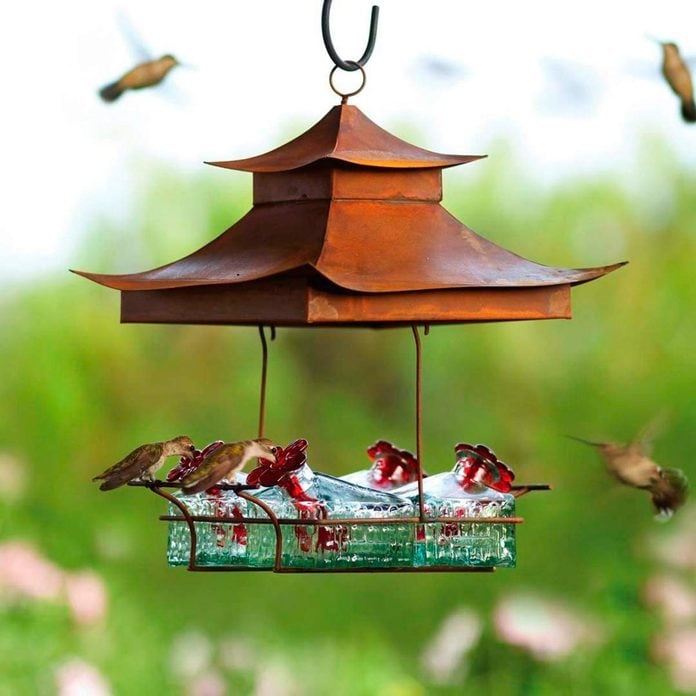
Credit: www.familyhandyman.com
Diy Solutions To Reduce Swinging
Keeping your bird feeder steady can make feeding time more enjoyable for both you and the birds. Swinging feeders not only spill seeds but can also scare away timid visitors. You don’t need expensive gadgets to stop the swinging; simple DIY fixes can do the trick.
Using Weights To Stabilize The Feeder
Adding weight to the bottom of your feeder helps keep it grounded. You can use small stones or attach a weight bag filled with sand or gravel. Secure the weight firmly so it doesn’t fall off during strong winds.
Have you noticed how a heavier feeder doesn’t sway as much? That’s because the added mass resists movement better. Try experimenting with different weights to find the perfect balance for your setup.
Attaching A Support Line Below The Feeder
Tie a string or thin wire from the bottom of your feeder to a stationary object below, like a tree branch or a hook. This line acts as a stabilizer, limiting side-to-side motion.
Make sure the string is taut but not so tight that it pulls on the feeder unnaturally. This simple trick can reduce swinging dramatically without affecting bird access.
Installing A Baffle Or Wind Shield
Wind is often the main cause of feeder movement. Installing a baffle or wind shield around the feeder helps block gusts. You can create one using clear plastic or lightweight wood panels placed strategically around the feeder.
Position your shield so it doesn’t block birds’ approach but still breaks the wind. It’s a gentle way to calm the feeder’s movement without changing its look.
Securing The Hanger With Additional Support
Sometimes the hanging mechanism is the weak spot causing swinging. Reinforce the hanger by adding extra hooks or using a sturdier wire. You can even twist two wires together to increase stability.
Check your hanger regularly for wear and tear. A stronger hanger means less movement and longer-lasting feeder support.
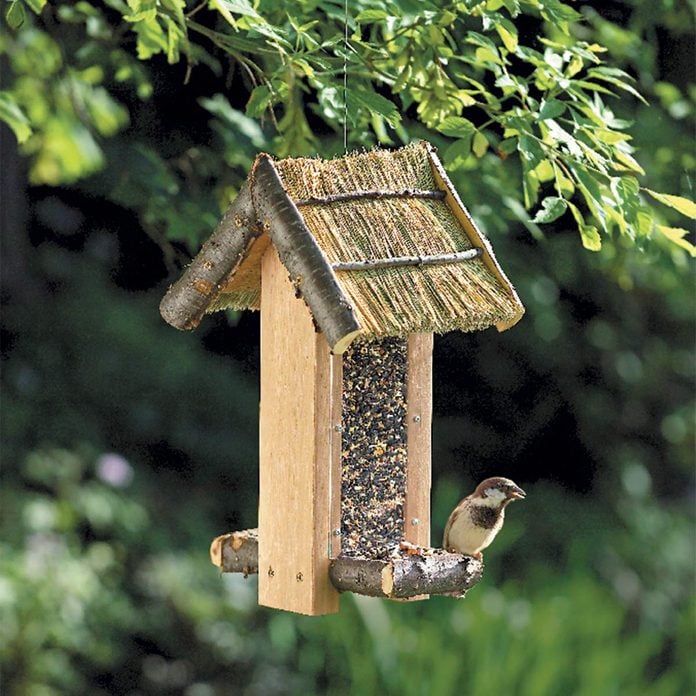
Credit: www.familyhandyman.com
Frequently Asked Questions
How Can I Stop My Bird Feeder From Swinging?
To stop swinging, secure the feeder with a sturdy bracket or attach a weight below it. Use flexible, strong wire and install a stabilizing rod to reduce movement caused by wind or birds.
What Materials Prevent Bird Feeders From Moving Too Much?
Use heavy-duty chains, cables, or rigid rods to stabilize feeders. Adding a weight or using a baffle below also helps minimize swinging caused by wind or bird activity.
Does Feeder Placement Affect Swinging?
Yes, placing feeders near walls or sheltered areas reduces wind exposure. Avoid open, windy spots to minimize swinging and provide a calmer feeding environment for birds.
Can Wind Baffles Reduce Feeder Swinging Effectively?
Wind baffles block gusts and protect feeders from swinging. Installing baffles above or around feeders stabilizes them and prevents excessive movement caused by strong winds.
Conclusion
Keeping bird feeders steady helps birds feed safely and comfortably. Simple steps like adding weight or using a stabilizer work well. Avoiding swinging also keeps seed spill low and stops feeders from breaking. Try these easy tips to enjoy watching birds without disturbance.
A calm feeder attracts more birds and makes your garden peaceful. Small changes make a big difference for your feathered friends.