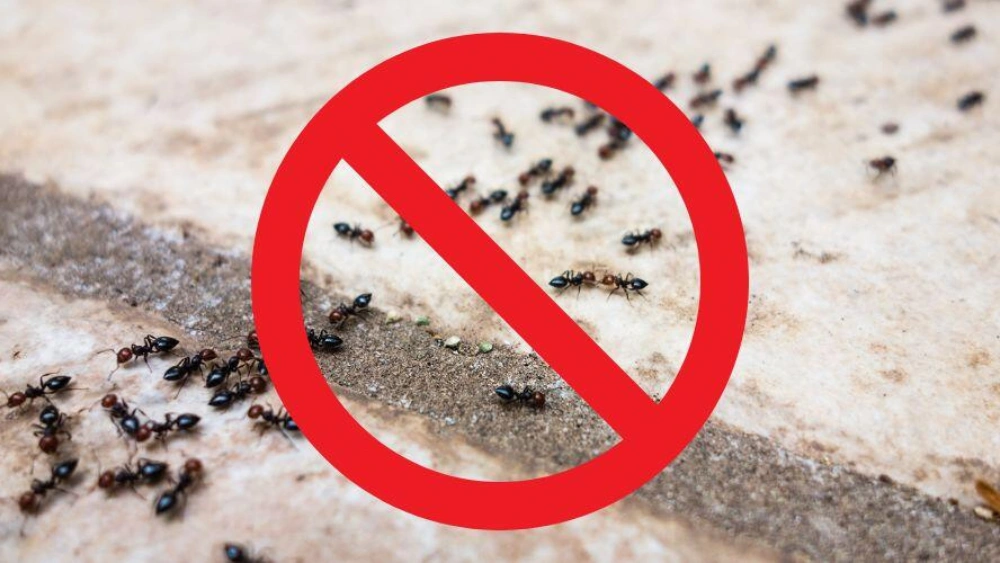
Are you tired of finding ants swarming around your bird cage? It’s not just frustrating, it’s potentially harmful for your feathered friend.
You’ve probably tried wiping, cleaning, and even relocating the cage, but those tiny invaders just keep coming back. Imagine a peaceful home where your bird chirps happily without the disturbance of ants. Sounds perfect, right? Keep reading to discover simple, effective strategies to protect your bird cage from these unwanted guests.
You’ll learn how to create a safe, ant-free environment, allowing you and your bird to enjoy each day without worry. Don’t miss out on these proven tips that can transform your space into an ant-free zone!
Credit: medium.com
Common Ant Attractants
Ants are constantly searching for easy access to food and shelter. Understanding what attracts them near your bird cage is the first step to keeping them away effectively. Let’s look closely at the common ant attractants that often go unnoticed but can invite these tiny invaders.
Food Sources Near Cages
Bird food spills are a major magnet for ants. Even a few dropped seeds or crumbs can create a trail right to your bird’s cage. You might not realize how often small bits fall outside the feeder until ants start appearing.
Try to clean up any scattered food immediately. Using a tray under the cage can catch messes before ants find them. Also, avoid sugary treats or fruit near the cage since ants love sweet things.
Moisture And Shelter
Ants need water just like your bird does. Damp areas around the cage, such as spilled water or wet bedding, become perfect spots for ants to thrive. I once noticed ants swarming after a water dish overflowed unnoticed.
Keep the cage area dry and check for any leaks or spills regularly. Also, clutter near the cage provides hiding spots where ants can build nests undisturbed. Clear away excess materials to reduce their shelter options.
Seasonal Ant Behavior
Ant activity changes with the seasons. During warm months, ants are more aggressive in searching for food and water. In contrast, they may retreat indoors during cold or rainy weather, making your bird cage a convenient target.
Pay attention to local ant patterns. If you see more ants around certain times of the year, adjust your cleaning routine and cage placement accordingly. This simple awareness can save you a lot of frustration.
Preventive Measures
Keeping ants away from your bird cage is easier when you focus on prevention. Ants are persistent, but small changes in how you care for your cage can make a big difference. These preventive measures help create an environment that ants don’t want to invade.
Cleaning And Maintenance
Regular cleaning is your first line of defense. Ants are attracted to leftover food and crumbs, so removing these quickly stops them from settling in.
Make it a habit to wipe down food trays and cage floors daily. Don’t forget to clean under the cage and any surrounding areas where food might drop.
Changing your bird’s water daily also prevents ants from being drawn by moisture. Think about the last time you left crumbs around—did ants appear shortly after? That’s how sensitive they are.
Using Natural Barriers
Natural substances can create effective barriers without harming your bird. Sprinkle cinnamon, coffee grounds, or diatomaceous earth around the cage base.
These materials disrupt the ants’ scent trails, confusing them and making your bird’s space less inviting. A friend once used cinnamon and noticed ants stopped coming within a day.
Try placing a small dish of vinegar near the cage as well. The strong smell repels ants but won’t bother your bird.
Proper Cage Placement
Where you place your bird cage matters a lot. Avoid locations close to ant nests or areas that are damp and warm, as these attract ants.
Elevate the cage off the ground using stands or tables. Ants usually crawl rather than fly, so making their path harder helps keep them out.
Have you checked if your cage’s location has nearby plants or soil that could house ants? Moving the cage just a few feet can reduce ant visits dramatically.
Safe Ant Control Methods
Keeping ants away from your bird cage without harming your feathered friends is a priority. Safe ant control methods focus on protecting both your birds and your home environment. Using gentle, non-toxic approaches can help you manage ants effectively while ensuring your birds stay healthy and stress-free.
Non-toxic Repellents
Non-toxic repellents are a great first step. Substances like cinnamon, vinegar, and lemon juice create smells ants dislike, making your bird cage area less appealing. You can sprinkle cinnamon around the cage base or wipe down surfaces with diluted vinegar to keep ants at bay.
These options are safe for birds and easy to apply regularly. Have you tried mixing a few drops of essential oils like peppermint or eucalyptus with water for a natural spray? Just be cautious with strong scents around birds and test in small amounts.
Physical Deterrents
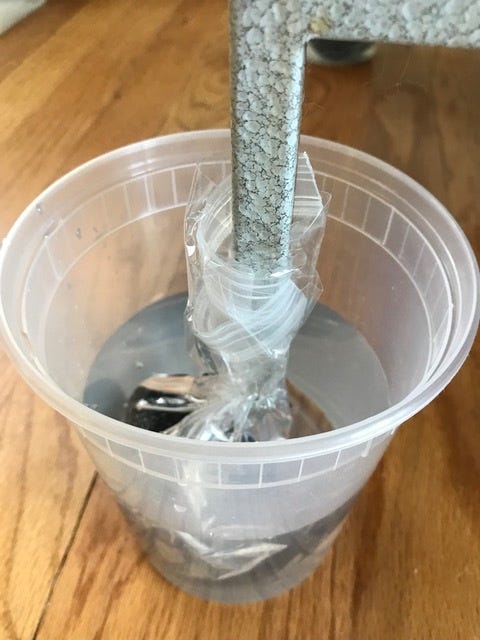
Physical barriers stop ants from reaching your bird cage. Placing sticky tape or petroleum jelly on the cage legs can block their path effectively. Some bird owners have found success using a shallow water moat around the cage stand to create a natural ant trap.
Keeping the cage clean and removing any spilled food immediately also reduces ant attraction. How often do you check under the cage? Regular cleaning combined with physical barriers drastically cuts down ant visits.
When To Use Chemical Solutions
Chemical solutions should be your last resort and used with extreme care. If ants become a severe problem, opt for bird-safe insecticides applied outside the cage area only. Avoid sprays or powders inside the cage to prevent exposure to your birds.
Always read labels thoroughly and follow instructions precisely. Ask yourself: is the ant problem worth risking your bird’s health? Often, safe repellents and barriers solve the issue without chemicals.

Credit: www.chewy.com

Credit: www.reddit.com
Frequently Asked Questions
How Can I Naturally Repel Ants From Bird Cages?
Use natural repellents like cinnamon, vinegar, or lemon juice around the cage base. These scents deter ants without harming birds.
What Cleaning Habits Prevent Ants Near Bird Cages?
Regularly clean food spills and cage debris. Keep the area dry and free from crumbs to avoid attracting ants.
Are Ant Barriers Safe For Birds?
Yes, non-toxic barriers like petroleum jelly or diatomaceous earth can keep ants away safely. Avoid chemical pesticides near birds.
Why Do Ants Invade Bird Cages Frequently?
Ants seek food and moisture. Bird feed crumbs and water spills attract them, so maintaining cleanliness reduces their presence.
Conclusion
Keeping ants away from your bird cage is simple with the right steps. Clean the cage and area often to stop ants from coming. Use natural barriers like cinnamon or vinegar to block ants. Check food and water dishes daily to avoid spills.
These small actions protect your birds and keep the cage safe. Stay consistent, and ants will stay away for good. Your birds will be happier and healthier in a clean home. Simple habits bring big results. Try these tips and enjoy a pest-free bird cage.