
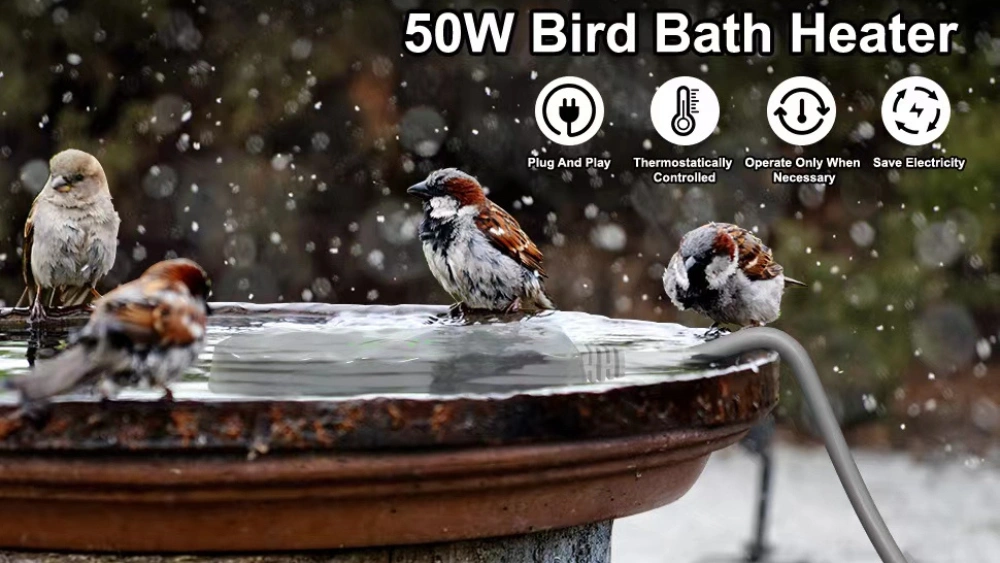
Are you tired of seeing your bird bath freeze over in the winter months? Do you worry about your feathered friends struggling to find a warm spot to drink and bathe?
You’re not alone. Many bird enthusiasts face the challenge of keeping their bird baths ice-free during the cold season. But what if you could easily heat your bird bath to a cozy 50 degrees, ensuring a welcoming oasis for birds even on the chilliest days?
Imagine the joy of watching birds frolic in your backyard, regardless of the weather. Stick around, and discover simple, effective ways to maintain the perfect temperature in your bird bath, transforming your garden into a haven for birds all year round.
Choosing The Right Heater
Choosing the right heater for your bird bath is crucial to keep the water at a comfortable 50°F during chilly days. A well-selected heater not only protects the birds but also ensures energy efficiency and durability. Let’s look at how you can pick the perfect heater that matches your needs and keeps your feathered friends happy.
Types Of Bird Bath Heaters
There are several types of heaters designed specifically for bird baths. Each has its pros and cons, so understanding them will help you decide what fits your setup best.
- Submersible Heaters:These go directly into the water and provide consistent warmth. They are great for smaller baths but require careful handling to avoid electrical hazards.
- Heated Bowls:These are bird baths with built-in heating elements. They offer convenience and safety but can be pricier than separate heaters.
- Heated Pads or Mats:Placed under or around the bird bath, these warm the surface to prevent freezing. They don’t heat the water as directly but are easier to install.
- Floating Heaters:These float on the water surface, providing gentle warmth without needing to be submerged. They often have automatic shutoff features.
Think about where you place your bird bath and how much warmth you want to provide. Would a built-in heated bowl save you time and hassle, or do you prefer the flexibility of a submersible heater?
Safety Features To Consider
Safety should be your top priority when selecting a bird bath heater. Birds are sensitive, and you want to avoid any risk of injury or electrical problems.
- Automatic Shutoff:This feature prevents overheating and saves energy by turning the heater off when the temperature reaches the set point.
- Waterproof Design:Since the heater will be near or in water, it must be fully waterproof to prevent short circuits.
- Low Voltage Operation:Heaters running on low voltage reduce the risk of electric shock, making them safer around wildlife.
- Durable Materials:Look for heaters made with corrosion-resistant parts to withstand outdoor conditions.
Have you checked whether the heater you’re eyeing has these safety features? Investing in a safe heater protects both your birds and your property.

Credit: birdertown.com
Diy Heating Solutions
Keeping a bird bath warm helps birds stay healthy during cold days. DIY heating solutions are simple and effective. These options use easy-to-find materials and save money. You can maintain water temperature near 50°F to keep birds comfortable. Below are two popular ways to heat your bird bath at home.
Using Submersible Aquarium Heaters
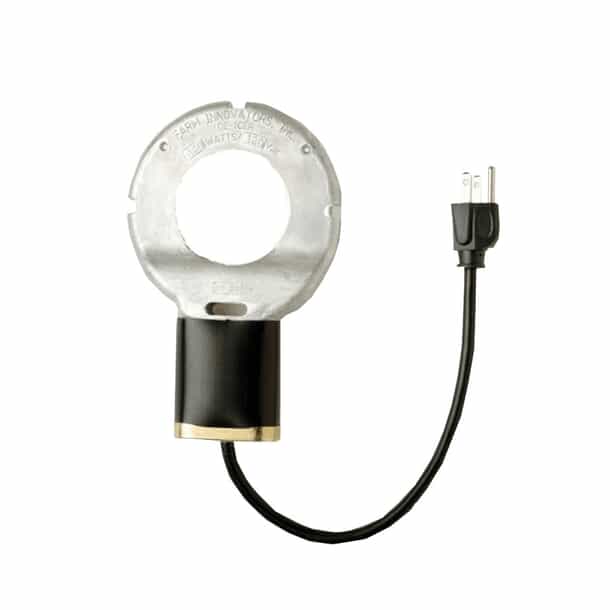
Submersible aquarium heaters work well for small to medium bird baths. They fit underwater and keep water warm without risk. Choose a heater with adjustable temperature control. Set it to 50°F to avoid overheating. Place the heater securely to prevent tipping or damage.
- Use a waterproof heater rated for outdoor use
- Check the heater’s wattage matches your bird bath size
- Ensure a power source nearby with a GFCI outlet for safety
- Clean the heater regularly to prevent algae buildup
This method offers consistent warmth and is easy to install. It uses low electricity and keeps water safe for birds.
Solar-powered Heating Options
Solar-powered heating uses the sun’s energy to warm the bird bath. It suits sunny locations and eco-friendly setups. Solar panels charge a battery during the day. The battery powers a small water heater at night or on cold days.
- Select a solar heater kit designed for outdoor water features
- Place solar panels where they get full sun
- Use insulation around the bird bath to keep heat longer
- Monitor battery charge to ensure continuous heating
This setup saves energy and works without electrical outlets. It’s quiet and needs little maintenance once installed.
Maintaining Safe Water Temperature
Maintaining a safe water temperature in your bird bath is vital for the health and comfort of visiting birds. Water that is too cold can discourage birds from drinking, while water that is too hot may cause burns or stress. Keeping the water around 50°F creates a safe and inviting environment during colder months.
Careful attention to water temperature helps prevent harm and supports bird hydration. Using simple tools and techniques ensures the water stays within a safe range all day long.
Monitoring With Thermometers
Use a reliable thermometer to check water temperature regularly. Digital or floating thermometers work well for bird baths. Place the thermometer in the water and wait a few minutes for an accurate reading. Check the temperature at different times of the day. Early mornings and late evenings can show colder readings. Record temperatures to track changes over time. This helps adjust heating methods to maintain the target 50°F.
Preventing Overheating
Overheating can be dangerous for birds. Use heaters with built-in thermostats to avoid excessive heat. Set the heater to turn off once the water reaches 50°F. Avoid placing heaters where they can directly touch the water. This prevents hot spots that can burn birds. Regularly inspect the heating device for proper function. Turn off the heater if temperatures rise above the safe level. Use insulation around the bird bath to keep warmth steady and reduce energy use.
Credit: www.youtube.com
Additional Tips For Winter Bird Care
Keeping your bird bath heated to 50°F during winter does more than just prevent freezing. It creates a safe and inviting spot for birds to hydrate and bathe when natural water sources are scarce. Here are some key tips to make your bird bath even more bird-friendly during the cold months.
Positioning Your Bird Bath
Choose a spot that offers some shelter from harsh winds and direct exposure to snow or ice. Placing your bird bath near evergreen trees or shrubs provides birds with quick escape routes from predators. It also offers a natural windbreak, helping the water stay warmer longer.
Think about sunlight exposure too. A location that gets morning sun can gently warm the water and encourage early bird visitors. Avoid placing the bath too close to feeders, as this can sometimes create competition or crowding among birds.
Keeping Water Clean And Fresh
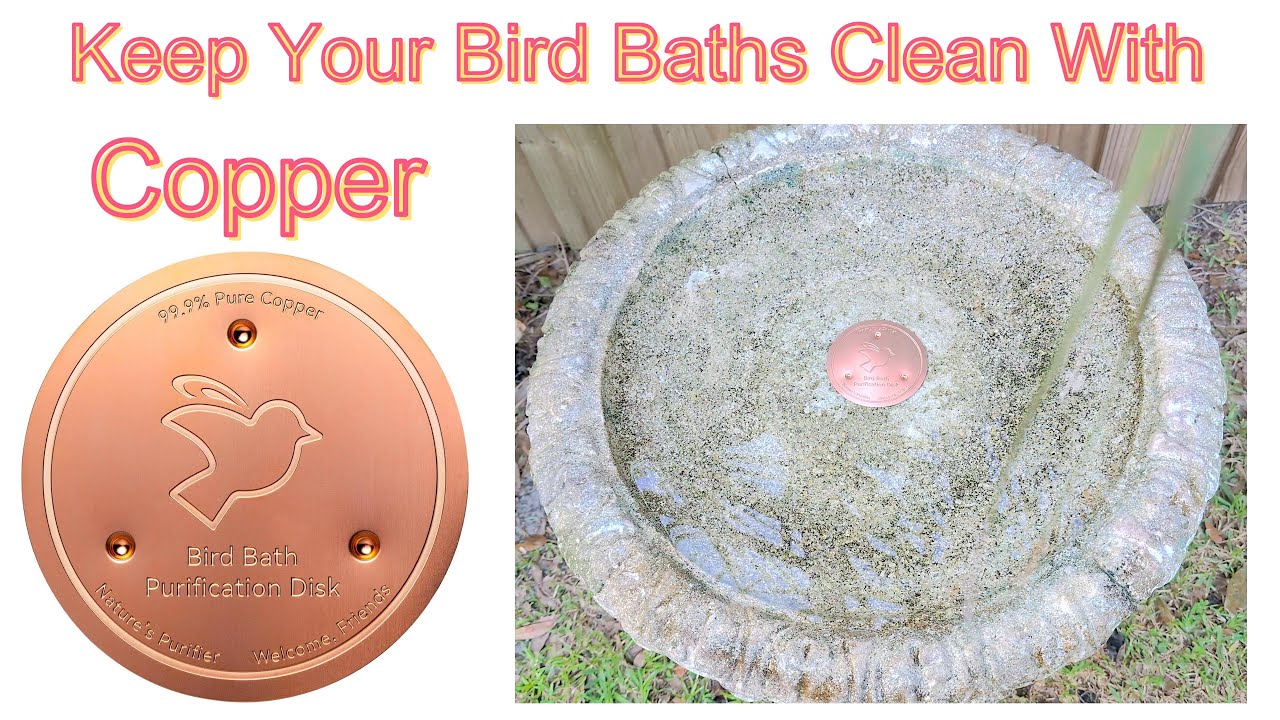
Birds need clean water to stay healthy, especially in winter when their immune systems can be stressed. Change the water daily or every other day to prevent bacteria and algae buildup.
If you notice debris like leaves or feathers, remove them promptly. Using a small brush to gently scrub the bath occasionally helps maintain cleanliness without harming the birds. You might wonder if adding any additives helps—stick to plain water, as chemicals can be harmful.
Credit: www.homehardware.ca
Frequently Asked Questions
How Can I Safely Heat A Bird Bath To 50°f?
Use a bird bath heater designed for outdoor use. These heaters prevent freezing and keep water at 50°F. Ensure the heater is waterproof and properly installed to avoid electrical hazards. Regularly check the temperature to maintain a safe environment for birds.
What Is The Best Heating Method For Bird Baths?
Heated water bowls or submersible heaters are best. They provide consistent warmth and prevent ice formation. Solar-powered heaters are eco-friendly options. Choose a method that suits your climate and bird species’ needs for optimal results.
Can I Use A Heated Bird Bath In Winter?
Yes, heated bird baths are ideal for winter. They prevent water from freezing and provide birds with accessible drinking water. Use a reliable heater with a thermostat to maintain 50°F. Ensure the device is weatherproof and safe for outdoor use.
How Do I Maintain A Heated Bird Bath?
Clean the bird bath regularly to prevent algae and bacteria buildup. Check the heater for damage or corrosion. Replace water frequently to keep it fresh. Monitor the temperature to ensure it stays around 50°F for bird safety.
Conclusion
Heating your bird bath to 50 degrees keeps birds safe and happy. Warm water helps birds stay healthy in cold weather. Use simple tools like heaters or insulated covers. Check the temperature often to avoid overheating. Clean the bath regularly to keep water fresh.
A warm bird bath attracts more feathered friends to your yard. Enjoy watching birds enjoy their warm water all winter long. Small effort, big benefits for your local wildlife. Keep it warm, keep it simple.