

Keeping your feathered friend healthy and happy is a top priority. One crucial aspect of their well-being is maintaining a clean environment, especially when it comes to their perches.
Bird perches are not just resting spots; they’re your bird’s playground, dining table, and even bathroom. Over time, they can accumulate bacteria, germs, and other harmful substances. If left unchecked, these can pose serious health risks to your pet. But don’t worry, disinfecting bird perches doesn’t have to be a daunting task.
In this guide, you’ll discover simple, effective methods to ensure your bird’s perches are clean and safe. Ready to learn how to protect your bird’s health with ease? Let’s dive in.
Credit: www.ojcommerce.com
Choosing Safe Cleaning Materials
Choosing the right cleaning materials for your bird perches is crucial to keep your feathered friends safe and healthy. Not all disinfectants are created equal, and some can harm your birds if used incorrectly. You need to be careful about what goes on those surfaces your birds spend so much time on.
Bird-friendly Disinfectants
Look for disinfectants specifically labeled as safe for birds or pets. These usually contain natural ingredients that kill germs without leaving toxic residues. Vinegar diluted with water is a popular and gentle option that many bird owners trust.
Hydrogen peroxide is another disinfectant that works well and breaks down quickly, leaving no harmful chemicals behind. If you prefer commercial products, check for those with thymol or essential oils known to be safe for avian use. Always rinse perches thoroughly with clean water after disinfecting to remove any leftover substances.
Avoiding Harmful Chemicals
Never use bleach, ammonia, or strong chemical disinfectants around birds. These substances can cause respiratory problems or skin irritation. Even small amounts of fumes can be dangerous for your pet birds.
Many household cleaners contain fragrances or additives that may seem harmless but pose risks to birds. Avoid anything with parabens, phenols, or alcohol. If you’re unsure, test a small area first and watch your bird’s reaction closely.
Think about the last time you used a harsh cleaner around your bird’s cage. Did you notice any coughing or unusual behavior afterward? Your bird’s health depends on your choice of cleaning materials, so err on the side of caution and pick the safest options available.
Preparing Perches For Cleaning
Preparing bird perches for cleaning is key to keeping your pet’s environment healthy. Dirty perches can carry germs and cause illness. Start by getting rid of all loose dirt and droppings. This makes the cleaning process easier and more effective.
Next, soaking and scrubbing the perches helps remove stubborn grime. Using the right tools and cleaning agents ensures a deep clean without harming the perch material. Proper preparation saves time and keeps your bird safe.
Removing Debris And Droppings
Begin by taking the perches out of the cage carefully. Use a small brush or cloth to wipe off loose dirt and droppings. For stuck-on waste, a plastic scraper or old toothbrush works well. Remove all visible debris before moving to washing.
- Wear gloves to protect your hands.
- Use a dry brush first to loosen debris.
- Dispose of waste in a trash bag immediately.
- Work over a newspaper or washable surface for easy cleanup.
Soaking And Scrubbing Techniques
Fill a container with warm water and mild dish soap. Soak the perches for at least 10 minutes to soften grime. After soaking, scrub the surface gently with a soft brush. Focus on cracks and grooves where dirt hides.
- Use a non-toxic soap safe for birds.
- Rinse thoroughly with clean water after scrubbing.
- Allow the perches to dry completely before returning to the cage.
- Repeat soaking and scrubbing for heavily soiled perches.
Disinfection Methods
Disinfecting bird perches is essential to keep your feathered friends healthy and happy. You want to remove harmful bacteria and fungi without exposing your birds to harsh chemicals. Choosing the right disinfection method can make a big difference in how safe and effective the cleaning process is.
Using Vinegar Solutions
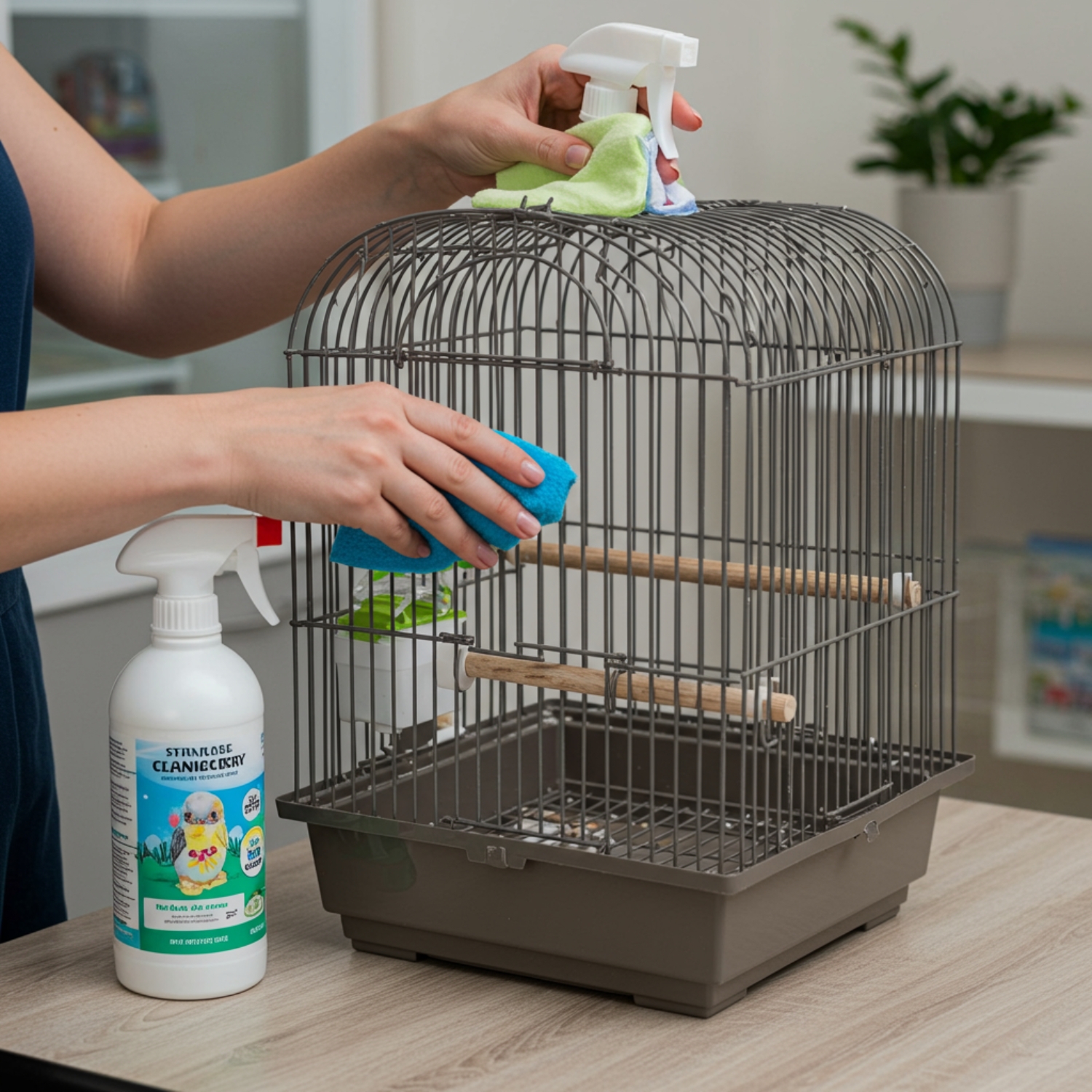
Vinegar is a natural disinfectant that you probably already have at home. Mix equal parts of white vinegar and water in a spray bottle to create a gentle but effective cleaning solution. Spray the perch thoroughly, let it sit for about 10 minutes, then rinse well with water.
This method is great because vinegar kills many types of bacteria and mold without leaving toxic residues. Have you ever noticed how vinegar cuts through grease and grime? It works similarly on bird perches, breaking down dirt and germs.
Applying Commercial Cleaners Safely
Commercial cleaners designed for pet areas can be powerful allies in disinfection. However, you must choose products labeled safe for birds to avoid harmful fumes or toxic ingredients. Always read the label carefully and follow the instructions exactly.
After applying the cleaner, rinse the perch thoroughly to remove any chemical traces. Think about how you’d feel if you touched something strong-smelling or harsh—your birds feel the same, so keep their environment as gentle as possible.
Drying And Airing Out Perches
Proper drying is as important as cleaning. After disinfecting, place perches in a well-ventilated area to air dry completely. Moisture left on the perch can encourage new bacterial growth, undoing your cleaning efforts.
If you’ve ever noticed that damp wood quickly develops a musty smell, you understand why drying matters. Make sure the perch is fully dry before putting it back in the cage to keep your bird’s habitat fresh and safe.

Credit: birdsupplies.com
Maintaining Perch Hygiene
Maintaining clean perches is key to keeping birds healthy. Dirty perches can hold germs and bacteria. These can cause diseases and infections. Regular care of perches helps prevent these risks. It also keeps your bird’s environment fresh and safe. Good perch hygiene means frequent cleaning and checking for damage. This prevents harm and ensures comfort for your bird.
Regular Cleaning Schedule
Set a routine to clean bird perches often. Daily spot cleaning removes droppings and debris. Use warm water and mild soap for washing. Rinse well to remove soap residue. Let perches dry completely before placing them back. Deep clean weekly with a safe disinfectant. Avoid harsh chemicals that can harm birds. Regular cleaning stops bacteria buildup and odors.
Monitoring For Wear And Damage
Check perches regularly for cracks or splinters. Damaged perches can hurt bird’s feet or cause infections. Replace worn-out or broken perches quickly. Look for signs of mold or discoloration too. Safe perches ensure your bird stays comfortable and healthy. Keep different perch types to prevent foot problems. Regular inspection helps catch issues early and protects your pet.

Credit: green-backyard.com
Frequently Asked Questions
How Often Should I Disinfect Bird Perches?
Disinfect bird perches weekly to prevent bacteria buildup. Regular cleaning keeps your bird healthy and reduces infections. Increase frequency if your bird is sick or perches look dirty.
What Is The Safest Disinfectant For Bird Perches?
Use a mild, bird-safe disinfectant like diluted white vinegar or a pet-safe cleaner. Avoid harsh chemicals like bleach, which can harm birds.
Can I Use Bleach To Clean Bird Perches?
Bleach can be used if properly diluted (1:10 ratio) and rinsed thoroughly. Ensure no residue remains, as bleach fumes or residue can harm birds.
How Do I Clean Wooden Bird Perches Effectively?
Scrub wooden perches with warm, soapy water, rinse well, then disinfect with vinegar solution. Avoid soaking wood to prevent damage and mold growth.
Conclusion
Cleaning bird perches keeps your pet healthy and happy. Regular disinfecting stops germs and bacteria from spreading. Use safe, bird-friendly cleaners for the best results. Rinse well and let perches dry before reuse. Simple steps make a big difference in bird care.
Keep your bird’s home fresh and safe every day. Healthy birds are happier pets. Small efforts protect them from illness. Take care of perches, and your bird will thank you.