

Are you looking to bring a touch of nature into your home or garden? Building a bird perch stand is a simple and rewarding project that can attract a variety of birds to your space.
Imagine the pleasure of watching colorful birds flutter and chirp right in your backyard. It’s easier than you might think, and you don’t need to be a DIY expert to create something beautiful and functional. Whether you want to enhance your garden’s appeal or simply enjoy birdwatching from your window, this guide will walk you through the steps to build your own bird perch stand.
Get ready to transform your space into a bird haven and discover the joy of having feathered friends visit your home regularly. Read on to learn how you can start this delightful project today.

Credit: www.reddit.com
Choosing The Right Materials
Choosing the right materials is crucial when building a bird perch stand. The materials you select affect durability, safety, and how comfortable your bird will be. It’s not just about picking something that looks good but ensuring it’s safe and practical for your feathered friend.
Types Of Wood
Wood is the most popular choice for bird perches because it feels natural and provides a good grip for birds’ feet. However, not all wood is safe. Avoid treated or painted wood since chemicals can harm your bird.
Hardwoods like maple, oak, and beech are excellent because they are sturdy and long-lasting. Softwoods such as pine are softer but can splinter, so they require extra care. I once tried using cedar, but the scent was too strong for my parrot, so I switched to untreated maple, which worked great.
Safe Finishes
Finishes protect the wood and prevent it from absorbing moisture, but many contain toxins. Always choose non-toxic, bird-safe finishes. Look for water-based polyurethane or natural oils like coconut or olive oil.
Never use varnishes or stains with harsh chemicals. Applying a safe finish is simple—apply a thin coat, let it dry completely, and sand lightly between coats. Your bird’s health depends on these choices, so don’t skip this step.
Essential Tools
Having the right tools makes building easier and safer. Basic tools include a saw, drill, screwdriver, and sandpaper. Sandpaper is especially important to smooth edges and prevent splinters.
You might also need clamps to hold pieces steady while assembling. If you don’t have these, you can improvise with heavy books or weights. What tools do you already have that could make this project simpler?

Credit: lilblusbirdboutique.com
Designing Your Perch Stand
Designing your bird perch stand is a key step to keep your feathered friend happy. The right design offers comfort and safety. It also fits well in your living space. Thoughtful planning makes the perch a favorite spot for your bird.
Size And Height Considerations
Choose a size that fits your bird’s species. Small birds need narrow perches. Larger birds need thicker and longer ones. The height should match your bird’s habits. Some birds like to perch high. Others prefer lower spots. Keep the perch reachable but not too low.
Stable Base Options
A stable base prevents wobbling and accidents. Use heavy materials like wood or metal for the base. A wide base gives better balance. You can use:
- Flat wooden boards
- Weighted metal plates
- Rubber pads under the base
Ensure the base is wide enough to support the perch’s height and weight.
Adding Multiple Perches
Multiple perches give birds more space to move and play. Arrange perches at different heights and angles. Keep enough space between them to avoid crowding. Use different textures to keep your bird’s feet healthy. This variety keeps birds active and curious.
Step-by-step Assembly
Building a bird perch stand requires careful assembly to ensure it is safe and sturdy. Follow clear steps for a smooth build. Each stage focuses on creating a strong and comfortable perch for your bird.
Cutting The Pieces
Start by measuring all wood pieces accurately. Cut the base, vertical post, and horizontal perch bars. Use a saw to make clean, straight cuts. Keep the pieces in proper sizes to fit well together.
Joining Components
Attach the vertical post to the base using screws or nails. Secure the horizontal perch bars to the top of the post. Use wood glue for extra strength. Check that all parts are tight and steady before moving on.
Sanding And Finishing Touches
Smooth all rough edges with sandpaper. Focus on areas your bird will touch. Apply a non-toxic finish or paint safe for birds. Let the stand dry completely before use. This step ensures safety and durability.
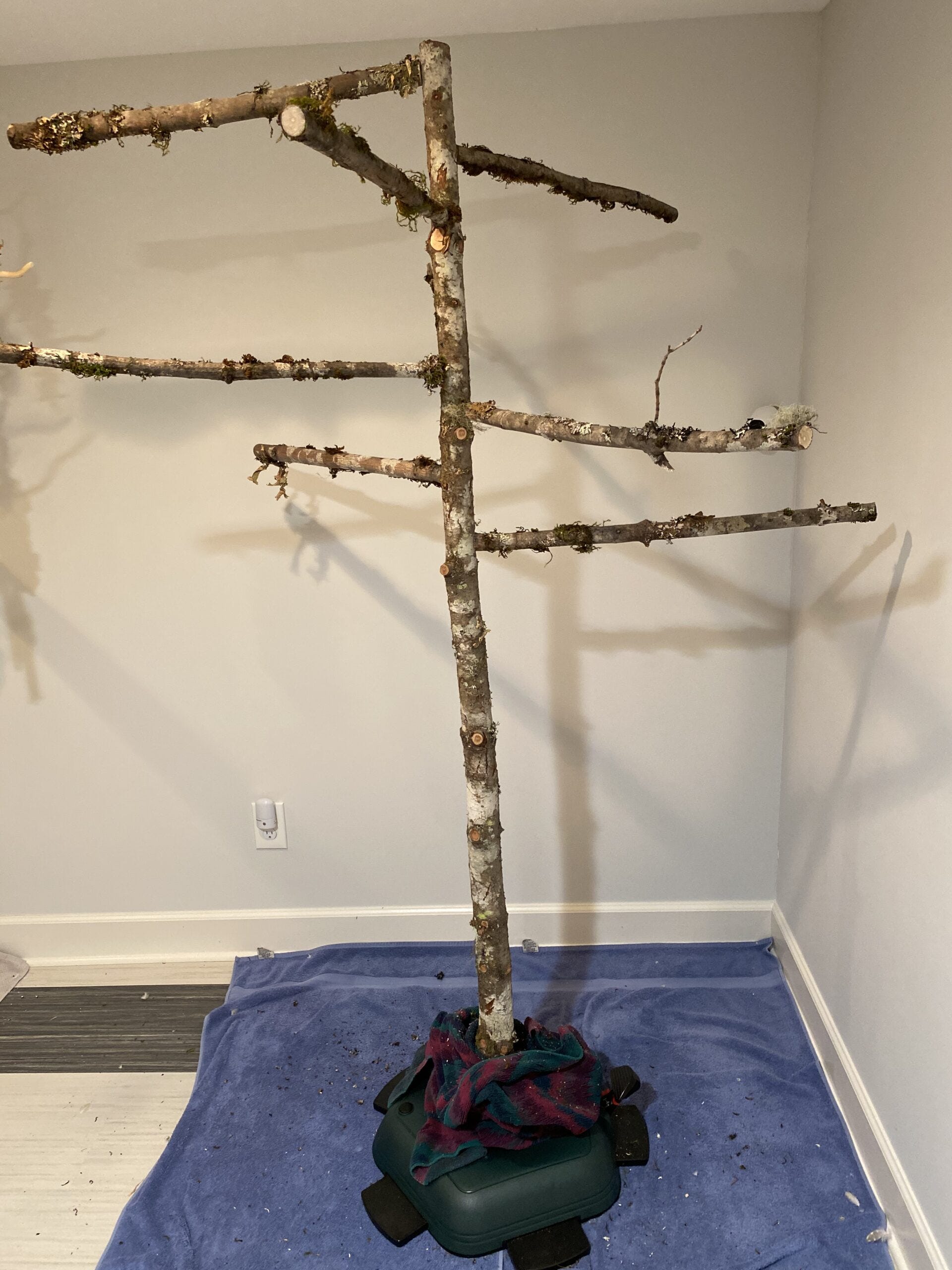
Credit: freerangeparrots.org
Maintaining And Customizing
Maintaining and customizing your bird perch stand keeps it safe and fun for your feathered friend. Cleanliness helps prevent diseases and keeps the perch looking fresh. Personalizing the stand with toys and accessories boosts your bird’s happiness and activity. Regular checks ensure everything stays sturdy and secure for daily use.
Cleaning Tips
Clean the perch stand at least once a week. Use warm water and mild soap to remove dirt and droppings. Avoid harsh chemicals that can harm birds. Rinse thoroughly to remove soap residue. Dry the stand completely to prevent mold and bacteria growth. Wipe down toys and accessories regularly as well.
Adding Toys And Accessories
Attach different toys to keep your bird entertained. Choose safe materials like wood, rope, and untreated leather. Rotate toys often to keep your bird curious. Add swings, bells, or ladders for more fun. Use food holders or treat dispensers to encourage natural foraging behaviors. Make sure all attachments are secure and easy to clean.
Regular Safety Checks
Inspect the perch stand weekly for loose parts or sharp edges. Tighten screws and bolts to keep it stable. Check wood for cracks or splinters that could hurt your bird. Replace damaged toys and accessories immediately. Ensure the stand remains balanced and does not wobble. A safe perch stand protects your bird from injury and stress.
Frequently Asked Questions
What Materials Are Needed To Build A Bird Perch Stand?
You need wood, screws, sandpaper, a drill, and non-toxic paint. These materials ensure safety and durability for your bird perch stand.
How Do I Ensure The Perch Is Safe For Birds?
Use smooth, untreated wood without sharp edges. Sand the surface well to avoid splinters and choose bird-safe finishes.
What Size Is Ideal For A Bird Perch Stand?
The perch diameter should match your bird’s foot size, usually 1 to 2 inches. Height depends on your available space.
How Do I Maintain A Bird Perch Stand?
Clean the stand regularly with mild soap and water. Avoid harsh chemicals to keep it safe and hygienic for your bird.
Conclusion
Building a bird perch stand can be simple and fun. Choose safe materials and measure carefully. Cut and assemble parts with patience. Make sure the perch is stable and smooth. Your bird will enjoy a comfortable resting place. This project helps you bond with your pet.
Try adding toys or treats for more fun. Keep the stand clean to keep birds healthy. Enjoy watching your feathered friend relax and play. Small efforts create a happy home for birds.