
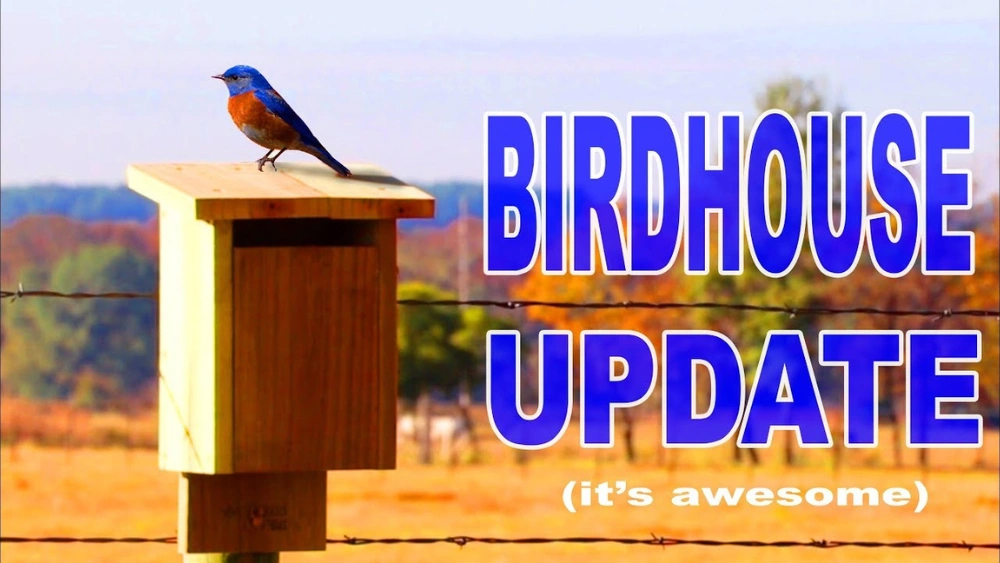
Are you ready to invite the vibrant charm of bluebirds to your backyard? Understanding how far apart to space bluebird houses is crucial for creating a welcoming environment for these delightful creatures.
Imagine waking up to the cheerful songs of bluebirds, knowing you played a vital role in their happiness. You might be wondering, why is spacing so important? Well, bluebirds are territorial, and the right distance can make all the difference between a thriving community and a neighborhood feud.
By the end of this article, you’ll know exactly how to position your bluebird houses to create a harmonious haven. Dive in to uncover the secrets of perfect spacing and turn your garden into a bluebird paradise.

Credit: www.amazon.com
Ideal Distance Between Bluebird Houses
Knowing the ideal distance between bluebird houses is key to encouraging healthy bluebird populations in your area. If houses are too close, bluebirds may compete aggressively, causing stress and discouraging nesting. Too far apart, and you might miss the chance to support more families of these beautiful birds.
Understanding Bluebird Territory Needs
Bluebirds are territorial and prefer some space between neighbors. Typically, they claim areas about 100 to 200 feet in diameter. This means placing houses roughly 100 to 200 feet apart respects their natural boundaries and reduces conflicts.
Think about your yard or garden—can you measure that distance between spots? Visualizing this space helps you plan better locations for each house.
Adjusting Distance Based On Habitat
Open fields and meadows usually require houses to be spaced farther apart, around 200 feet, since bluebirds have larger territories there. In suburban areas or where food is plentiful, 100 feet might work well.
Have you noticed bluebirds fighting or avoiding certain areas? That’s a hint you might need to spread the houses out more.
Spacing To Prevent Competition With Other Birds
Bluebird houses placed too close together can invite competition from starlings or house sparrows. Keeping proper distances helps bluebirds defend their nests successfully.
Adding predator guards and monitoring nest boxes regularly also supports your efforts in spacing correctly to protect bluebirds.
Credit: www.dutchcrafters.com
Factors Influencing Bluebird House Placement
Placing bluebird houses correctly boosts the chance of bluebirds nesting successfully. Many factors affect the best distance between houses. These include the bluebirds’ natural behavior and the environment around the houses.
Understanding these factors helps create a safe and welcoming space for bluebirds. It also reduces competition and stress among the birds. Below are key factors to consider when deciding how far apart to place bluebird houses.
Bluebird Territorial Behavior
Bluebirds are territorial during breeding season. Males defend their nesting area against others. This behavior influences how close houses should be. Too close, and fights may occur. Houses spaced properly respect their territory needs.
Habitat And Food Availability
Bluebirds need open areas for hunting insects. They prefer fields, meadows, and lawns near trees. The abundance of food affects house placement. Houses in rich habitats may be closer. Scarce food calls for wider spacing.
Predator Presence And Safety
Predators like cats, snakes, and raccoons threaten bluebirds. Placement should minimize access to predators. Distance between houses helps keep predators from moving easily. Using safe mounting locations also matters.
Environmental Factors
Sunlight, wind, and weather impact nesting success. Bluebird houses should face away from strong winds. Spacing allows air circulation and sunlight for warmth. Proper orientation and distance improve conditions inside houses.
Neighboring Bird Species
Other birds may compete for nesting spots. House spacing reduces conflicts with species like house sparrows. Wider gaps give bluebirds space to establish territories. Monitoring local bird populations guides placement decisions.
Spacing Tips For Different Bluebird Species
Spacing your bluebird houses correctly is key to attracting healthy bluebird populations and minimizing territorial conflicts. Different bluebird species have unique territorial needs and behaviors, so adjusting your setup can make a big difference. Let’s look at how to space bluebird houses to best suit each species.
Spacing Eastern Bluebird Houses
Eastern Bluebirds prefer open fields and meadows, and they are quite territorial during breeding season. To avoid fights, place houses at least 200 to 250 feet apart. This distance respects their need for space and reduces competition for nesting sites.
In my backyard, I once placed two houses closer than 100 feet apart, and I noticed constant squabbling between males. After moving one house further away, both pairs nested peacefully. Have you ever had to adjust your birdhouses after noticing aggressive behavior?
Spacing Western Bluebird Houses
Western Bluebirds are a bit more tolerant of neighbors but still value their space. Position houses about 150 to 200 feet apart. This spacing balances their social nature with their need for individual territories.
These birds often nest in clusters but avoid overcrowding. If your houses are too close, you might see one dominant pair taking over multiple boxes. Watch how your bluebirds interact to find the sweet spot for your area.
Spacing Mountain Bluebird Houses
Mountain Bluebirds typically inhabit more open, mountainous regions and require a bit more room. Experts recommend spacing their houses 300 feet or more apart. This wider gap helps accommodate their larger territories and hunting ranges.
When I set up Mountain Bluebird houses on a ranch, spacing them too close caused fewer nests to form. Giving them ample space led to more successful breeding pairs. What kind of landscape do you have? That will influence how far apart your houses should be.
Common Mistakes To Avoid When Spacing Houses
Spacing bluebird houses correctly is key for their success. Many people make common mistakes that can harm bluebird populations. Avoiding these errors helps create a safe and welcoming environment.
Proper spacing reduces fights between bluebirds. It also lowers stress and competition for food and shelter. Understanding common mistakes helps place houses at the right distance.
Placing Houses Too Close Together
Bluebirds need space to establish territories. Houses placed too near cause conflicts and nesting failures. Keep houses far enough apart to give birds room to thrive.
Ignoring The Natural Habitat
Not considering local trees and open spaces is a mistake. Bluebirds prefer open areas with scattered trees. Placing houses without thinking about habitat reduces occupancy chances.
Using Uniform Distances Everywhere
Every location is different. Using the same spacing in all areas does not work well. Adjust distances based on terrain and bird behavior for best results.
Overcrowding In Small Areas
Too many houses in one spot cause stress and lower nesting success. Spread houses over larger areas to avoid crowding and support more bluebirds.
Neglecting House Orientation
Facing houses in the wrong direction exposes them to weather and predators. Proper orientation helps protect birds and keeps nests safe.
Credit: nestwatch.org
Frequently Asked Questions
How Far Apart Should Bluebird Houses Be Placed?
Bluebird houses should be spaced 100 to 200 feet apart. This distance reduces territorial disputes and allows multiple pairs to nest comfortably.
Why Is Spacing Important For Bluebird Houses?
Proper spacing prevents competition among bluebirds. It ensures each pair has enough territory to thrive and raise their young successfully.
Can Bluebird Houses Be Closer Than 100 Feet?
Placing houses closer than 100 feet may cause conflicts. Bluebirds are territorial and need enough space to avoid aggressive behavior.
What Factors Affect Bluebird House Placement Distance?
Habitat quality, food availability, and landscape features influence spacing. Adjust distance based on local conditions to support healthy bluebird populations.
Conclusion
Spacing bluebird houses correctly helps birds stay safe and happy. Keep houses about 100 to 200 feet apart. This distance gives bluebirds enough room to find food and build nests. Proper spacing also lowers fights between birds. Remember to place houses in open areas with low trees or bushes.
Watch your bluebird houses often to see if birds move in. Small steps like these help bluebirds thrive in your yard. Giving them space means you support nature’s beauty nearby. Simple care makes a big difference for bluebirds’ success.