

Are you eager to transform your backyard into a vibrant paradise buzzing with the delightful chirps and flutters of birds? If you’ve ever found yourself gazing out the window, hoping to see a splash of color or hear a sweet melody, then you’ve come to the right place.
Attracting birds to your bird feeder is not only rewarding but also easier than you might think. Imagine sipping your morning coffee while watching a lively scene unfold right outside your door. Intrigued? We’ll uncover simple, yet effective strategies to draw a variety of birds to your feeder, turning your outdoor space into a haven of avian activity.
Let’s dive into the secrets that will bring your garden to life!

Credit: avibirds.com
Choosing The Right Feeder
Choosing the right feeder is crucial to attract a variety of birds to your yard. The feeder you pick affects which birds visit and how often. It’s worth investing time in finding a feeder that suits your local birds and your environment.
Types Of Bird Feeders
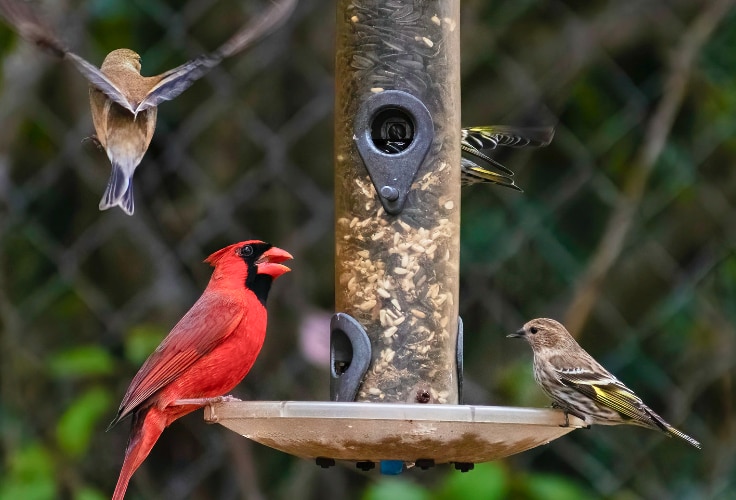
There are several types of bird feeders, each designed to attract different bird species. Tube feeders work well for small songbirds like finches and chickadees. Platform feeders offer an open space that attracts larger birds such as cardinals and doves.
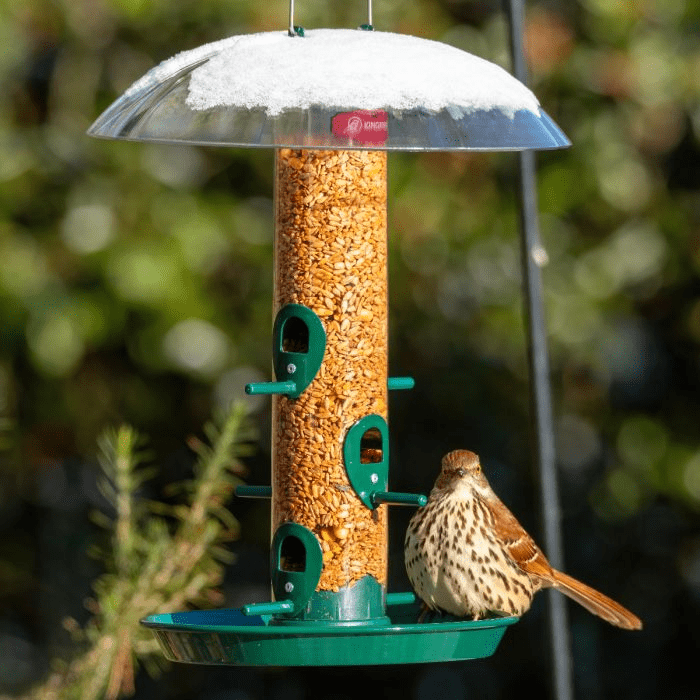
Hopper feeders combine features of tube and platform feeders, providing shelter for the seed and room for many birds to feed at once. Suet feeders appeal to insect-eating birds like woodpeckers and nuthatches, especially in colder months.
Have you noticed which feeder types the birds in your area prefer? Trying different styles can help you discover the best fit.
Materials And Durability
The material of your feeder impacts its lifespan and how well it holds up to weather. Plastic feeders are lightweight and often cheaper, but they may crack in extreme temperatures or become brittle over time.
Metal feeders offer more durability and resist squirrels better, but they can get hot in direct sunlight, which might affect the seed. Wooden feeders provide a natural look and good durability but require occasional maintenance to prevent rot.
Choosing a feeder with easy-to-clean parts helps keep birds healthy by preventing mold and bacteria buildup. What material do you think will last best in your yard’s conditions?
Placement Tips
Where you place your feeder can be just as important as the feeder itself. Position it near trees or shrubs to give birds quick cover from predators. However, avoid placing feeders too close to windows to prevent collisions.
Keep your feeder at least 5 feet off the ground to discourage cats and other predators. Also, consider the sun’s path — placing feeders where they get morning sun and afternoon shade can keep seeds fresh longer.
Have you tried moving your feeder to different spots? Small changes in placement often result in more bird visits.
Credit: avibirds.com
Selecting Bird-friendly Food
Selecting the right food is key to attracting birds to your feeder. Birds have different tastes and nutritional needs. Offering bird-friendly food helps keep them healthy and coming back. Choose seeds and mixes based on the birds common in your area. Consider seasonal changes too. Some foods suit cold months better, others attract birds during breeding seasons. Avoid harmful ingredients that can make birds sick. Safe, fresh food supports a lively bird feeder experience.
Popular Seeds And Mixes
Sunflower seeds top the list. Black oil sunflower seeds attract many bird types. They are rich in fat and easy to crack open. Millet is another favorite, especially for small birds like sparrows and finches. Nyjer seed draws finches with its tiny size. Mixed seed blends offer variety and attract a wide range of birds. Look for mixes without fillers like red millet or oats. These fillers often go uneaten and waste food.
Seasonal Food Choices
In winter, high-fat foods help birds stay warm. Peanuts, suet, and sunflower seeds are good options. Summer calls for foods with more protein and moisture. Fresh fruit, mealworms, and nectar attract birds during breeding season. Avoid foods that spoil quickly in heat. Change offerings with the seasons to match birds’ needs. This keeps your feeder lively all year round.
Avoiding Harmful Ingredients
Avoid salt and sugar in bird food. These can harm birds’ health. Stay clear of moldy or old seeds. Mold produces toxins that can kill birds. Avoid bread and processed human food. These lack nutrients and cause digestive issues. Use fresh, clean food only. Wash feeders regularly to prevent disease spread. Safe food keeps birds happy and healthy at your feeder.
Creating A Welcoming Environment
Creating a welcoming environment around your bird feeder is key to attracting a variety of feathered visitors. Birds look for more than just food; they seek safety, comfort, and convenience. By setting up a space that meets these needs, you invite birds to stay longer and visit more often.
Safe Shelter And Water Sources
Birds need places to hide from predators and bad weather. Adding dense shrubs or small trees near your feeder gives them safe shelter. You might notice more birds visiting if they feel protected.
Water is just as important as food. Providing a clean birdbath with fresh water encourages birds to linger. Moving water, like a small fountain, can be even more attractive because it signals safety and freshness.
Planting Native Vegetation
Native plants support local bird species by offering natural food sources and nesting spots. Consider planting berry bushes or seed-producing flowers around your feeder. This not only draws birds but also helps maintain the local ecosystem.
You’ll likely see more variety when your garden mimics natural habitats. Have you thought about what plants grow naturally in your area? Adding these can make your feeder a natural hotspot.
Minimizing Predators
Predators like cats and hawks can scare birds away quickly. Keep your feeder away from places where predators can hide or easily pounce. Elevated feeders or those surrounded by thorny plants can deter unwanted guests.
Regularly check the area for nests of predatory birds and avoid placing feeders too close. How often do you scan your garden for potential threats to your visiting birds? Staying alert can make a big difference.
Maintaining Your Feeder
Maintaining your bird feeder is key to keeping birds happy and healthy. A clean and well-managed feeder invites birds back day after day. It also prevents disease and keeps the seed fresh. Small efforts in maintenance create a big difference in bird visits.
Regular Cleaning Routines
Clean your feeder every two weeks or more often in wet weather. Use warm water and mild soap to remove dirt and mold. Rinse thoroughly to remove all soap traces. Dry the feeder completely before refilling. This stops harmful bacteria and fungus from growing.
Monitoring Bird Activity
Watch which birds visit and how often. Note if some seeds are ignored or if squirrels disturb the feeder. Adjust the seed type or feeder location based on bird preferences. Keep a journal or take photos to track changes. This helps make your feeder more attractive to birds.
Adjusting Strategies Seasonally
Change seed types as seasons shift. Use high-energy seeds like sunflower in winter. Offer fruits and nectar in spring and summer. Move feeders to sunny spots in cold months. Shade feeders in hot weather to keep seeds fresh. These changes keep birds visiting all year long.
Credit: www.kingsyard.com
Frequently Asked Questions
How Do You Choose The Best Bird Feeder?
Choose a feeder based on bird species and seed type. Tube feeders suit small birds, while platform feeders attract larger birds. Ensure durability and easy cleaning for long-term use and bird safety.
What Seeds Attract The Most Birds To Feeders?
Black oil sunflower seeds attract many bird species due to high oil content. Nyjer seed is ideal for finches. Mixed seeds can attract a variety but may encourage unwanted pests.
How Can I Keep My Bird Feeder Clean?
Clean feeders every two weeks with warm soapy water. Rinse thoroughly and dry before refilling. Regular cleaning prevents disease spread and keeps birds healthy and safe.
Where Is The Best Place To Hang A Bird Feeder?
Place feeders near trees or shrubs for cover and perching. Ensure visibility for birds and safety from predators. Avoid placing feeders too close to windows to prevent collisions.
Conclusion
Attracting birds to your feeder brings joy and nature closer. Choose the right seeds and keep feeders clean. Place feeders in safe, quiet spots for best results. Watch patiently as birds explore their new food source. Enjoy the variety of colors and sounds they bring.
Small efforts lead to a lively, bird-filled garden. Your patience and care create a welcoming space for birds. Happy birdwatching awaits right outside your window.