

Have you ever wondered how birds thrive in diverse environments, from the icy tundra to bustling urban landscapes? Birds are fascinating creatures with remarkable adaptations that allow them to survive and flourish in their specific habitats.
These adaptations aren’t just random; they are perfectly designed to help birds find food, avoid predators, and raise their young. By understanding these unique traits, you can gain a deeper appreciation for the avian world around you. Dive into this article to uncover the incredible ways birds have evolved to fit seamlessly into their environments, and discover how these adaptations might even inspire solutions in your own life.
Stick around, and let’s explore the secrets of nature’s most versatile flyers together!
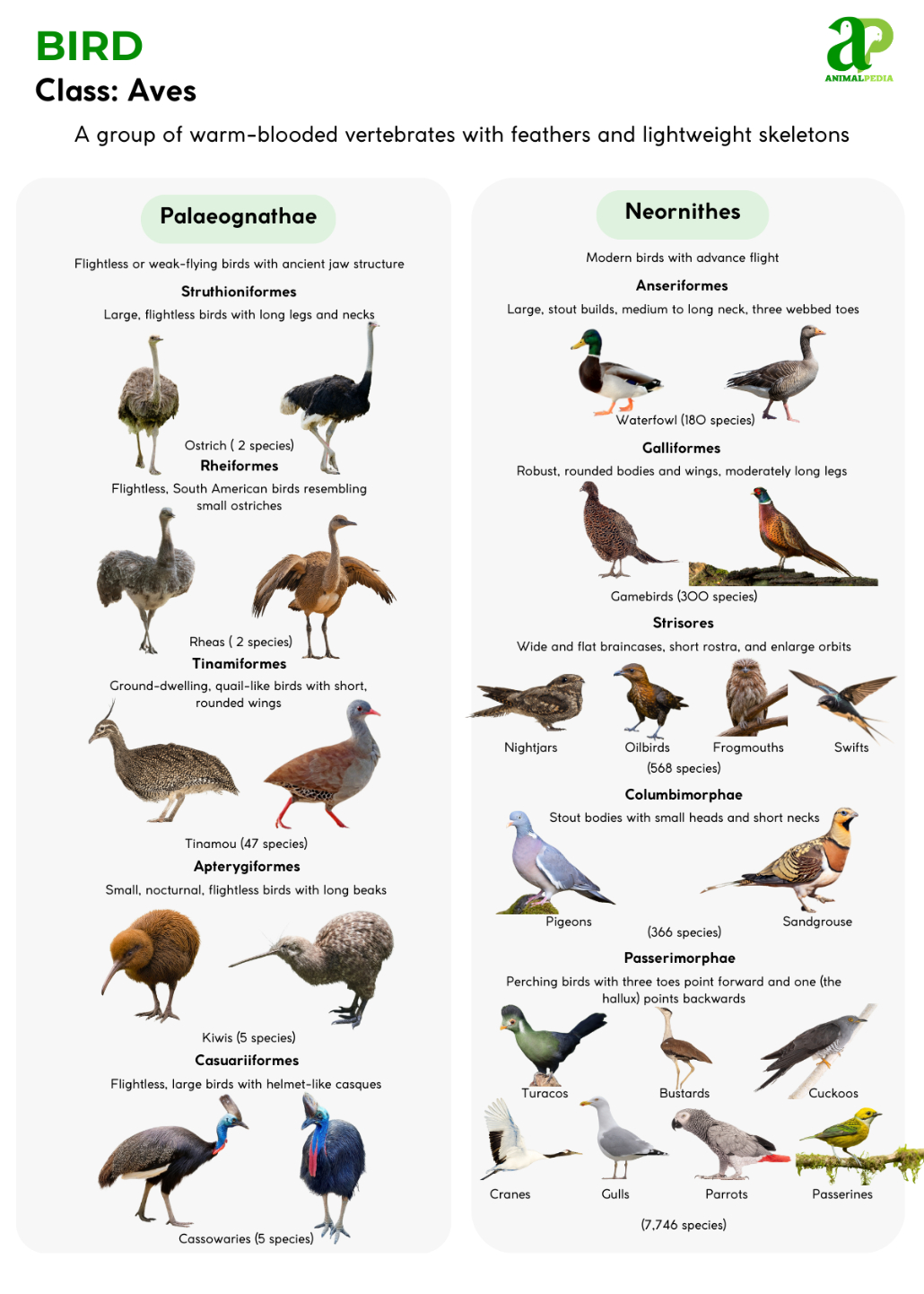
Credit: animal-pedia.org
Physical Features Shaped By Habitat
Birds develop physical traits that fit their environments perfectly. These features help them survive and thrive. Each habitat offers different challenges and food sources. Birds adapt their bodies to meet these needs. Their beaks, feathers, and body shapes show clear signs of adaptation to their surroundings.
Beak Variations For Food Sources
Bird beaks come in many shapes and sizes. Each type suits a specific diet. For example, sharp, hooked beaks help birds tear meat. Long, thin beaks allow access to nectar in flowers. Strong, thick beaks crack hard seeds easily. Beak design matches the food available in the bird’s habitat.
Feather Types And Functions
Feathers serve many purposes beyond flight. Some birds have waterproof feathers to stay dry. Others have soft, insulating feathers to keep warm. Bright feathers may attract mates or warn predators. Camouflaged feathers help birds blend into their homes. Feather type reflects the climate and lifestyle of each bird.
Body Size And Shape Adaptations
Birds show different body sizes and shapes based on their habitats. Small bodies help birds live in dense forests. Large bodies are common in open, cold areas to retain heat. Slim, streamlined shapes aid fast flying in open skies. Rounded bodies help conserve energy in harsh environments.
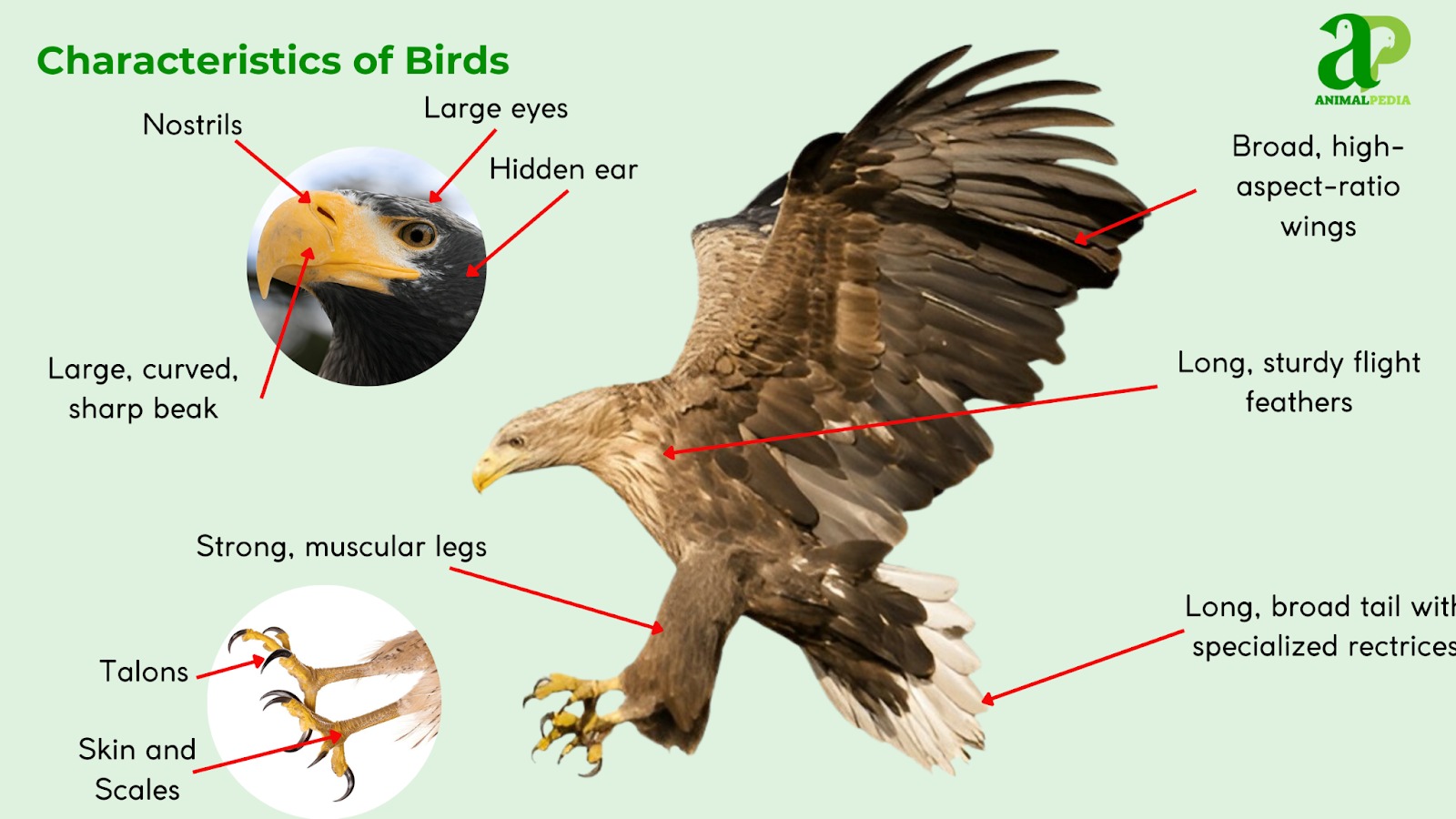
Credit: animal-pedia.org
Behavioral Strategies For Survival
Birds survive in a variety of habitats thanks to their clever behavioral strategies. These strategies help them find food, avoid predators, and reproduce successfully. Understanding these behaviors can give you a deeper appreciation of their daily challenges and triumphs.
Migration Patterns And Routes
Many birds travel thousands of miles to find better living conditions. They follow specific routes year after year, often using landmarks, the sun, and Earth’s magnetic field to guide them.
Have you ever wondered how birds know when to start their journey? Their internal clocks and environmental cues like temperature and daylight trigger migration. Watching migratory birds can inspire you to think about the importance of timing and navigation in your own life.
Nesting And Breeding Habits
Birds pick nesting sites based on safety, climate, and food availability. Some build nests in trees, while others use cliffs or even the ground.
Different species show unique breeding behaviors. For example, some birds lay many eggs to increase survival chances, while others invest more care in fewer offspring. This makes you consider how much effort you put into your own important projects.
Foraging Techniques
Birds use various methods to find food, from probing mud to catching insects mid-air. Their beaks and behaviors adapt to the type of food available in their habitat.
- Woodpeckers drill into trees to find insects.
- Hummingbirds hover to sip nectar.
- Seagulls scavenge near water and land.
Have you noticed how some birds change their feeding habits with the seasons? This flexibility helps them survive when food is scarce, reminding you to stay adaptable in your own challenges.
Sensory Adaptations In Birds
Birds rely heavily on their senses to survive and thrive in various habitats. Their sensory adaptations help them find food, avoid predators, and communicate. These adaptations also aid in migration and navigation across long distances. Each sense is finely tuned to match their environment and lifestyle.
Vision And Color Perception
Birds have excellent vision, much sharper than humans. Their eyes contain more color receptors, allowing them to see ultraviolet light. This helps in spotting food and mates. Birds like hawks can detect tiny movements from far away. Many birds also have a wide field of view to watch for predators.
Hearing And Communication
Birds use their hearing to detect sounds and communicate with each other. Their ears are well-adapted to pick up a wide range of frequencies. Some species can hear very high or low sounds that humans cannot. Songs and calls play a key role in marking territory and attracting mates.
Navigation Skills
Many birds travel thousands of miles during migration. They use the Earth’s magnetic field as a natural compass. Some rely on the position of the sun and stars to find their way. Others use landmarks and smells to navigate. These skills help birds return to the same nesting sites each year.
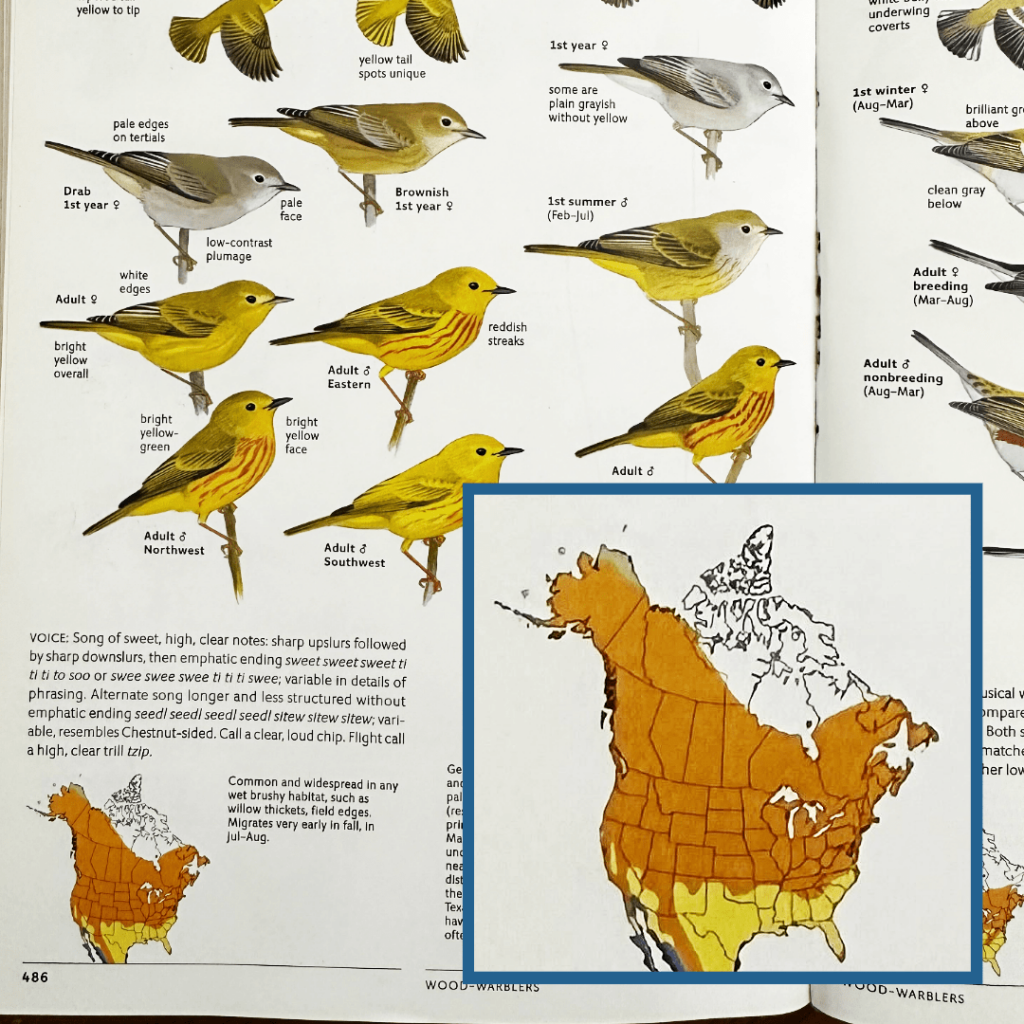
Credit: learn.birdscanada.org
Environmental Challenges And Responses
Birds face many environmental challenges in their habitats. These challenges shape their behavior, body, and survival skills. Birds adapt in different ways to handle changes in weather, avoid predators, and compete for space and food. Understanding these responses helps explain how birds thrive in diverse environments.
Dealing With Climate Variations
Birds adjust to temperature and weather changes to survive. Some grow thicker feathers in cold seasons to keep warm. Others shed feathers or find shade to cool down in hot climates. Migration is a key response. Birds travel to warmer places during winter and return when it is safe. They also change their activity times, flying or feeding during cooler parts of the day.
Predator Avoidance Tactics
Birds use many ways to stay safe from predators. Camouflage helps them blend into their surroundings. They choose colors and patterns that match trees or ground. Some birds freeze or stay very still to avoid detection. Loud calls and alarm signals warn other birds about danger. Many birds build nests in hidden or hard-to-reach places. Quick flight and sharp eyesight help them spot and escape threats early.
Competition And Territory Defense
Birds compete for food, mates, and nesting sites. They defend their territory to keep these resources. Singing loudly marks their area and warns rivals. Some birds show bright colors or perform displays to scare off competitors. Fighting can happen, but usually, birds try to avoid injury. They also form groups or flocks to share resources and protect each other. Territory size depends on food availability and population density.
Frequently Asked Questions
How Do Birds’ Beaks Adapt To Their Habitat?
Birds’ beaks evolve to suit their feeding habits. For example, finches have strong beaks for seeds. Hummingbirds have long, slender beaks for nectar. This adaptation helps birds efficiently gather food in their environment.
Why Do Some Birds Have Webbed Feet?
Webbed feet help birds swim and navigate water habitats. Ducks and pelicans use webbed feet for propulsion. This adaptation is crucial for birds living near lakes, rivers, or oceans. It improves their mobility and food access.
How Do Bird Feathers Adapt To Different Climates?
Feathers provide insulation, waterproofing, and camouflage. Birds in cold climates have dense, downy feathers for warmth. Tropical birds may have bright feathers for mating displays. Feather adaptations help birds survive and thrive in diverse habitats.
What Role Do Bird Wings Play In Habitat Adaptation?
Wing shape affects flight style and habitat use. Soaring birds have broad wings for gliding. Forest birds have short, rounded wings for maneuvering. Wing adaptations enable birds to exploit specific environments effectively.
Conclusion
Birds fit well into their homes. Their bodies and habits match the places they live. Sharp beaks, strong wings, and clever feet help them survive. Each bird adapts to find food and stay safe. These changes happen over time through nature.
Watching birds shows us how life changes with the land. Birds remind us that living things grow with their world. Their adaptations help keep nature alive and well.