

Imagine sitting in your garden, the sun casting a warm glow all around, and hearing the cheerful chirping of birds. You might wonder if birds enjoy suet during these sunny months or if it’s just a winter treat.
The answer might surprise you. Offering suet in summer can attract a variety of beautiful feathered friends to your backyard, adding life and color to your outdoor space. Curious about why and how this works? Keep reading to uncover the fascinating reasons birds might still flock to suet when the days are long and warm.
You won’t want to miss these insights that can transform your bird-watching experience into something truly magical.
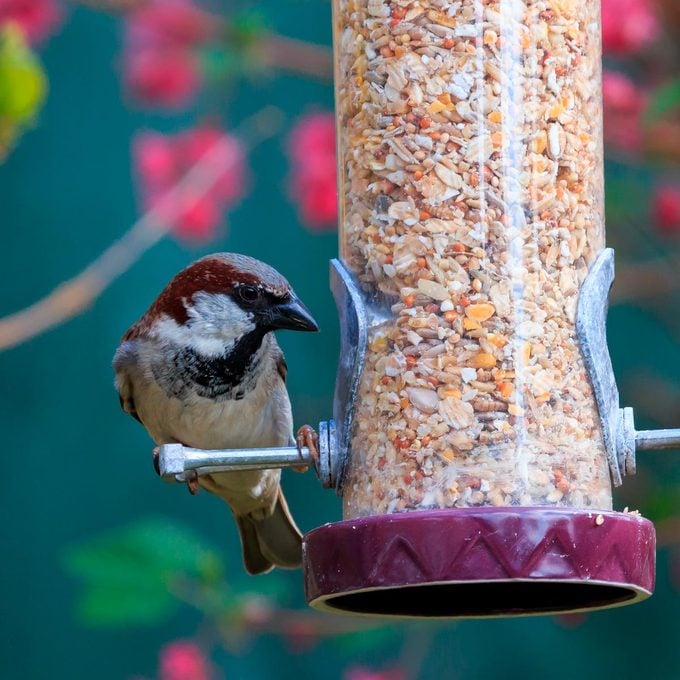
Credit: www.familyhandyman.com
Birds And Suet Basics
Understanding the relationship between birds and suet helps you attract a variety of feathered friends to your backyard all year round. Suet is a high-energy food source that birds often rely on, especially in colder months. But how do birds interact with suet during the summer? Let’s start by breaking down the basics.
What Is Suet
Suet is the hard fat found around the kidneys and loins of animals, usually beef or mutton. It is commonly used as bird feed because it provides a dense source of energy. You’ll often see it mixed with seeds, nuts, or dried fruits to make it more appealing and nutritious for birds.
Because suet is high in fat, it helps birds maintain their energy levels, especially during cold weather. But did you know that suet can also be beneficial in the summer? It can supply essential calories for birds during breeding season or when insects are scarce.
Common Birds That Eat Suet
Several bird species are drawn to suet feeders. Woodpeckers, nuthatches, chickadees, and titmice are among the most frequent visitors. These birds have strong bills designed to peck and cling to suet cakes, making it an ideal food source.
Other birds like wrens, bluebirds, and even some types of sparrows may also enjoy suet, especially if it’s mixed with seeds or fruit. Observing which birds come to your feeder can give you clues about the best suet mix to offer.
Have you noticed certain birds favoring suet in your yard? Paying attention to their preferences can help you provide the right food and make your garden a welcoming habitat year-round.

Credit: www.wildlifenomads.com
Summer Feeding Habits
Summer brings a noticeable shift in bird feeding habits. As the environment changes, so do the birds’ preferences and needs. Understanding these shifts can help you decide whether suet remains a good choice for your backyard visitors during warmer months.
Changes In Bird Diets
During summer, many birds switch from high-fat foods like suet to more protein-rich options such as insects and larvae. This change supports their increased energy needs for breeding and raising chicks.
However, some species, like woodpeckers and nuthatches, continue to enjoy suet year-round. Offering suet mixed with seeds or fruit can attract a wider variety of birds during summer.
Have you noticed certain birds ignoring your suet feeders come summer? Adjusting the type of suet or adding fresh fruit nearby might keep those favorites coming back.
How Weather Affects Feeding
Hot weather can cause suet to melt quickly, which may discourage birds from feeding at your station. To combat this, try placing suet feeders in shaded areas or using suet cakes designed for summer.
Rain and humidity also affect suet’s texture and appeal. A softer, wetter suet can attract fewer birds and spoil faster, so regular replacement is key.
Have you tried different feeder placements or suet formulations to see what your local birds prefer during summer? Experimenting can reveal surprising results and boost your birdwatching success.
Suet Safety In Warm Weather
Suet is a favorite food for many birds, especially in cold months. But using suet in warm weather needs care. The heat can affect the suet’s safety and quality. Watching how suet behaves in summer helps keep birds safe and happy.
Risks Of Suet Melting
Suet melts easily in warm weather. Melted suet can drip and create a mess. It may attract unwanted insects like ants and bees. Melted suet can also spoil quickly. Spoiled suet grows mold and bacteria. These can harm birds that eat it. Hot weather makes suet soft and oily. Birds might find it hard to eat. Suet feeders may become slippery or sticky. This can scare birds away from feeding.
Alternatives To Traditional Suet
Choose suet designed for summer use. These have additives to keep them firm in heat. Try using suet cakes with more seeds and less fat. Offer fresh fruits or nuts as bird food. Peanut butter spread on pinecones can work well. Use feeders that protect suet from sun and rain. Shade the feeding area to keep suet cooler. These options help birds eat safely in summer.
Tips For Summer Bird Feeding
Feeding birds during the summer requires some adjustments to keep your feathered friends happy and healthy. Birds’ eating habits can shift with the warmer weather, so your approach to suet feeding should adapt accordingly. Let’s look at practical tips that can help you offer suet safely and effectively throughout the summer months.
Best Suet Types For Summer
Suet made with high-quality fats remains a favorite for many birds, but in summer, it’s important to choose varieties that won’t melt quickly. Look for suet blocks blended with seeds, nuts, or dried fruits—they provide energy and stay more solid under heat.
Some manufacturers offer suet cakes specifically designed for warm weather, often containing added fibers or waxes to slow melting. You might also try making your own suet using less animal fat and adding ingredients like peanut butter or oats. Have you noticed which suet your local birds prefer during hot days? Trying different types can reveal surprising favorites.
Maintaining Clean Feeders
Warm weather speeds up spoilage and can attract unwanted pests to your feeding area. Clean your suet feeders regularly—at least once a week—to prevent mold and bacteria buildup that could harm birds.
Use hot water and a mild detergent to scrub feeders, and rinse thoroughly before refilling. Position feeders in shady spots to keep suet from melting too fast and to provide birds with a cooler feeding environment.
Have you checked your feeders recently? Keeping them clean not only protects birds but also ensures your feeding station stays inviting throughout summer.

Credit: www.willyswilderness.org
Frequently Asked Questions
Do Birds Eat Suet In The Summer?
Yes, many birds eat suet in summer. It provides high energy during breeding and molting seasons. However, suet can spoil quickly in heat, so fresh or specially formulated summer suet is recommended.
What Types Of Birds Eat Summer Suet?
Woodpeckers, nuthatches, chickadees, and wrens commonly eat suet year-round. These insect-eating birds benefit from suet’s fat content, especially in summer when insects may be less abundant.
Is Suet Safe For Birds In Hot Weather?
Regular suet can melt or spoil in heat, attracting harmful bacteria. Use suet cakes designed for warm weather to keep birds safe and healthy.
How To Keep Suet Fresh During Summer Months?
Store suet in a cool, shaded area. Replace suet frequently, ideally every two days, to prevent spoilage and keep birds coming back to your feeder.
Conclusion
Birds do eat suet in the summer, but less often than in winter. They prefer natural foods like insects and berries when available. Suet still provides extra energy, especially during hot, dry days. Keep suet fresh and offer it in shaded areas to prevent melting.
Watching birds enjoy suet can be rewarding any time of year. Try offering it occasionally and see which birds visit your feeder. Simple care helps birds stay healthy through all seasons. Suet remains a helpful food source, even in summer months.