
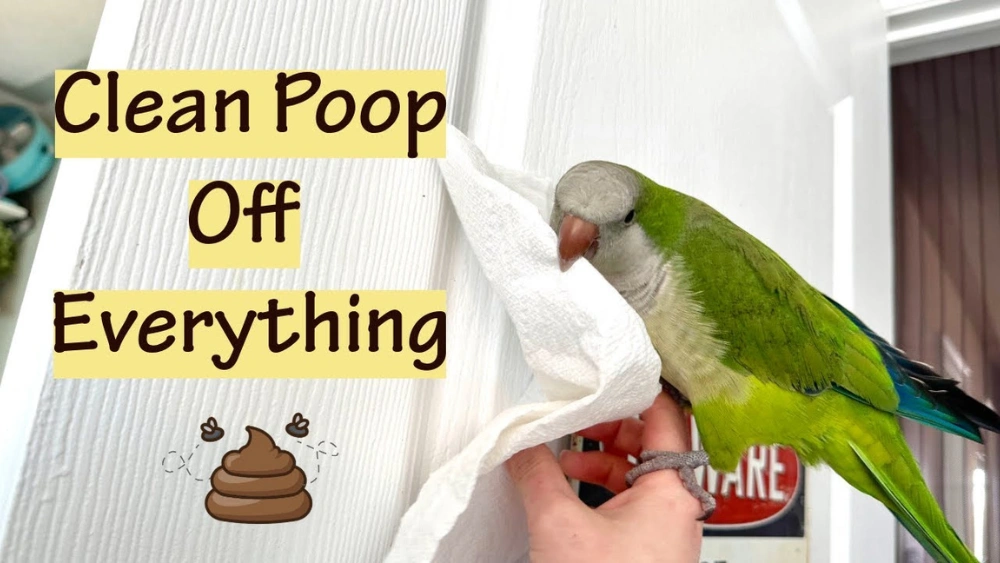
Have you ever wondered if cleaning bird poop could actually make you sick? You’re not alone.
Many people are unsure about the health risks associated with cleaning up after our feathered friends. While bird droppings are a common sight, the potential dangers they pose are often overlooked. We’ll uncover the truth about bird poop and its possible effects on your health.
You might be surprised at what you discover, and it could change the way you approach cleaning up those unsightly messes. So, if you want to ensure your safety and learn how to handle bird droppings without worry, keep reading. Your health might just depend on it.
Health Risks Of Bird Droppings
Bird droppings can carry harmful germs that pose health risks. The waste contains bacteria, fungi, and parasites. Direct contact or breathing dust from dried droppings can lead to illness. Knowing these risks helps protect your health while cleaning.
Common Diseases Linked To Bird Poop
- Histoplasmosis:A fungal infection from inhaling spores in dried droppings.
- Cryptococcosis:Caused by a fungus found in pigeon droppings affecting lungs and brain.
- Psittacosis:A bacterial infection from inhaling dust contaminated with bird feces.
- Salmonellosis:Bacterial illness from contact with fresh bird droppings.
How Infections Occur
Infections happen mainly through inhaling airborne particles. Dried bird poop breaks into tiny dust particles. These particles carry harmful microbes that enter the lungs. Touching droppings and then touching your face can spread germs. Poor cleaning habits increase the risk of getting sick.
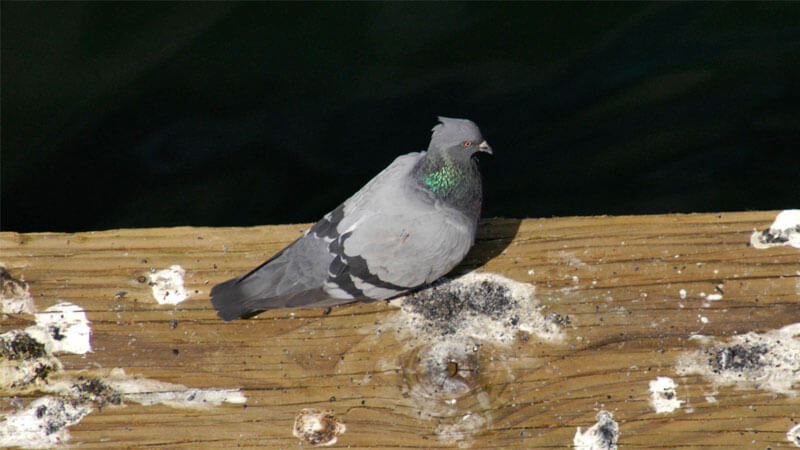
Credit: www.canr.msu.edu
Dangerous Pathogens In Bird Poop
Bird poop may look harmless, but it can carry dangerous pathogens that pose health risks. When you clean it without proper precautions, these germs can enter your body through cuts, your eyes, or even your lungs. Understanding the types of bacteria, viruses, and fungi in bird droppings helps you protect yourself better.
Bacteria And Viruses To Watch Out For
Bird droppings can harbor bacteria like Salmonellaand E. coli, which cause serious stomach infections. These bacteria can spread through direct contact or contaminated surfaces, leading to symptoms like diarrhea and fever.
Viruses such as the West Nile virusare also linked to birds, though they usually spread through mosquito bites after mosquitoes feed on infected birds. Still, handling droppings without gloves or masks increases your risk.
Have you ever wondered how easily bacteria can transfer from a bird dropping on your porch to your hands? This is why washing your hands immediately after cleaning is crucial.
Fungal Infections From Droppings
Bird droppings are a prime breeding ground for fungi like Histoplasma capsulatum, which causes histoplasmosis. This lung infection occurs when you inhale fungal spores released from dried droppings.
Another fungus, Cryptococcus neoformans, can lead to cryptococcosis, particularly dangerous for people with weakened immune systems. Even brief exposure to dust containing these spores can trigger serious illness.
Think about the last time you swept up dried bird poop without a mask. That dust could have exposed you to harmful fungal spores. Wearing protective gear while cleaning is not just a suggestion—it’s a necessity to keep your lungs safe.
Safe Cleaning Practices
Cleaning bird poop requires careful actions to avoid health risks. The droppings can carry harmful germs and parasites. Following safe cleaning practices lowers chances of infection and keeps you safe.
Using the right tools and methods protects your skin and lungs. Proper disposal stops germs from spreading to others or the environment. Simple steps ensure the area is clean and safe again.
Protective Gear Essentials
- Wear disposable gloves to avoid direct contact with droppings.
- Use a mask to prevent breathing in dust or particles.
- Wear long sleeves and pants to protect your skin.
- Use eye protection to avoid splashes to the eyes.
Proper Disposal Methods
- Place droppings and cleaning materials in a sealed plastic bag.
- Dispose of the bag in an outdoor trash bin promptly.
- Do not sweep or dry scrape to avoid spreading dust.
- Clean tools with disinfectant after use to remove germs.

Credit: www.reddit.com
When To Seek Medical Help
Handling bird poop can expose you to harmful germs and diseases. Most people do not get sick from brief contact. Yet, some infections can develop after exposure. Recognizing signs of illness is important. Knowing when to seek medical help can protect your health. This section explains the symptoms to watch for and ways to prevent serious issues.
Symptoms After Exposure
Bird droppings may carry bacteria, fungi, and parasites. Symptoms can appear days or weeks later. Watch for these warning signs:
- Fever and chills
- Cough, sometimes with mucus or blood
- Shortness of breath or chest pain
- Headache and muscle aches
- Fatigue and weakness
- Nausea, vomiting, or diarrhea
- Skin rash or irritation
These symptoms might indicate infections like histoplasmosis or psittacosis. Seek medical care if symptoms worsen or do not improve within a few days.
Preventive Measures And Vaccinations
Prevent illness by avoiding direct contact with bird droppings. Use gloves and masks when cleaning. Wash hands thoroughly after contact. Clean areas with disinfectants recommended for bird waste.
Some vaccines protect against diseases linked to bird droppings. Talk to your doctor about vaccines if you often handle birds or their droppings. Regular health check-ups can help catch infections early.

Credit: www.a1pestcontrolcanberra.com.au
Frequently Asked Questions
Can Bird Poop Cause Health Problems?
Yes, bird poop can carry harmful bacteria and fungi. Exposure may lead to respiratory issues and infections, especially if inhaled or touched without protection.
How To Safely Clean Bird Droppings?
Wear gloves and a mask when cleaning. Use a disinfectant to soak the droppings, then gently wipe to avoid dust or particles spreading.
What Diseases Come From Bird Droppings?
Bird droppings can carry histoplasmosis, cryptococcosis, and psittacosis. These diseases affect lungs and can cause flu-like symptoms if inhaled or contacted.
Should I Worry About Bird Poop In My Yard?
Yes, avoid direct contact with bird droppings in your yard. Regular cleaning with protective gear reduces health risks from bacteria and fungi present in the droppings.
Conclusion
Cleaning bird poop can carry health risks you should not ignore. Germs and bacteria in droppings can cause illness. Always wear gloves and a mask for safety. Use disinfectants to kill harmful germs effectively. Avoid direct contact with bird droppings at all times.
Taking these steps protects your health and home. Stay careful and keep your environment clean and safe. Simple precautions make a big difference in staying healthy.