
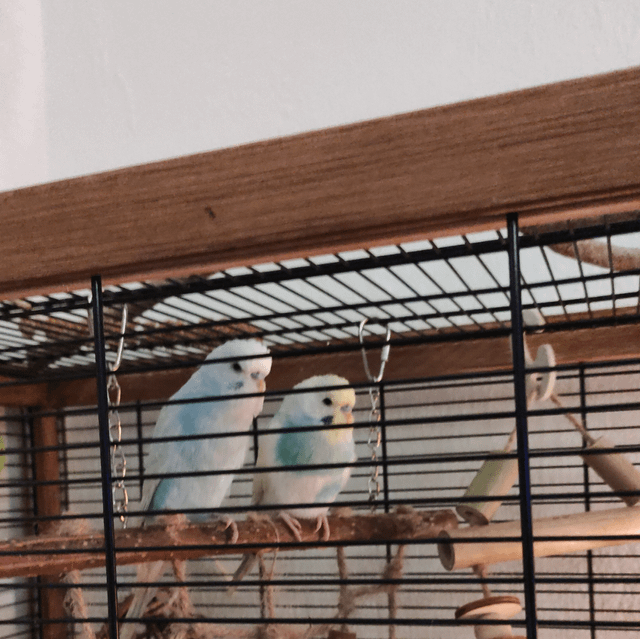
Having a pet bird brings joy and melody to your home, but it also comes with responsibilities. One of the most crucial tasks is maintaining a clean environment for your feathered friend.
You might wonder, “How often should you clean a bird cage? ” It’s a common question, and the answer is vital for your bird’s health and happiness. A clean cage prevents diseases, eliminates unpleasant odors, and keeps your bird chirping joyfully.
You’ll discover the ideal cleaning routine to ensure a safe and happy home for your bird. Stick around, because understanding the right cleaning frequency can make all the difference in the world for your feathered companion.
Credit: birdsupplies.com
Daily Cleaning Tasks
Keeping your bird’s cage clean every day is essential for their health and happiness. Daily cleaning tasks prevent the buildup of waste and food debris, which can attract bacteria and pests. Spending just a few minutes each day can make a big difference in your bird’s environment and well-being.
Removing Droppings And Food Debris
Check the cage floor and bottom tray for droppings and leftover food. Use a small scoop or paper towels to remove waste promptly. This keeps the cage fresh and reduces unpleasant odors.
Don’t forget to look under perches and feeding areas where debris tends to accumulate. If droppings dry and harden, they become harder to clean later, so tackling them daily saves effort. Have you noticed how much cleaner the cage feels after just a quick daily wipe?
Refreshing Water And Food Bowls
Replace your bird’s water with fresh, clean water every day. Birds can be sensitive to stagnant water, which may harbor bacteria or algae. Clean the water bowl thoroughly to avoid any buildup.
Similarly, remove old food and refill the bowl with fresh portions. Birds tend to be messy eaters, so daily attention prevents spoilage and keeps your pet eager to eat. What’s your bird’s favorite treat to add during these daily refills?
Spot Cleaning Perches And Toys
Perches and toys are hotspots for droppings and dirt. Wipe them down daily with a damp cloth or bird-safe cleaning wipe. This helps maintain a hygienic environment and prevents your bird from picking up germs.
Look for any wear and tear on toys during cleaning. Damaged toys can pose risks, so replace them as needed. Have you ever found a favorite toy that needed retiring after a daily check?
Credit: birdsupplies.com
Weekly Deep Cleaning
Weekly deep cleaning is essential for a healthy bird and a fresh cage environment. It removes dirt, bacteria, and odors that daily cleaning can’t handle. A thorough clean also prevents diseases and keeps your bird happy.
Disinfecting The Cage
Use a bird-safe disinfectant to clean the cage bars and tray. Remove your bird first and wipe all surfaces with the solution. Let the cage dry completely before putting your bird back inside. Avoid harsh chemicals that can harm your pet.
Washing Toys And Accessories
Take out all toys, perches, and food dishes. Wash them with warm soapy water and rinse well. Some items can go in the dishwasher for a deeper clean. Dry everything fully to prevent mold and bacteria growth.
Replacing Cage Liners
Remove old cage liners and dispose of them properly. Use fresh liners that fit your cage size well. Changing liners weekly reduces odors and keeps the cage floor clean. Choose liners made from safe, non-toxic materials.
Signs To Clean More Often
Knowing when to clean a bird cage more often keeps your pet happy and healthy. Birds can’t always tell you when their space is dirty. Watch for clear signs that the cage needs extra attention. These clues help prevent health problems and keep the environment fresh.
Noticing Odors Or Excess Dirt
A strong smell from the cage means it needs cleaning. Bird droppings and food waste build up quickly. Dirt or feathers stuck on bars or perches show the cage is dirty. Clean more often if the cage looks messy or smells bad. A clean cage smells fresh and looks neat.
Bird Health Indicators
Changes in your bird’s behavior can signal a dirty cage. If your bird seems tired or sick, check the cage first. Sneezing, coughing, or watery eyes may mean germs are growing. Birds need a clean place to avoid infections. Clean the cage more often to protect your bird’s health.
Seasonal And Environmental Factors
Weather affects how often you clean the cage. Hot weather speeds up droppings and food decay. Dust or pollen in spring can make the cage dirty faster. If your bird spends time outside, dirt and insects may enter. Adjust cleaning frequency based on these changes in environment.
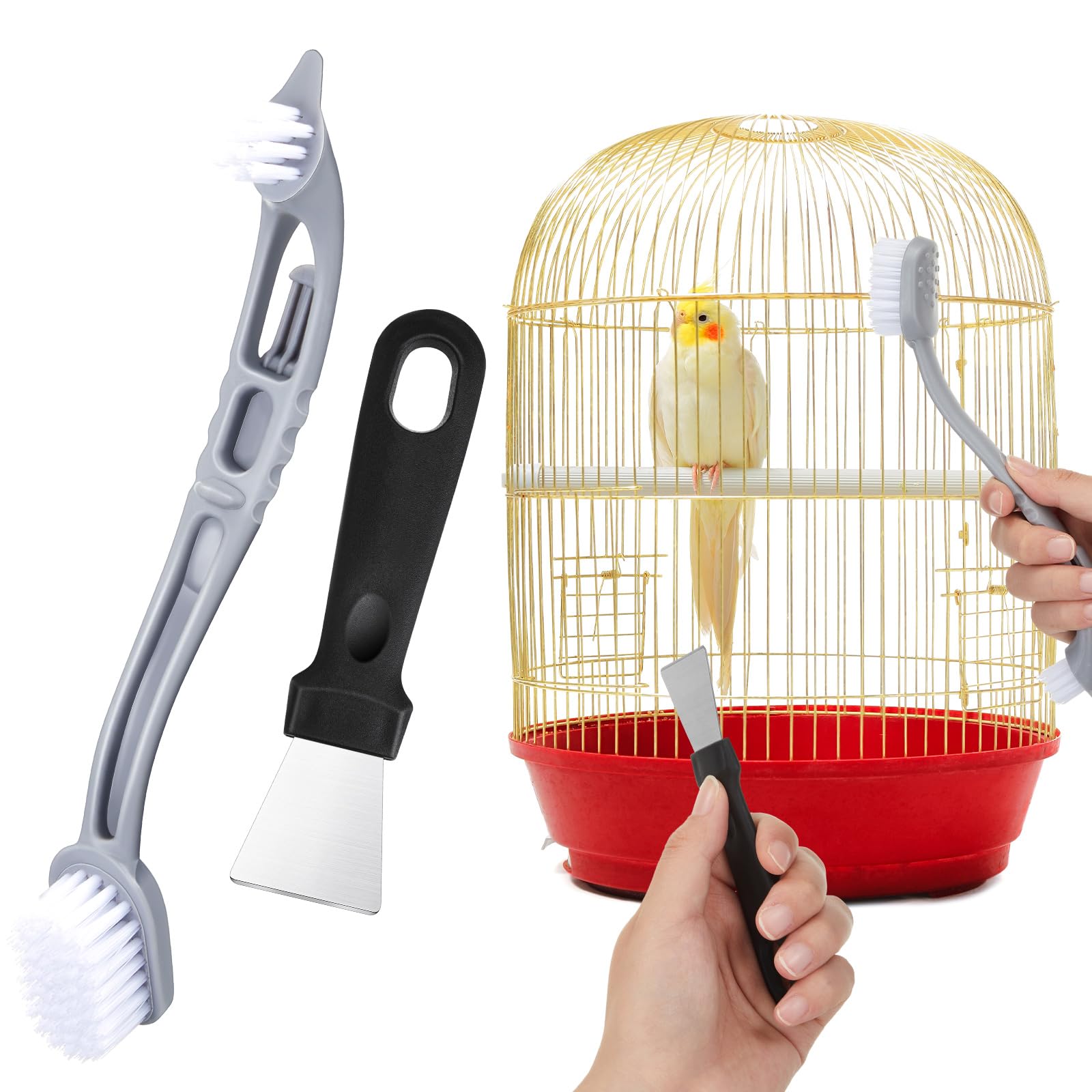
Credit: www.amazon.com
Frequently Asked Questions
How Often Should I Clean My Bird’s Cage?
Clean your bird’s cage weekly to maintain hygiene. Remove droppings, food debris, and replace liners regularly. Deep clean the cage monthly to prevent bacteria buildup and keep your bird healthy.
What Daily Tasks Keep A Bird Cage Clean?
Daily tasks include removing uneaten food, changing water, and spot cleaning droppings. These small routines prevent odor and keep the cage fresh for your bird.
Why Is Regular Bird Cage Cleaning Important?
Regular cleaning prevents disease and infections in birds. A clean cage reduces harmful bacteria, improves air quality, and ensures a healthy living environment for your pet.
Can Infrequent Cage Cleaning Harm My Bird?
Yes, infrequent cleaning can lead to bacterial growth and illness. Dirty cages attract pests and cause respiratory problems, affecting your bird’s overall well-being.
Conclusion
Keeping your bird’s cage clean helps them stay healthy and happy. Clean the cage at least once a week to avoid dirt and germs. Spot clean daily to remove droppings and food spills. Regular cleaning prevents bad smells and keeps your home fresh.
A clean cage also stops pests from coming near. Make cleaning part of your routine for your bird’s well-being. Remember, a tidy cage means a joyful bird. Simple steps make a big difference. Your feathered friend will thank you with bright feathers and cheerful chirps.