
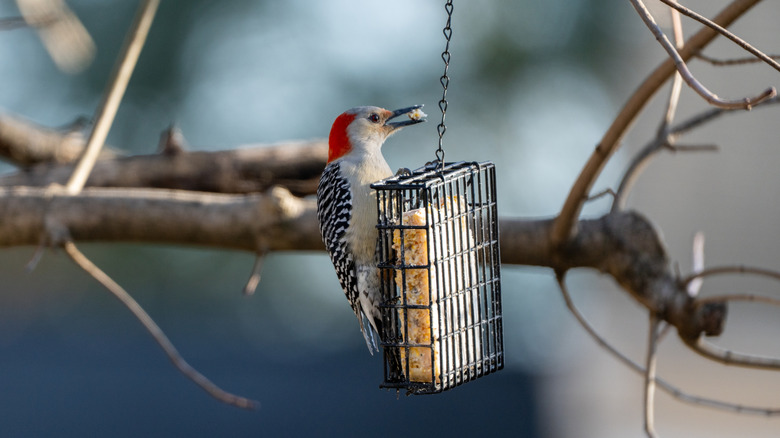
Imagine stepping into your garden and being greeted by a lively chorus of chirping birds. It’s a melody that can transform any ordinary day into something special.
If you’re looking to bring this natural symphony to your backyard, you’re in the right place. Attracting birds to a suet feeder is simpler than you might think. With a few tips and tricks, your garden can become a bustling haven for our feathered friends.
You’ll not only get to enjoy their vibrant colors and joyful songs but also contribute to their well-being. Curious to find out how you can make this happen? Keep reading, and you’ll discover the secrets to turning your suet feeder into the ultimate bird magnet.
Credit: www.kingsyard.com
Choosing The Right Suet
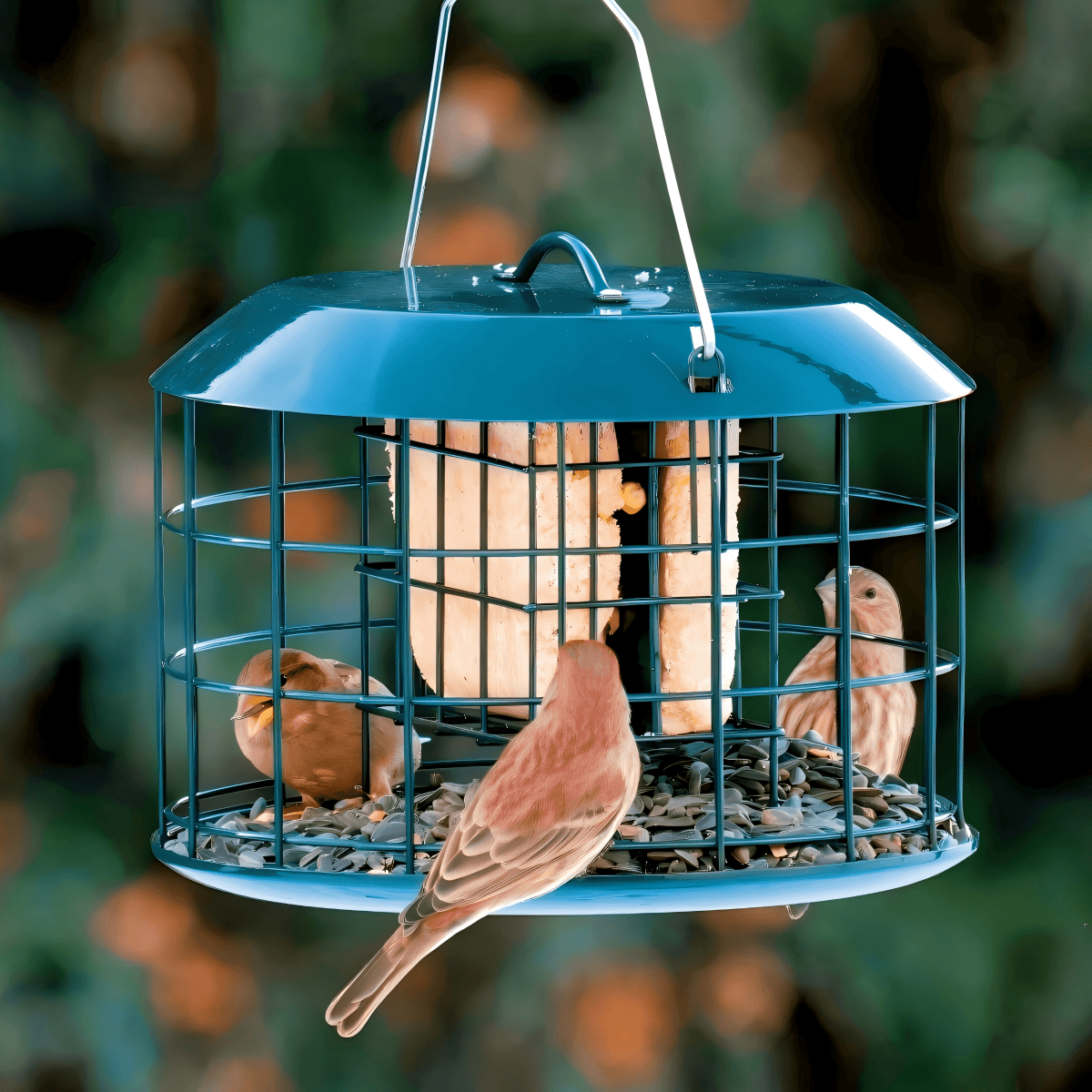
Choosing the right suet is key to attracting many birds. Suet provides high energy, especially in cold weather. Birds need fats and proteins found in suet to stay active and healthy. Different birds prefer different types of suet. Selecting the right kind helps bring a variety of birds to your feeder. Understanding types and options can improve your birdwatching experience.
Types Of Suet Cakes
Suet cakes come in many varieties. Common types include:
- Plain suet made from animal fat.
- Suet mixed with seeds for extra nutrition.
- Fruit and nut suet for birds that like sweetness.
- Insect suet to attract insect-eating birds.
Choosing the type depends on the birds you want to attract. Some birds prefer simple suet, others like added ingredients.
Seasonal Suet Options
Seasonal changes affect bird feeding habits. In winter, plain suet is great to provide energy. Spring and summer suet often contains insects or fruits. These ingredients match the birds’ natural diet during warmer months. Change suet types with the seasons to keep birds interested and healthy.
Homemade Vs Store-bought
Homemade suet lets you control ingredients. You can add seeds, nuts, or dried fruit. It can be fresher and cost-effective. Store-bought suet is convenient and ready to use. It often has longer shelf life and balanced nutrition. Both options work well, depending on your time and preference.
Credit: www.kingsyard.com
Optimal Feeder Placement
Optimal feeder placement plays a crucial role in attracting a variety of birds to your suet feeder. Where you put your feeder affects which birds visit, how often they come, and how safe they feel while feeding. A well-chosen spot encourages frequent visits and lets you enjoy watching birds up close.
Safe And Visible Locations
Choose a spot where birds feel secure and can easily spot the feeder. Placing the feeder near shrubs or trees provides quick shelter if danger approaches. However, keep it visible enough so birds can find it without hesitation.
Think about your own experience watching birds. Have you noticed how they avoid feeding spots that feel exposed? Positioning your feeder in a place that balances cover and visibility increases your chances of attracting more birds.
Height And Accessibility
Mount your suet feeder at a height between 5 to 6 feet off the ground. This height is ideal for most backyard birds and helps you watch them comfortably. It also keeps the feeder out of reach of some ground predators.
Make sure the feeder is easy for you to refill but not too accessible for squirrels or other pests. A sturdy pole or a hanging hook near a window often works well. How often would you want to climb a ladder just to add suet?
Avoiding Predators
Keep your feeder away from places where cats or hawks can easily hide and launch an attack. Avoid locations close to dense bushes where predators can lurk unseen. A clear, open space around the feeder gives birds a better chance to spot danger early.
Consider placing the feeder at least 10 feet from jumping-off points like fences or roofs. This small distance can make a big difference in keeping your feathered friends safe. Would you feel comfortable eating if a predator was just a leap away?
Attracting Different Bird Species
Attracting a variety of bird species to your suet feeder can turn your backyard into a lively birdwatching spot. Different birds have unique tastes and habits, so understanding what appeals to each species helps you create a welcoming environment. Let’s look at how you can cater to these preferences, add complementary food sources, and enjoy seasonal visitors throughout the year.
Bird Preferences For Suet
Not all birds like the same type of suet. Woodpeckers and nuthatches prefer suet with insects or nuts, while chickadees enjoy plain suet. You can experiment by offering suet cakes with added berries or sunflower seeds to attract a broader range of birds.
Notice which birds visit your feeder most often. Adjust the suet ingredients based on their preferences to keep them coming back. Have you tried switching suet types and observed different birds appearing?
Using Additional Food Sources
Adding other food options near your suet feeder attracts more species. Seeds like sunflower, safflower, or millet can bring finches, cardinals, and sparrows. Fresh fruit slices or peanut butter spread on nearby branches can also be a big draw.
Providing a mix of foods creates a mini buffet that appeals to birds with different diets. This variety not only keeps birds interested but also increases your chances of spotting rarer visitors.
Seasonal Bird Visitors
Bird species visiting your suet feeder change with the seasons. In winter, you might see more woodpeckers and chickadees seeking high-energy suet. Spring and fall migrations bring warblers and flycatchers that may stop by if you offer fruit or insects in the suet.
Think about adjusting your feeder’s offerings based on the time of year. Have you noticed a shift in bird types as the seasons change? Tailoring your feeder for seasonal visitors can make your birdwatching experience more exciting.
Maintaining Your Feeder
Maintaining your suet feeder is key to keeping birds coming back day after day. A clean and well-stocked feeder not only attracts more birds but also keeps them healthy. Neglecting maintenance can turn your feeder into a source of disease or spoilage, which will discourage visitors.
Cleaning Tips
Clean your suet feeder regularly to prevent dirt and bacteria buildup. Use warm water and a mild soap, avoiding harsh chemicals that could harm birds. Scrub all parts thoroughly, including corners and crevices where old suet might get stuck.
Rinse the feeder well and let it dry completely before refilling. This prevents mold growth and keeps the suet fresh longer. How often you clean depends on weather and bird activity, but a weekly wash is a good starting point.
Preventing Mold And Spoilage
Mold can quickly ruin suet and pose health risks to birds. To stop this, keep the feeder in a shaded area to avoid direct sunlight, which speeds up melting and spoilage. Choose suet blocks with natural preservatives or add a bit of peanut butter to improve texture and reduce moisture buildup.
Check the suet daily for any signs of mold or a sour smell. Remove any spoiled suet immediately to protect visiting birds. Have you noticed birds avoiding your feeder? Spoiled suet could be the reason.
Regular Refilling Schedule
Birds rely on your feeder as a consistent food source. Keep it full by checking the suet level every two to three days during peak feeding times. If you notice the suet disappearing quickly, increase refilling frequency to meet demand.
Adjust your schedule seasonally—birds eat more in cold weather and less during warmer months. You’ll build trust with your feathered visitors by keeping their favorite treat readily available.

Credit: www.livingwithbirds.com
Frequently Asked Questions
What Types Of Birds Prefer Suet Feeders?
Woodpeckers, nuthatches, chickadees, and titmice are common suet feeder visitors. These birds love the high-energy fat content in suet, especially during cold weather, making suet feeders ideal for attracting a variety of insect-eating birds year-round.
How To Choose The Best Suet For Birds?
Select suet that is fresh, high-quality, and free from additives. Suet mixed with seeds, nuts, or berries attracts more birds. Avoid rancid or dyed suet, as it may harm birds and reduce feeder visits.
Where Should I Place My Suet Feeder?
Place your suet feeder in a shady, quiet location near trees or shrubs. This provides birds with shelter and protection from predators while making your feeder more visible and accessible to them.
Can Suet Feeders Attract Unwanted Animals?
Yes, suet feeders can attract squirrels and raccoons. Use squirrel-proof feeders or baffles to protect suet. Regularly monitor and clean your feeder to minimize unwanted visitors and keep birds safe.
Conclusion
Birds love suet feeders because they offer tasty, high-energy food. Place your feeder where birds feel safe and can spot predators. Keep the suet fresh and clean to attract more visitors. Try different suet types to see which birds come by.
Watching birds feed brings joy and helps nature thrive. Enjoy the simple pleasure of feeding wild birds every day. Small steps can create a lively backyard full of birds. Happy bird watching!