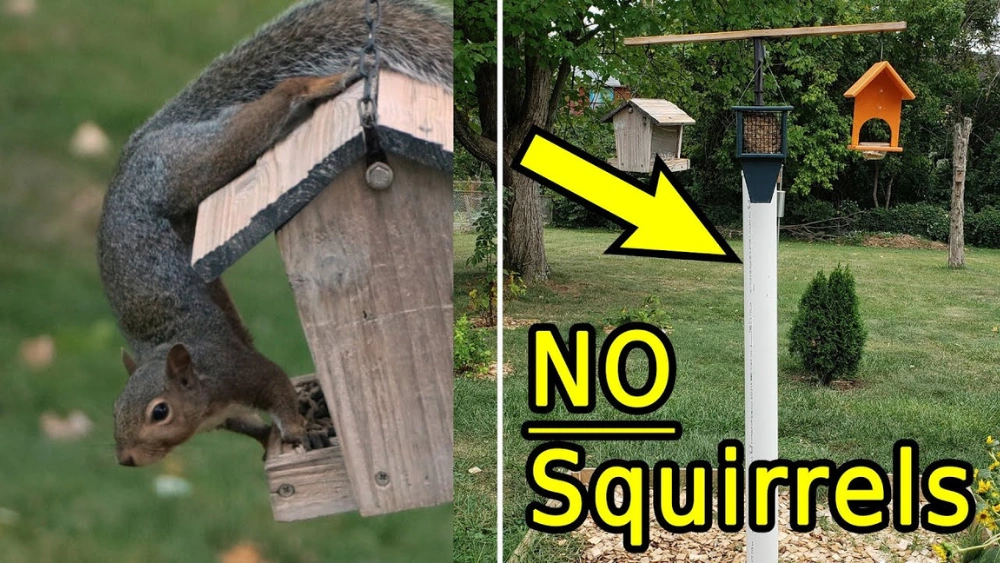
Are you tired of watching your bird feeder turn into a squirrel buffet? You fill it up, hoping to attract vibrant birds, only to find mischievous squirrels stealing the show—and the seeds.
It’s frustrating, isn’t it? But you’re not alone. Many nature lovers face this challenge. The good news is, there are effective ways to keep those crafty critters at bay. Imagine a serene morning, sipping your coffee while colorful birds flutter in your yard, undisturbed.
Sounds perfect, right? Stick with us, and you’ll discover simple, proven strategies to keep squirrels out of your bird feeder, ensuring peace in your backyard paradise.

Credit: www.yahoo.com
Choose Squirrel-proof Feeders
Choosing the right squirrel-proof feeder is a smart way to keep those clever critters from raiding your bird feeder. Not all feeders are created equal, and selecting one designed to deter squirrels can save you time and frustration. Let’s dive into some effective types that can protect your birdseed while still welcoming your feathered friends.
Feeders With Weight-activated Mechanisms
These feeders sense the weight of whatever lands on them. When a squirrel, which is heavier than most birds, climbs on, the feeder’s ports close automatically. This simple but effective design keeps squirrels from accessing the seeds without harming them.
I once switched to a weight-activated feeder after constant squirrel raids. Almost overnight, the squirrels stopped feeding, but the birds kept coming back happily. Could such a mechanism be the balance between sharing with birds and outsmarting squirrels in your yard?
Caged Feeders To Protect Seeds
Caged feeders have a metal or wire cage surrounding the seed container. The cage has openings just large enough for small birds to enter but too small for squirrels to squeeze through. This physical barrier is a straightforward solution to keep squirrels out.
Think about the types of birds you want to attract. If you enjoy watching smaller birds like finches or chickadees, a caged feeder might work perfectly. But if you prefer larger birds, check that the cage openings suit their size before buying.
Feeders With Baffles
Baffles are domes or cones placed above or below the feeder to block squirrels from climbing down or up to the feeding ports. These can be installed on poles or hanging feeders. The slippery surface and odd angles confuse squirrels, making access nearly impossible.
Installing a baffle requires some trial and error. You might need to adjust its position or height to stop squirrels from finding a workaround. Have you noticed squirrels’ surprising agility? Baffles challenge their tactics and protect your birdseed effectively.
Position Feeders Strategically
Positioning bird feeders carefully can reduce squirrel visits. Squirrels are great jumpers and climbers. Placing feeders correctly makes it harder for them to reach food. This step helps protect your birdseed and keeps birds safe.
Distance From Trees And Structures
Keep feeders at least 10 feet away from trees and buildings. Squirrels use branches and roofs as jumping points. The extra space stops them from leaping onto feeders. Check for nearby wires or poles that squirrels could use.
Use Poles With Baffles
Mount feeders on poles with baffles installed below. Baffles are cone-shaped guards that block squirrels. They slide down or cannot climb past these barriers. Choose sturdy poles and place baffles about 4 feet high.
Avoid Easy Jumping Points
Remove nearby objects squirrels can jump from. Look for fences, garden furniture, or stacked wood. Keep the area around feeders clear. This reduces chances for squirrels to reach the seed.
Use Squirrel Deterrents
Keeping squirrels out of your bird feeder can feel like a constant battle. Using squirrel deterrents is one of the most effective ways to protect your bird food without harming the critters. These deterrents make your feeder less appealing or harder for squirrels to access, encouraging them to look elsewhere.
Spicy Seed Coatings
Have you tried coating your bird seeds with something squirrels dislike? Spicy seed coatings, especially those containing cayenne pepper or chili powder, work wonders. Birds can’t taste the spice, but squirrels find it unpleasant, so they avoid the feeder.
Applying a light dusting to the seeds is simple and doesn’t harm your feathered friends. This trick can reduce squirrel visits drastically. Would you be willing to add a little heat to keep squirrels away?
Scent Repellents
Squirrels rely heavily on their sense of smell. Certain scents like peppermint oil, garlic, or predator urine can discourage them from coming near your feeder. You can soak cotton balls in these scents and place them around your feeder’s base.
Remember to refresh the scent regularly for continued effectiveness. These natural repellents are safe and eco-friendly options. Have you noticed which smells squirrels avoid most in your area?
Motion-activated Sprinklers
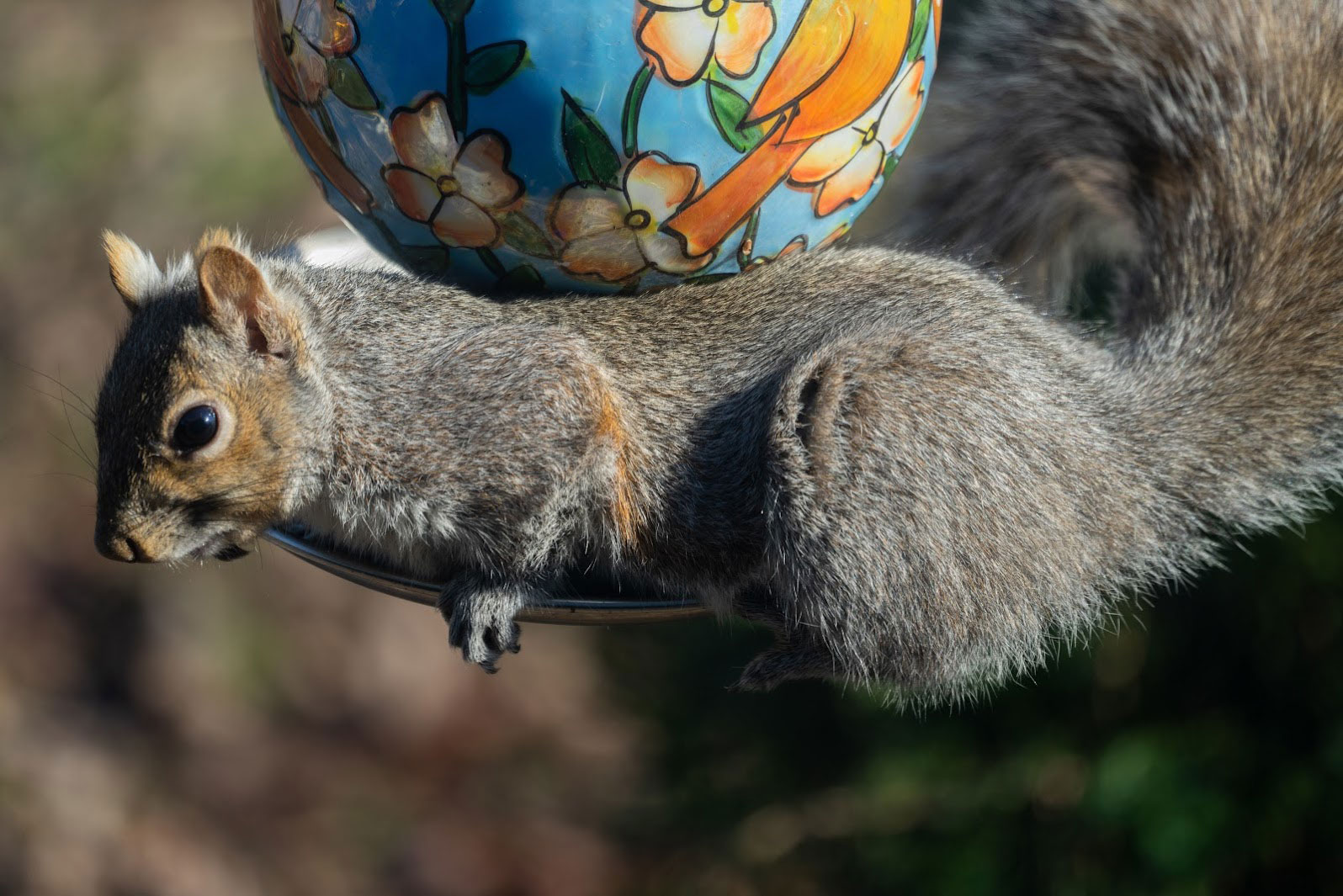
Imagine a sprinkler that turns on only when squirrels approach your feeder. Motion-activated sprinklers surprise squirrels with a sudden burst of water, startling them without causing harm. This method is highly effective for persistent squirrels.
These sprinklers save water by only activating when needed, making them an eco-conscious choice. Plus, they keep your garden hydrated while protecting your bird food. Could a splash of water be the ultimate squirrel deterrent for your yard?
Credit: www.popsci.com
Maintain A Squirrel-free Feeding Area
Maintaining a squirrel-free feeding area is key to protecting your bird feeder. A clean and well-kept space discourages squirrels from invading. It also ensures birds can eat safely and comfortably. Small changes around your feeder can make a big difference. Focus on keeping the area tidy and secure.
Clean Up Seed Spills
Seed spills attract squirrels quickly. They love to feast on scattered seeds. Use a small broom or brush to sweep up spills daily. Dispose of the waste far from the feeder. This reduces easy food sources that draw squirrels close.
Remove Nearby Food Sources
Check your yard for other food sources. Fallen fruit, nuts, or pet food can invite squirrels. Pick up and dispose of these items regularly. Keep trash cans tightly closed to block access. Clear away bird nests or debris that might shelter squirrels.
Regularly Inspect And Repair Feeders
Damaged feeders give squirrels easy access. Look for cracks, holes, or loose parts. Fix or replace feeders that show wear. Tighten any loose screws or attachments. A sturdy feeder keeps birds safe and squirrels out.

Credit: www.popsci.com
Frequently Asked Questions
How Can I Squirrel-proof My Bird Feeder Effectively?
Use squirrel baffles and place feeders away from trees. Opt for weight-sensitive feeders that close when squirrels climb. Regularly clean and refill feeders to attract birds, not squirrels.
What Types Of Bird Feeders Keep Squirrels Away?
Caged tube feeders and weight-activated feeders deter squirrels. Metal or hard plastic feeders are harder for squirrels to chew. Choose feeders with smooth poles to prevent climbing.
Where Should I Place Bird Feeders To Avoid Squirrels?
Place feeders at least 10 feet away from trees and structures. Use tall, smooth poles with baffles. Avoid placing feeders near jumping-off points for squirrels.
What Natural Deterrents Repel Squirrels From Feeders?
Spicy sprays like cayenne pepper discourage squirrels but not birds. Use predator urine or reflective objects to scare squirrels. Regularly change deterrents to maintain effectiveness.
Conclusion
Keeping squirrels away from your bird feeder takes patience and simple steps. Use barriers, special feeders, or natural repellents. Check your feeder often and clean up spilled seeds. Small changes can protect your birds’ food. Enjoy watching birds without the squirrel mess.
Stay consistent and enjoy a peaceful garden.