
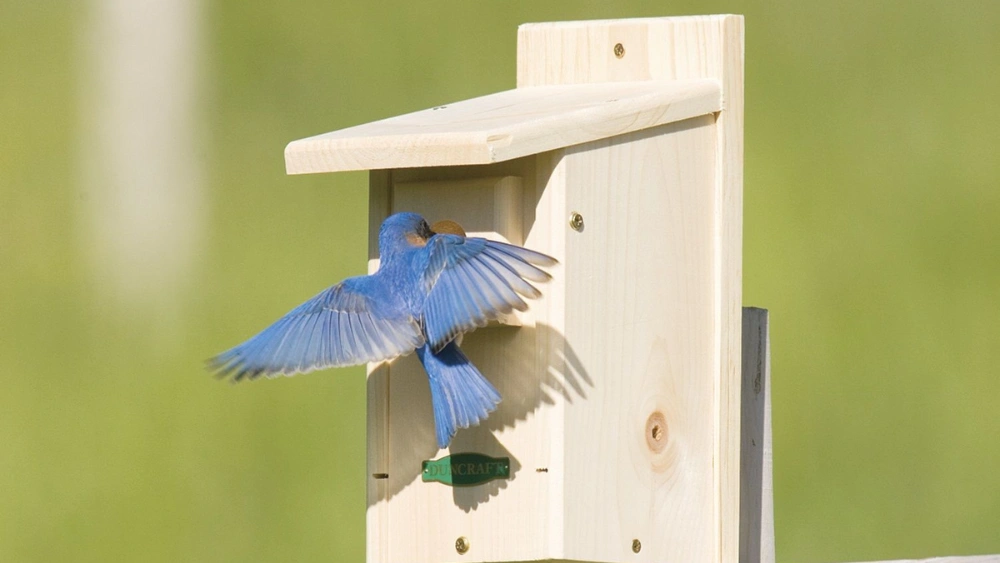
Are you looking to attract the charming Eastern Bluebird to your backyard? Building a bluebird house is a rewarding project that brings nature a little closer to home.
Imagine the joy of watching these vibrant birds nest, raise their young, and fill your garden with song. This guide will walk you through the simple steps to construct a cozy and inviting home for your feathered friends. By creating the perfect haven, you’ll not only help support the bluebird population but also transform your outdoor space into a lively and colorful sanctuary.
Ready to get started? Let’s dive into the essentials of building an Eastern Bluebird house and make your garden the neighborhood hotspot for these delightful birds.
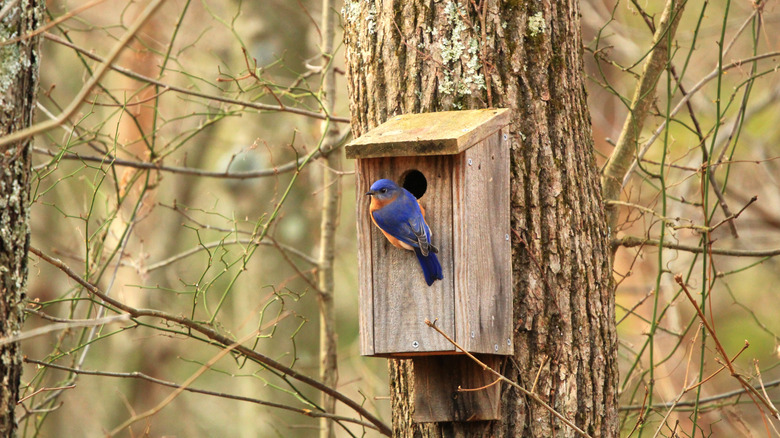
Credit: www.outdoorguide.com
Choosing The Right Location
Choosing the right location for your Eastern Bluebird house is crucial to attracting these beautiful birds. The perfect spot not only encourages bluebirds to nest but also ensures their safety and comfort. Let’s look at how to pick a location that meets their needs and keeps them coming back year after year.
Ideal Habitat For Bluebirds
Bluebirds prefer open areas with scattered trees and short grass. Think about places like meadows, parks, or the edges of fields where they can easily hunt for insects.
If your yard has a mix of open space and some trees or shrubs, it might be an ideal habitat. Avoid dense forests or areas crowded with tall bushes, as bluebirds like clear sightlines.
Avoiding Predators And Disturbances
Predators such as raccoons, cats, and snakes can threaten bluebird nests. Position the house away from thick brush or places where these animals might hide.
Also, try to place the house in a quiet area with minimal human traffic. Noise and frequent disturbances can scare bluebirds away before they settle in.
Optimal Height And Placement
Mount the bluebird house about 4 to 6 feet above the ground. This height offers protection from ground predators while still keeping the nest accessible for bluebirds.
Face the entrance hole away from prevailing winds to shield the nest from harsh weather. East or southeast-facing openings often work best.
Have you noticed how birds seem to prefer certain spots in your yard? Experiment with different heights and orientations to see what works best for your local bluebirds.

Credit: www.amazon.com
Selecting Materials
Selecting the right materials is key to building a strong Eastern Bluebird house. Good materials provide safety and comfort for the birds. They help the house last through all seasons. Choosing natural, non-toxic supplies supports bird health and nesting success.
Focus on wood types that offer durability and insulation. Gather basic tools that make the building process easy and precise. Use finishes that protect the house without harming the birds or environment.
Best Wood Types
Choose untreated, natural wood for the birdhouse. Cedar is popular because it resists rot and insects. Pine is affordable but less durable outdoors. Cypress offers good weather resistance and lasts long. Avoid pressure-treated wood since chemicals can harm birds.
- Cedar – Durable, rot-resistant, lightweight
- Pine – Easy to work with, less weatherproof
- Cypress – Strong, weather-resistant, long-lasting
Tools And Supplies Needed
Gather basic tools to build the house efficiently. A saw cuts wood to the right size. A drill makes entrance holes and assembly easier. Sandpaper smooths rough edges to protect birds. Use nails or screws to hold parts firmly together. A measuring tape ensures accurate dimensions.
- Saw (hand or power)
- Drill with bits
- Sandpaper (medium grit)
- Nails or screws
- Measuring tape
- Hammer or screwdriver
Safe And Durable Finishes
Choose finishes that protect wood but stay safe for birds. Avoid paint inside the house or on the entrance hole. Use natural oils like linseed oil to seal the wood outside. Water-based, non-toxic sealers work well too. These finishes guard against moisture and sun damage.
- Natural linseed oil (outside only)
- Water-based, non-toxic wood sealers
- No paint or finish inside the house
Building The Nest Box
Building a nest box for Eastern Bluebirds provides them with a safe place to raise their young. The design must meet their needs for comfort and protection. A well-built box encourages these beautiful birds to make it their home.
Focus on the right size, ventilation, and entrance hole. These details help keep the nest dry and secure. Let’s explore how to create a perfect nest box.
Dimensions And Design
The box should be simple and sturdy. Use untreated wood, about ¾ inch thick. The inside floor space must be around 5×5 inches. The height inside should be about 8 inches.
A slanted roof helps rain run off. The front panel must open or have a hinge for cleaning. Avoid sharp edges inside. Smooth all surfaces to protect baby birds.
Ventilation And Drainage
Proper airflow stops heat and moisture buildup. Drill small holes near the top on two sides for ventilation. These holes allow fresh air to circulate.
Drainage holes at the box bottom prevent water from pooling. Use 4 to 6 tiny holes spaced evenly. This keeps the nest dry and safe from mold.
Entrance Hole Specifications
The entrance hole size is critical. It controls which birds can enter. A 1.5-inch diameter hole suits Eastern Bluebirds perfectly.
Place the hole about 6 inches above the floor. This height gives babies space to grow. A smooth, round hole helps birds enter easily.

Credit: www.bluebirdlanding.com
Maintenance And Monitoring
Keeping an Eastern Bluebird house in good shape helps these birds thrive. Regular care ensures the house stays safe and inviting. Monitoring the house lets you spot any problems early. This section explains how to maintain and watch over your bluebird house.
Cleaning The House
Clean the house after each nesting season. Remove old nesting material and debris. Use a brush to scrub inside walls gently. Avoid harsh chemicals; warm, soapy water works best. Let the house dry completely before closing it. Clean houses reduce parasites and disease risks.
Seasonal Care Tips
- Inspect the house in early spring before birds arrive.
- Fix cracks, loose parts, or rusted nails promptly.
- Check drainage holes to prevent water buildup.
- Paint or stain the outside with non-toxic products only.
- Ensure the house is securely mounted against wind and predators.
Seasonal checks protect bluebirds and extend the house’s life.
Encouraging Bluebird Occupancy
Place the house in open areas with low vegetation. Maintain a clear flight path to the entrance hole. Avoid placing houses near noisy or busy locations. Keep cats and other predators away from the site. Adding a predator guard can improve safety. These steps make the house more attractive to bluebirds.
Frequently Asked Questions
What Materials Are Best For An Eastern Bluebird House?
Use untreated wood like cedar or pine for durability. Avoid metal or plastic, which retain heat. Wood provides insulation and a natural look, helping bluebirds feel safe and comfortable. Ensure the wood is at least ¾ inch thick for proper protection.
How High Should I Mount The Bluebird House?
Mount the house 4 to 6 feet above ground. This height protects bluebirds from predators and keeps the nest safe. Place it in an open area with short grass nearby for easy feeding and flight access.
What Size Should The Entrance Hole Be?
The entrance hole should be 1. 5 inches in diameter. This size allows bluebirds to enter but keeps out larger birds and predators. Proper hole size is crucial for attracting Eastern Bluebirds and protecting their young.
When Is The Best Time To Build And Install The House?
Build and install the house in late winter or early spring. This timing prepares the house before bluebirds start nesting. Early setup increases the chances of bluebirds discovering and using the house.
Conclusion
Building an Eastern Bluebird house helps birds find a safe home. It also brings joy to your garden and backyard. Use simple materials and follow easy steps to build it right. Place the house where bluebirds can feel safe and comfortable.
Watch these beautiful birds visit and raise their young. Small efforts like this support nature around us. Enjoy the peace and beauty that bluebirds bring. Start your project today and help the bluebird population grow.