
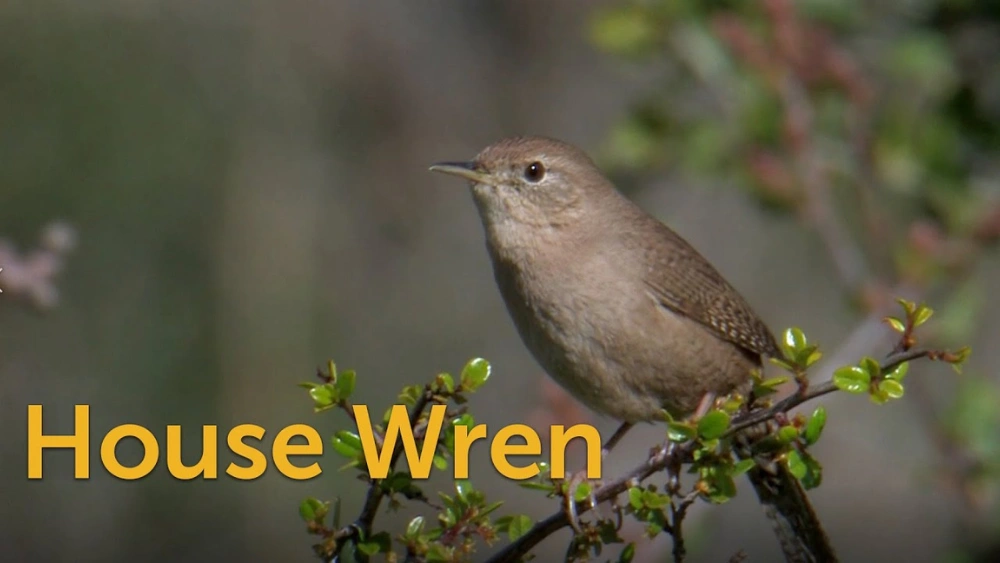
Are you a nature enthusiast or a backyard birdwatcher eager to welcome the cheerful chirps of wrens into your garden? If you’ve ever wondered about the perfect distance for spacing wren houses, you’re not alone.
Creating the ideal environment for these tiny, energetic birds is crucial for their comfort and your viewing pleasure. Imagine waking up to the delightful sounds of wrens singing and bustling around your yard. But achieving this avian paradise requires a little know-how about wren house placement.
Curious to learn how you can attract these charming creatures and make your garden a haven for them? Read on, as we unravel the secrets to perfectly spacing wren houses and transforming your outdoor space into a birdwatcher’s delight.

Credit: www.amazon.com
Ideal Distance Between Wren Houses
Placing wren houses at the right distance supports their natural behavior. Wrens are territorial birds. Proper spacing helps reduce fights and stress. It also increases the chances of more wrens nesting nearby.
The ideal distance between wren houses depends on the species and environment. Most wrens prefer some space to claim their territory. Too close, and they may compete or avoid the area. Too far apart, and you miss chances for a lively garden full of birds.
Recommended Distance For Wren Houses
A good rule is to space wren houses about 10 to 15 feet apart. This distance respects their territorial needs. It allows multiple pairs to nest in the same garden. Each pair gets enough space to feel safe.
Factors Influencing House Spacing
- Type of wren species in your region
- Availability of natural food and water sources
- Size and layout of your yard or garden
- Presence of predators or other birds
Adjust spacing if your garden is small or crowded. Sometimes placing houses 8 feet apart works well.
Placement Tips For Better Results
- Mount houses at least 5 feet above the ground
- Face the entrance away from prevailing winds
- Choose quiet, sheltered spots with some shade
- Keep houses clean and dry to attract wrens
Spacing and placement together create a welcoming home for wrens.
Factors Influencing Wren House Spacing
Spacing your wren houses correctly is crucial for attracting these lively birds while ensuring they feel safe and comfortable. Several factors influence how far apart you should place the houses, from the type of wrens you’re hoping to attract to the environment surrounding your garden. Understanding these elements helps you create a welcoming habitat that encourages wrens to stay and thrive.
Species Behavior And Territorial Needs
Different wren species have varying territorial ranges. Some wrens are highly territorial and prefer their nesting sites spaced widely apart to avoid conflicts. Others tolerate closer neighbors, so knowing the specific species in your area guides your spacing choices.
Have you noticed how some wrens chase others away from nearby birdhouses? This behavior shows their need for personal space, which you should respect when placing houses.
Availability Of Natural Food Sources
Wrens rely on insects and spiders for food, so spacing houses near abundant food sources reduces competition. If your yard has plenty of shrubs, flowers, or leaf litter, you can place houses closer together. In less rich environments, wider spacing helps each pair find enough food.
Think about your garden’s insect population—does it support many wrens, or will they need more room to hunt?
Habitat Structure And Vegetation Density
Dense vegetation offers more hiding spots and protection, allowing you to place wren houses closer together. In open areas, houses should be spaced farther apart to give birds enough cover and reduce stress from predators. Consider the types of plants and how thickly they grow when deciding placement.
Predator Presence And Safety Concerns
If your area has many predators like cats or larger birds, spacing wren houses farther apart can reduce risk. It prevents predators from easily finding multiple nests in one spot. Adding protective features like placing houses on poles or away from dense ground cover also helps.
Ask yourself: How safe is your yard for these tiny birds? Adjust spacing to boost their chances of survival.
Human Activity And Disturbance Levels
Wrens prefer quiet, low-traffic areas for nesting. If your garden has frequent human activity, spread the houses out to create peaceful zones. This reduces stress on the birds and increases the likelihood they’ll use the houses.
Have you noticed wrens avoiding busy spots? Spacing houses to minimize disturbance can make a big difference.
Spacing Tips For Different Environments
Spacing wren houses correctly depends a lot on where you place them. Different environments affect how close or far apart the houses should be. Getting this right helps wrens feel safe and reduces territorial fights, making your backyard a lively spot for these tiny birds.
Spacing In Urban And Suburban Areas
In cities and suburbs, space is limited, but wrens still need room to claim territory. Aim to place wren houses about 10 to 15 feet apart. This distance balances their need for personal space with the constraints of smaller yards.
Think about the presence of other birdhouses and feeders nearby. If you have multiple birdhouses, keep them spaced evenly to avoid overcrowding. Wrens are territorial and may avoid houses that are too close to one another.
Spacing In Rural And Woodland Settings
In more natural, wooded areas, wrens have more space and resources. You can increase spacing to 20 or even 30 feet between houses. This helps reduce competition and lets wrens establish clear territories.
Consider the density of trees and shrubs. Placing houses near thick vegetation provides shelter and food access, so spacing them out allows multiple pairs to thrive without conflict.
Spacing Near Water Sources
Wrens love being near water, but houses placed too close together can cause disputes. Keep at least 15 feet between houses near ponds or streams to give each pair enough space.
Water areas attract many birds, so extra spacing helps reduce noise and stress. Have you noticed how birds act differently around crowded feeders? The same principle applies here.
Adjusting Spacing For Seasonal Changes
Seasonal shifts can change how wrens use your space. In spring, when breeding starts, they may need more distance to avoid competition. During non-breeding seasons, they tolerate closer proximity.
Try observing their behavior through the year. If you see aggressive chasing, increase the distance between houses slightly. Your adjustments can make a big difference in their nesting success.
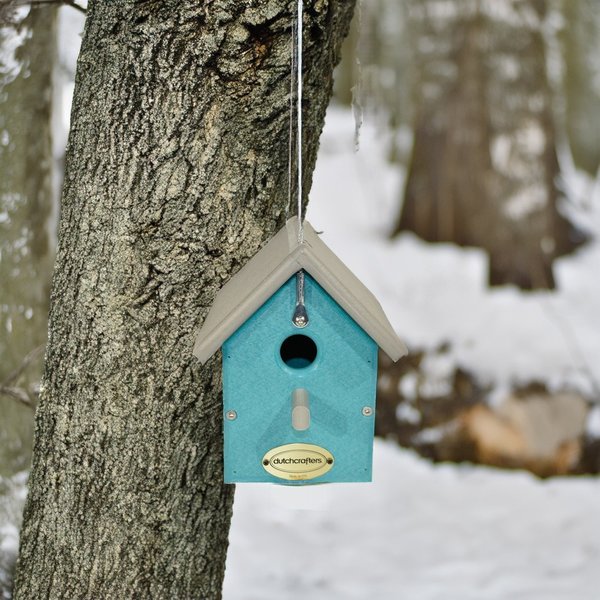
Credit: www.dutchcrafters.com
Common Spacing Mistakes To Avoid
Spacing wren houses incorrectly can lead to fewer visitors and wasted effort. Many people place them too close or too far apart, which confuses wrens or causes competition for territory. Avoid these common mistakes to create a welcoming environment that attracts wrens effectively.
Placing Wren Houses Too Close Together
Wrens are territorial birds and prefer some personal space. If you place their houses too close, they may fight or avoid the area altogether. Keep at least 10 to 15 feet between houses to give each pair room to defend their territory.
Imagine setting up two houses side by side. Chances are, only one will get used, while the other stays empty. Giving each house enough breathing room improves your chances of multiple nests.
Spacing Wren Houses Too Far Apart
Putting wren houses too far apart can leave good spots unused. Wrens like to stay near food and shelter, so if houses are scattered across a wide area, they might ignore some. Aim for moderate spacing so wrens can easily move between houses if needed.
Think about your yard’s layout. Are the houses within easy reach of each other and food sources? If not, you might want to adjust their positions.
Ignoring Sunlight And Wind Directions
Spacing isn’t just about distance; placement relative to sunlight and wind matters. Wrens prefer houses that face away from prevailing winds and get morning sun. Placing houses without considering these factors can make them less inviting.
Have you noticed your wren houses facing harsh afternoon sun or strong winds? Try repositioning them to improve comfort for your feathered guests.
Overcrowding In Small Spaces
Putting too many wren houses in a small area can backfire. Instead of attracting more wrens, it creates confusion and competition. Spread houses out to avoid overcrowding and let each bird claim a clear territory.
Think about how you feel in a crowded room—wrens feel the same. Give them space to feel safe and secure.

Credit: www.amazon.com
Frequently Asked Questions
How Far Apart Should Wren Houses Be Spaced?
Wren houses should be spaced about 10 to 15 feet apart. This distance reduces territorial conflicts and encourages multiple pairs to nest nearby.
Why Is Spacing Wren Houses Important?
Proper spacing prevents aggressive behavior among wrens. It helps each pair establish its territory and reduces competition for food and nesting spots.
Can Wren Houses Be Too Close Together?
Yes, placing wren houses too close causes fights and stress. Wrens prefer some distance to protect their nests and avoid disturbance.
What Affects The Spacing Of Wren Houses?
Factors like habitat size, available food, and local wren population affect spacing. Adjust distance to suit your garden or yard conditions.
Conclusion
Spacing wren houses correctly helps birds feel safe and comfortable. Keep at least 6 to 10 feet between each house. This distance reduces fights and lets wrens build their own nests. Place houses near shrubs or trees for shelter and food.
Watch your wrens enjoy their space and bring life to your yard. Small steps make a big difference in helping these birds thrive. Simple care can create a happy home for wrens close to you.