
Have you ever wondered why some birds settle in certain places while others choose completely different spots? The secret behind how birds choose habitats is more fascinating than you might think.
Understanding this can change the way you see the world around you. You’ll discover the surprising factors that guide birds to their perfect homes. Keep reading, and you’ll learn how these choices affect not only the birds but also the environment you live in.
Ready to uncover the mystery? Let’s dive in!
Habitat Types Birds Prefer
Birds select their habitats based on specific needs like food, shelter, and safety. Different types of environments offer unique benefits that attract various species. Understanding these habitat types can help you spot more birds and even create a bird-friendly space around you.
Forest And Woodland Choices
Forests provide birds with plenty of trees for nesting and cover from predators. Many songbirds prefer woodlands because of the abundant insects and seeds found there. The variety in tree height and density influences which birds will settle in a particular forest.
When I walked through a local woodland, I noticed woodpeckers and warblers active around old, tall trees. This shows how mature forests with deadwood are vital for certain species. Have you ever seen a bird disappear into thick branches? It’s likely finding shelter or food.
Wetlands And Water Sources
Wetlands, lakes, and rivers attract birds that rely on water for food and nesting. Ducks, herons, and kingfishers are common visitors because these habitats offer fish, amphibians, and insects. The presence of clean water often means a healthy ecosystem that supports diverse bird life.
If you have a pond or a small wetland nearby, watch for birds early in the morning. You might catch a glimpse of a heron standing still, waiting to catch its prey. How often do you check your local water spots for bird activity?
Urban And Suburban Areas
Surprisingly, many birds adapt well to urban and suburban areas. These environments provide food sources like bird feeders, gardens, and trash, along with nesting spots in buildings and trees. Species like pigeons, sparrows, and crows thrive in cities.
When I placed a bird feeder on my balcony, I attracted a variety of birds I hadn’t seen before, including colorful finches. This experience taught me that even small green spaces in cities matter. What steps can you take to make your neighborhood more inviting for birds?

Credit: askabiologist.asu.edu
Key Factors In Habitat Selection
Birds don’t randomly settle anywhere. Their choice of habitat depends on several critical factors that meet their survival needs. Understanding these factors helps you appreciate why certain birds appear in some places and not others.
Food Availability
Food is the primary reason birds choose one habitat over another. Different species have different diets—some need seeds, others prefer insects or fish. If a habitat lacks the right food, birds won’t stay long.
Think about a time you watched sparrows gathering around a berry bush. Those berries provide a reliable food source, making that spot attractive. If the berries disappeared, would the sparrows remain or move on?
Shelter And Nesting Sites
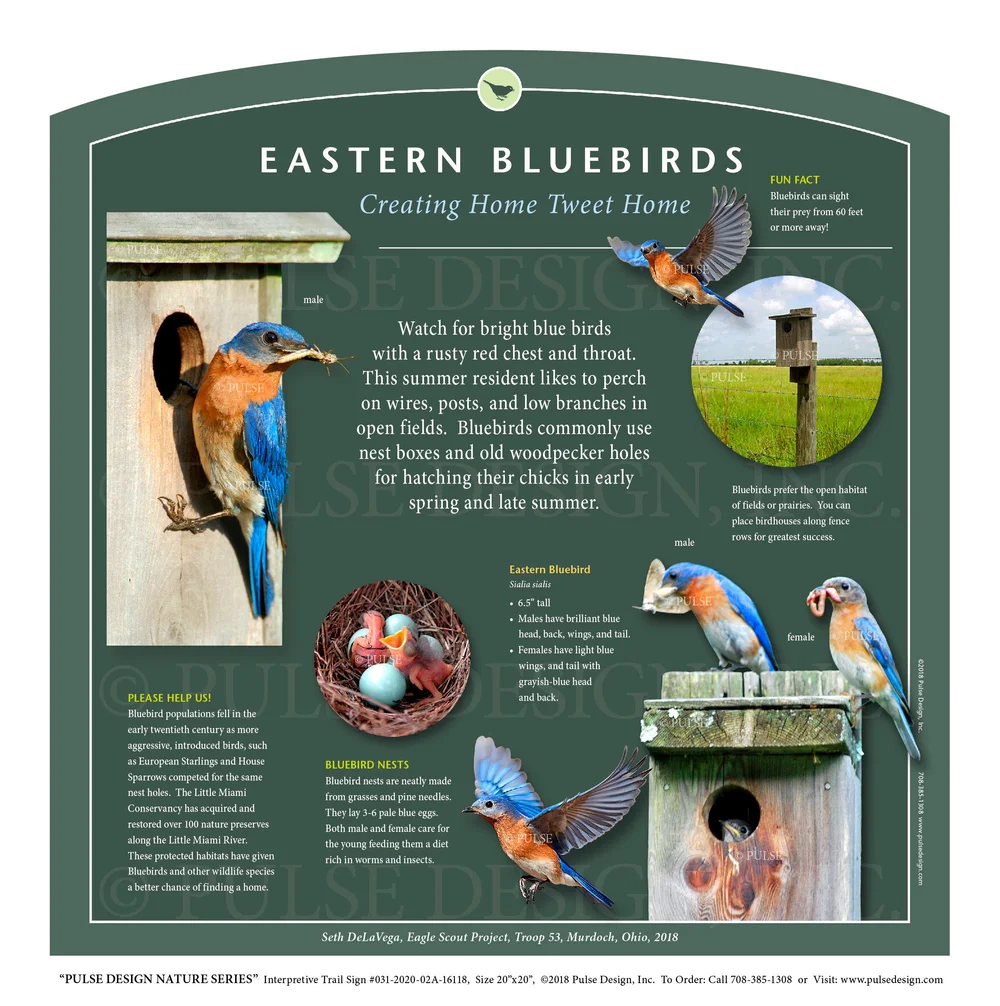
Birds need safe places to rest and raise their young. Trees, shrubs, and even man-made structures provide shelter from weather and predators. Without suitable nesting sites, birds struggle to reproduce successfully.
You might notice that woodpeckers prefer old trees with cavities, while robins often build nests in dense bushes. Providing the right shelter can encourage birds to settle in your garden or local park.
Predator Avoidance
Safety is a big concern for birds when picking a home. They avoid areas where predators like cats, hawks, or snakes roam freely. Open spaces with good visibility help birds spot danger early.
Have you ever seen birds suddenly take flight at the slightest hint of movement? This alertness shows how important predator avoidance is. If a habitat feels unsafe, birds will find a better place to live.
Seasonal Habitat Shifts
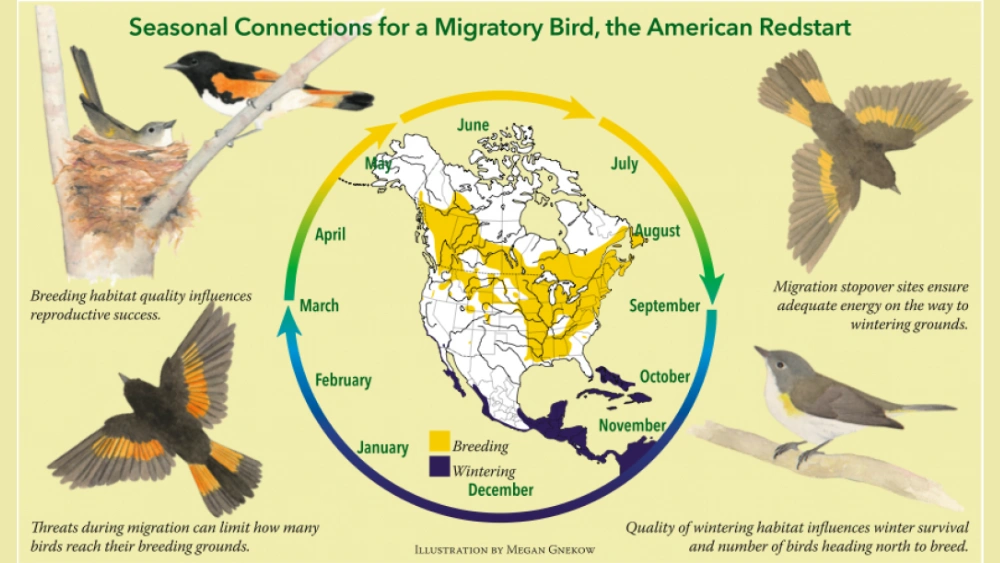
Birds adjust their living spaces as seasons change. This behavior, known as seasonal habitat shifts, helps them survive and thrive. Different seasons bring changes in temperature, food availability, and shelter. Birds respond by moving to habitats that meet their current needs. These shifts show their remarkable adaptability and influence where we can spot them throughout the year.
Migration Patterns
Many birds travel long distances to find better habitats. Migration happens mainly to avoid harsh winter conditions. Birds move from cold areas to warmer ones. They follow routes with reliable food and safe resting spots. Some species fly thousands of miles each year. These journeys are timed with changes in daylight and weather. Migration allows birds to access resources that are scarce in their breeding areas during winter.
Breeding Vs. Non-breeding Habitats
Birds choose different habitats for breeding and non-breeding seasons. Breeding habitats offer safe nesting sites and plenty of food for chicks. These areas often have dense vegetation or isolated spots. Non-breeding habitats focus on shelter and food availability rather than nesting. Birds might gather in flocks during this time. This helps reduce risks from predators and harsh weather. Understanding these habitat differences helps protect bird populations year-round.
Credit: www.pulsedesign.com
Impact Of Environmental Changes
Environmental changes shape where birds decide to live. Their habitats must meet needs like food, shelter, and breeding spots. When conditions shift, birds must adapt or move. These changes can be slow or sudden, affecting many species.
Climate Change Effects
Rising temperatures change food availability and water sources. Migration timings shift as seasons become less predictable. Some birds move to cooler areas, leaving old habitats empty. Others struggle to survive as their food sources decline.
Climate change also affects breeding success. Warmer weather can cause earlier or delayed nesting. This mismatch can reduce chick survival rates. Birds must adjust quickly or face population declines.
Human Activity And Habitat Loss
Urban growth and farming destroy natural bird habitats. Trees fall, wetlands drain, and grasslands disappear. Birds lose places to feed and nest. Noise and pollution disturb their daily lives.
Some species adapt to cities, but many cannot. Fragmented habitats isolate populations, making it hard to find mates. Human activity often reduces biodiversity and weakens ecosystems. Protecting habitats helps birds survive in a changing world.

Credit: lawnlove.com
Frequently Asked Questions
How Do Birds Select Their Preferred Habitat?
Birds choose habitats based on food availability, shelter, and nesting sites. They prefer areas that offer safety from predators and suitable climate conditions. Habitat quality directly impacts their survival and reproduction success, guiding their selection to ensure optimal living conditions.
What Factors Influence Birds’ Habitat Choices?
Key factors include food sources, water availability, vegetation type, and predator presence. Birds also consider climate, competition, and human disturbances. These elements collectively determine habitat suitability, affecting where birds decide to live and breed.
Do Migratory Birds Choose Different Habitats Seasonally?
Yes, migratory birds select habitats based on seasonal resources and climate. They move to breeding grounds with abundant food in spring and summer. In winter, they seek warmer areas offering shelter and food to survive harsh conditions.
How Does Habitat Loss Affect Bird Populations?
Habitat loss reduces available nesting and feeding areas, leading to population decline. It disrupts migration patterns and increases vulnerability to predators. Conservation of habitats is crucial to maintain bird diversity and ecological balance.
Conclusion
Birds have fascinating ways to choose their habitats. They look for safety and food. Water is also crucial for them. Shelter helps them stay protected. Different birds need different environments. Some like forests, others prefer open fields. Weather and climate play a big role.
Birds adapt to changes for survival. Understanding these choices helps protect them. We can learn a lot from their patterns. Observing birds enriches our knowledge of nature. Each bird is unique in its needs. Their habitat choices teach us about nature’s balance.