
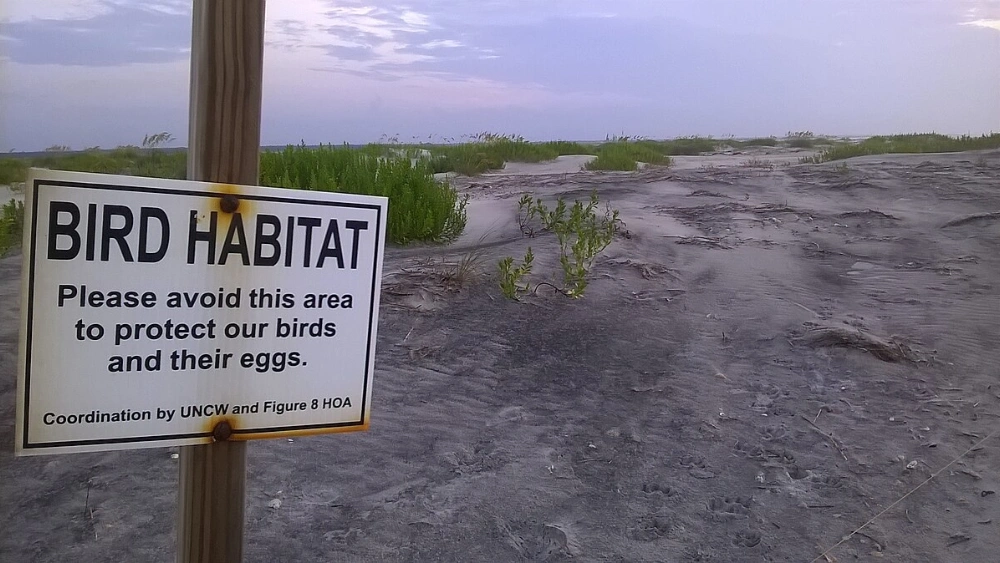
Imagine waking up to a world without the melodic chirping of birds. A world where the skies are silent and the trees are empty.
It’s a reality that could happen if we don’t take action to protect bird habitats. As someone who cares about the environment, you have the power to make a difference. You might be wondering, “What can I do to help preserve these vital ecosystems?
” The answer is simpler than you think. By learning how to protect bird habitats, you can play a crucial role in ensuring that these beautiful creatures continue to thrive. Ready to discover practical steps you can take? Let’s dive in and explore how you can make a lasting impact on our feathered friends and the natural world they call home.

Credit: news.asu.edu
Threats To Bird Habitats
Bird habitats face numerous threats that slowly chip away at their ability to support diverse bird populations. Understanding these threats can help you take meaningful steps to protect these vital environments. Let’s examine the key dangers birds encounter in their homes today.
Habitat Loss And Fragmentation
When forests are cleared for farming or urban development, birds lose their nesting and feeding areas. This not only reduces the total space available but also breaks habitats into smaller, isolated patches. Birds may struggle to find mates or safe routes between these patches, leading to population declines.
Have you noticed fewer birds in your neighborhood as trees disappear? Even small changes in land use can have a big impact on local bird life.
Pollution And Its Effects
Pollution contaminates water, soil, and air, harming birds directly and indirectly. Chemicals from pesticides or industrial waste can poison birds or reduce the insects and plants they rely on for food. Plastic waste can entangle birds or be mistaken for food, causing injury or death.
Think about the last time you saw trash near a bird’s habitat. What small actions can you take to reduce pollution around your home?
Climate Change Impact
Rising temperatures and shifting weather patterns alter bird habitats faster than they can adapt. Some species may find their food sources disappearing or breeding grounds becoming unsuitable. Unpredictable migration timings can lead to missed opportunities for feeding and nesting.
Have you observed changes in bird behavior or migration in recent years? Your awareness can drive local efforts to create climate-resilient habitats.
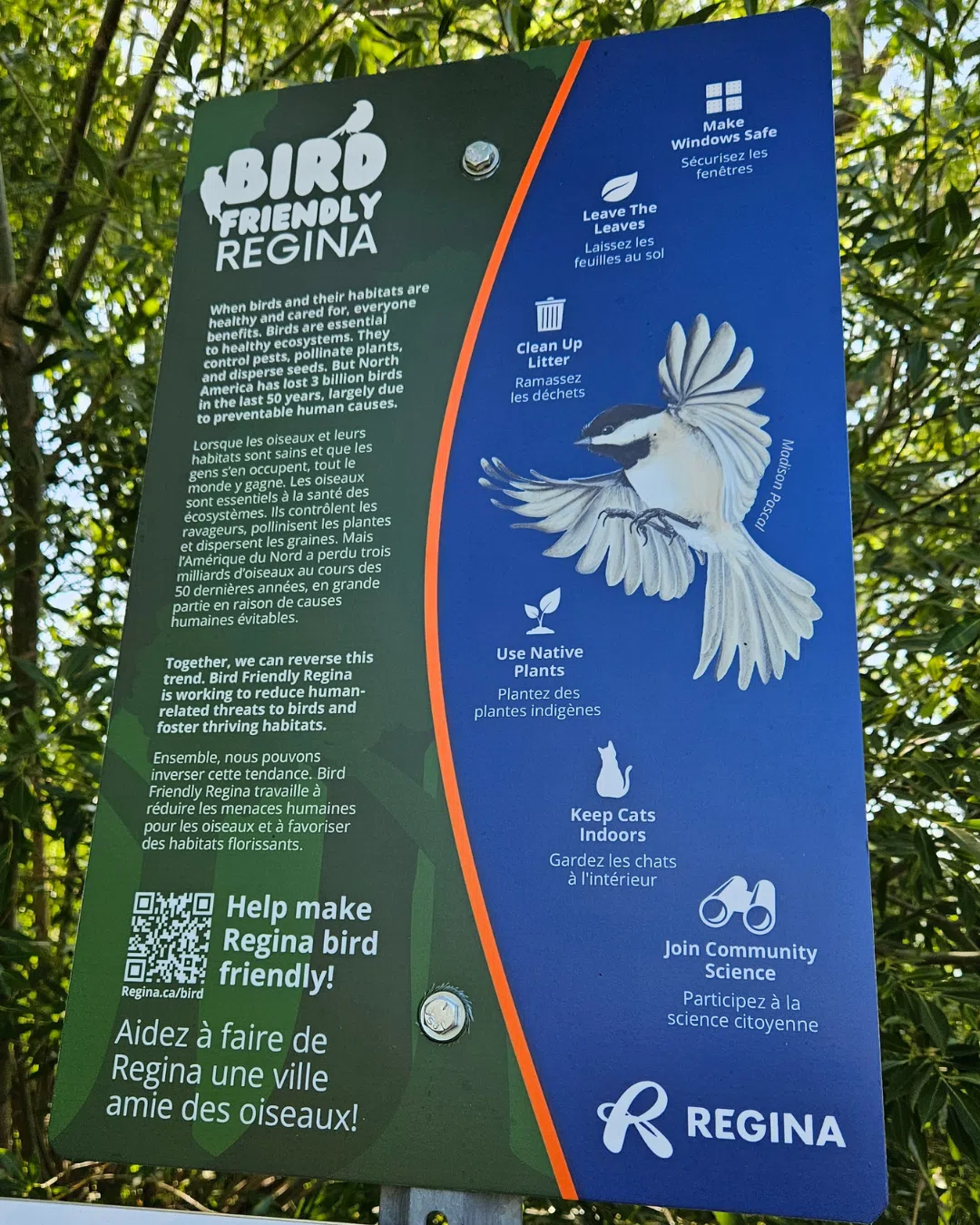
Credit: www.ckom.com
Habitat Restoration Techniques
Restoring bird habitats demands thoughtful action and specific techniques that bring damaged ecosystems back to life. These methods focus on renewing natural areas so birds can thrive again. Understanding and applying habitat restoration techniques can make a real difference in your local environment.
Reforestation And Native Planting
Planting native trees and shrubs helps rebuild the natural homes birds rely on. Native plants provide the right food and shelter that local bird species need throughout the year. When I planted native oaks and dogwoods in my backyard, I noticed a quick return of songbirds that hadn’t visited in years.
Choose plants that grow naturally in your area. Avoid fast-growing but invasive species that can harm the ecosystem. Think about layering plants—tall trees, mid-sized shrubs, and ground cover—to create diverse habitats.
Wetland Rehabilitation
Wetlands act as nurseries and feeding grounds for many bird species. Restoring wetlands means fixing water flow, removing pollutants, and planting water-loving plants. I once volunteered in a wetland project where cleaning debris and adding native cattails attracted herons and ducks within months.
Look for signs of water stagnation or erosion and work to balance water levels. Even small ponds or marshes in your community can become vital bird habitats if cared for properly.
Creating Bird-friendly Gardens
Your garden can become a safe haven for birds by including features that meet their basic needs. Plant berry-producing bushes, leave dead wood for nesting, and provide fresh water sources. I added a small birdbath and native flowers, and suddenly my garden buzzed with bird activity every morning.
Keep pesticides away and avoid clearing all leaf litter—it’s essential for insects that birds eat. Ask yourself: What can I do in my space to invite more birds and keep them safe?
Community Involvement
Getting involved in your local community can make a huge difference in protecting birds’ habitats. When people come together, their combined efforts create stronger and lasting impacts. You might be surprised how small actions by neighbors, schools, and local groups can help preserve the places birds call home.
Local Conservation Groups
Local conservation groups often lead habitat protection projects in your area. They organize cleanups, plant native trees, and restore wetlands. Joining one gives you hands-on experience and connects you with passionate people who care about birds.
Have you ever participated in a community cleanup or tree planting? These simple acts improve bird habitats and create green spaces for everyone to enjoy.
Citizen Science Projects
Citizen science projects invite you to collect data about birds and their environments. Apps and websites make it easy to report sightings and monitor bird populations. This information helps scientists understand habitat changes and threats.
By contributing your observations, you become part of a larger effort to protect bird species. What if your next birdwatching trip could directly support conservation research?
Educational Outreach
Sharing knowledge about bird habitats encourages others to take action. Schools, libraries, and community centers often host workshops and talks on this topic. You can volunteer to lead a session or simply spread the word among friends and family.
When people learn why habitats matter, they’re more likely to protect them. How could you inspire your community to care for local birds?
Policy And Legal Measures
Protecting bird habitats goes beyond personal actions; it requires strong policy and legal frameworks. These measures create a foundation that safeguards environments where birds live, breed, and feed. Understanding how laws and planning work can help you support meaningful conservation efforts.
Protected Areas And Reserves
Designating protected areas is one of the most effective ways to preserve bird habitats. These zones limit human activities like logging, mining, and construction, which often destroy natural environments. You might find it surprising that even small reserves can serve as crucial refuges for endangered bird species.
Think about your local parks or nature reserves—do they have rules that protect wildlife? Supporting the expansion and proper management of these areas can make a big difference. When protected areas connect through wildlife corridors, birds can migrate safely and maintain healthy populations.
Wildlife Protection Laws
Strong laws against hunting, trading, or disturbing birds are essential to keep populations safe. Many countries have regulations that ban capturing or killing protected bird species, but enforcement varies widely. You can help by reporting illegal activities or supporting organizations that monitor wildlife crimes.
Have you ever wondered how a bird you see in your backyard is shielded by law? These laws often include penalties that discourage harmful behavior and promote awareness. They also encourage landowners and industries to adopt bird-friendly practices.
Sustainable Land Use Planning
Land use planning shapes how landscapes develop and can either protect or threaten bird habitats. Sustainable planning balances human needs with nature by avoiding habitat fragmentation and preserving green spaces. Imagine if every new building project considered its impact on local birds—you’d see healthier ecosystems and more bird diversity.
You can engage with local planning meetings or advocate for policies that prioritize habitat conservation. Simple steps like maintaining wetlands and planting native trees in urban areas contribute to sustainable land use. What changes can you encourage in your community to keep bird habitats intact?
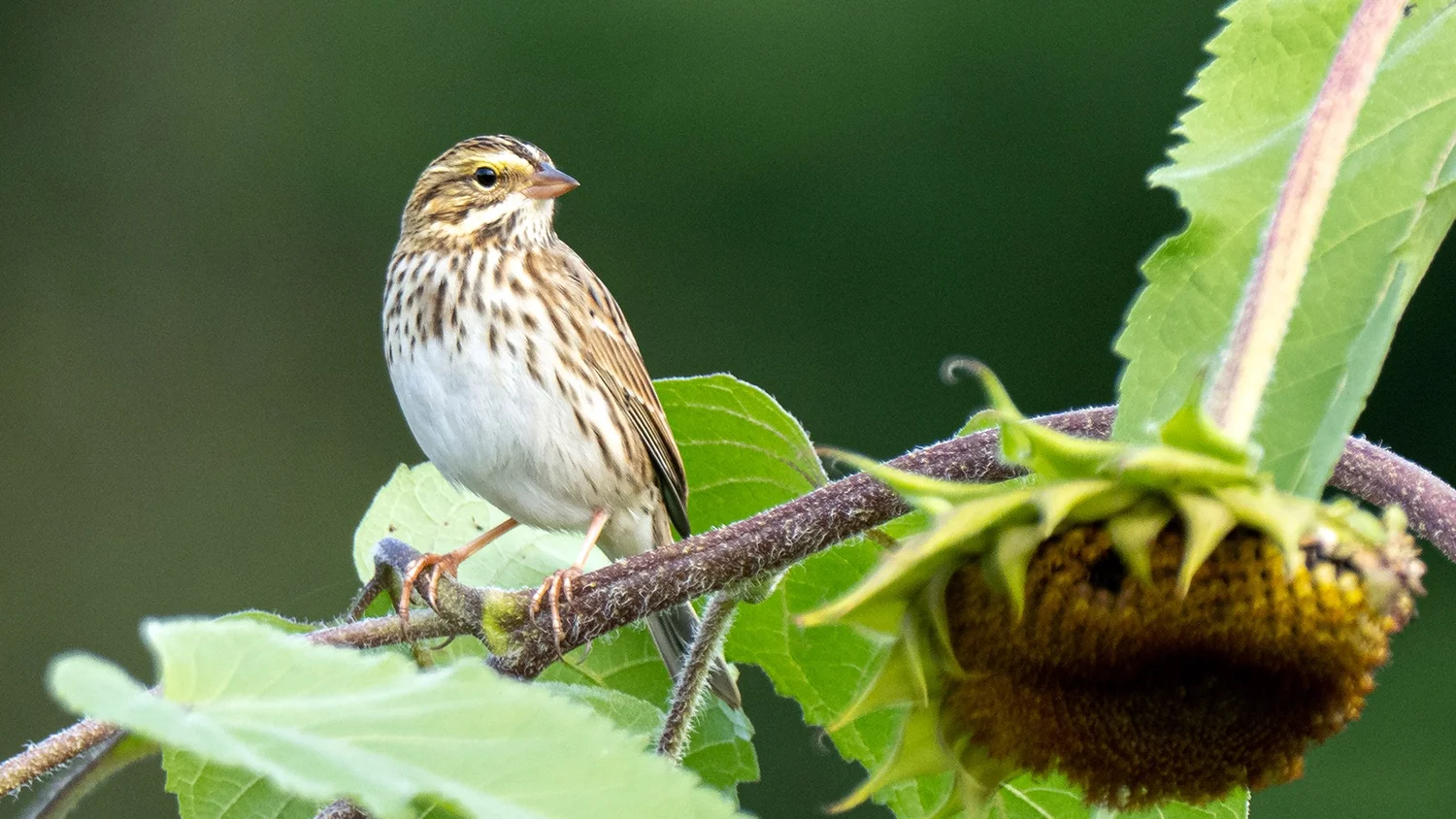
Credit: www.eastsideaudubon.org
Frequently Asked Questions
What Are Effective Ways To Protect Bird Habitats?
Protect bird habitats by preserving natural areas and planting native vegetation. Avoid pollution and reduce pesticide use. Support local conservation projects and create bird-friendly spaces in your community.
Why Is Protecting Bird Habitats Important?
Bird habitats provide food, shelter, and breeding sites. Protecting these areas ensures bird survival and biodiversity. Healthy habitats also support ecosystems and benefit humans with cleaner air and water.
How Can Individuals Help Conserve Bird Habitats?
Individuals can plant native trees and shrubs, avoid using harmful chemicals, and support conservation groups. Creating bird feeders and nesting boxes also helps birds thrive in urban and rural areas.
What Human Activities Threaten Bird Habitats Most?
Deforestation, urban development, pollution, and agriculture harm bird habitats. These activities destroy nesting sites and reduce food availability. Reducing these impacts helps maintain healthy bird populations.
Conclusion
Protecting bird habitats helps keep nature healthy and alive. Small actions, like planting trees or avoiding pollution, make a big difference. Everyone can help by respecting wildlife and their homes. Saving bird habitats means saving many other animals too. Let’s work together to keep the skies full of birds.
Every effort counts, no matter how small. Birds depend on us to protect their world. Keep their homes safe for future generations to enjoy.